
Contents
Overview
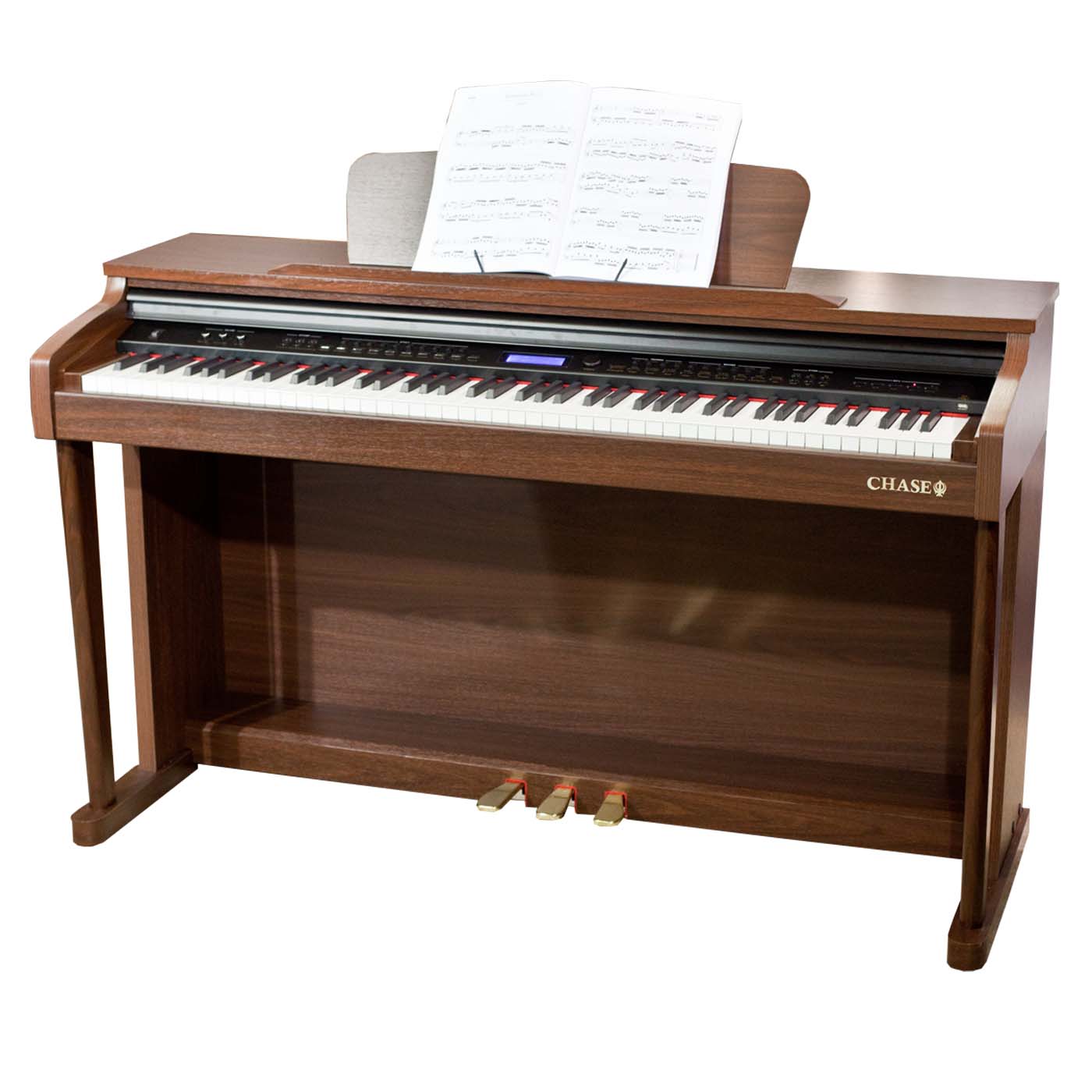
The distinction between a keyboard and a digital piano is a perennial point of contention for aspiring musicians, often conflating instrument types with price points and intended use. A keyboard, in its broadest sense, is any instrument with keys, but in common parlance, it refers to a portable, often unweighted or semi-weighted instrument designed for a wide range of sounds and musical exploration, typically featuring dozens to hundreds of tones beyond piano. Digital pianos, conversely, are purpose-built to emulate the tactile feel and sonic fidelity of an acoustic piano, boasting weighted keys and sophisticated sound engines that prioritize piano authenticity. While keyboards offer versatility and affordability, digital pianos deliver a more authentic piano experience for practice, performance, and even recording, bridging the gap between electronic convenience and traditional acoustic artistry. The choice hinges on a player's goals: a beginner seeking broad musical exploration might lean towards a keyboard, while a serious piano student or performer will likely gravitate towards a digital piano.
🎵 Origins & History
The lineage of instruments with keys stretches back centuries, with precursors like the harpsichord and clavichord laying the groundwork for keyboard-based music. Early electronic instruments like the Theremin and Ondes Martenot explored new sonic territories. Companies like Yamaha and Roland were instrumental in popularizing portable electronic keyboards, initially as affordable alternatives and later as versatile sound-creation tools. Manufacturers like Yamaha (with its Clavinova line) and Kawai sought to replicate the nuanced touch and sound of an acoustic piano using digital technology, aiming to capture the essence of a grand piano in a more manageable and maintenance-free package.
⚙️ How It Works
At its core, a keyboard is an electronic musical instrument characterized by a set of keys that, when pressed, trigger a sound. Unlike acoustic pianos, keyboards generate sound electronically, often through sampling (playing back pre-recorded sounds of instruments) or synthesis (creating sounds from scratch using oscillators and filters). The keys themselves can range from unweighted (like a computer keyboard) to semi-weighted or fully weighted, depending on the model's sophistication and price. Digital pianos, a subset of electronic keyboards, are specifically engineered to mimic the acoustic piano experience. They feature hammer-action, weighted keys that replicate the resistance and response of an acoustic piano's hammers striking strings. Their sound engines utilize high-quality samples of acoustic pianos, often multi-layered and processed to capture dynamic range and tonal nuances, played through internal speakers or external amplification systems. The goal is to provide a realistic piano playing feel and sound without the size, weight, and tuning requirements of an acoustic instrument.
📊 Key Facts & Numbers
An acoustic piano can last for decades with proper maintenance.
👥 Key People & Organizations
Key figures in the development of electronic keyboards and digital pianos include Yamaha's engineers who pioneered the Clavinova line, setting a benchmark for digital piano realism. Roland Corporation has been a consistent innovator, introducing groundbreaking technologies in synthesis and digital piano design, including their HP Series and FP Series. Kawai Musical Instruments is another significant player, renowned for its advanced RM3 Grand and Grand Feel keyboard actions, which aim to replicate the precise touch of their acoustic grand pianos. Korg also plays a vital role, particularly in the synthesizer and workstation keyboard market, offering a wide range of instruments for various musical needs. On the retail and distribution side, companies like Sweetwater Sound and Guitar Center are major conduits for these instruments, influencing consumer access and market trends.
🌍 Cultural Impact & Influence
The proliferation of keyboards and digital pianos has democratized music-making, making it more accessible to a broader population than ever before. Keyboards, with their vast array of sounds and portability, have become staples in pop, rock, and electronic music genres, enabling artists to experiment with diverse sonic palettes. Think of the iconic synth sounds in Kraftwerk's music or the layered textures in Pink Floyd's later works. Digital pianos, on the other hand, have empowered countless piano students and hobbyists to practice diligently without disturbing neighbors or requiring costly tuning, effectively expanding the reach of classical and jazz piano education. The ability to record directly via USB MIDI has also integrated these instruments deeply into modern music production workflows, allowing bedroom producers to create sophisticated arrangements. This shift has subtly altered the cultural perception of piano practice, moving it from a sometimes-intimidating acoustic ritual to a more adaptable, technologically integrated pursuit.
⚡ Current State & Latest Developments
The current market is characterized by intense competition and rapid technological advancement. Manufacturers are pushing the boundaries of realism, with digital pianos now offering sophisticated virtual modeling of acoustic piano mechanics, advanced convolution reverb for realistic room acoustics, and even haptic feedback systems to better simulate string resonance. Portable keyboards continue to evolve with intuitive touchscreens, cloud connectivity for sound updates, and integrated DAW-like features. Brands like Yamaha are integrating AI-powered practice tools into their instruments, offering real-time feedback on performance. The rise of virtual instrument software (VSTs) also presents a dynamic challenge, as many producers now opt for software emulations of pianos and keyboards, accessible via MIDI controllers, blurring the lines further. Companies like Native Instruments and Spectrasonics are major players in this software domain.
🤔 Controversies & Debates
The most persistent debate revolves around whether a digital piano can truly 'replace' an acoustic piano. Skeptics argue that no digital instrument can fully replicate the complex, organic response of real strings, hammers, and soundboards, particularly the subtle variations in touch and tone that experienced pianists rely on. They point to the 'feel' of the key action and the 'richness' of the acoustic sound as areas where digital technology, despite its advancements, still falls short. Conversely, proponents highlight the practical advantages: cost, portability, maintenance-free operation, and the ability to practice silently with headphones. They argue that for many players, especially beginners and intermediate students, a high-quality digital piano offers a superior overall value and a more consistent practice experience. The debate is further complicated by the varying quality of instruments; a cheap keyboard is a world away from a flagship digital piano, and a poorly maintained acoustic piano can sound worse than a decent digital instrument.
🔮 Future Outlook & Predictions
The future likely holds even greater integration of artificial intelligence and advanced modeling techniques. We can anticipate digital pianos that offer hyper-realistic sound and touch, potentially adapting their response in real-time to a player's individual style and even simulating the wear and tear of a well-loved acoustic instrument. Machine learning could be used to generate novel piano sounds or assist in composition. The line between hardware and software will continue to b
Key Facts
- Category
- aesthetics
- Type
- topic