
Contents
Overview
The understanding of kidney failure has evolved dramatically since ancient physicians first described symptoms of fluid retention and uremic frost. Early medical texts, dating back to ancient Egypt and Greece, noted swelling and lethargy, attributing them to imbalances in humors. The formal recognition of the kidney's role in filtering waste emerged with advancements in anatomy and physiology during the Renaissance and Enlightenment. By the 19th century, physicians like Richard Bright began systematically linking specific kidney pathologies to clinical symptoms, laying the groundwork for understanding conditions like Bright's disease, an early term for kidney inflammation. The 20th century witnessed the true revolution with the development of hemodialysis by Willem Johan Kolff and the subsequent advent of kidney transplantation, transforming kidney failure from a death sentence into a manageable chronic condition for millions worldwide.
⚙️ How It Works
The kidneys function as sophisticated biological filters. They produce erythropoietin to stimulate red blood cell production and activate Vitamin D for bone health. When kidney failure occurs, these intricate processes falter. In acute kidney injury (AKI), a sudden insult—such as severe dehydration, sepsis, or exposure to nephrotoxic drugs like acetaminophen or NSAIDs—overwhelms the kidneys' capacity, leading to a rapid buildup of toxins and fluid. Chronic kidney disease (CKD) involves a gradual, progressive loss of function, typically over months or years, most commonly driven by underlying conditions like diabetes mellitus and hypertension, which damage the delicate glomeruli and tubules over time.
📊 Key Facts & Numbers
Globally, chronic kidney disease (CKD) affects an estimated 10% of the population, totaling over 850 million people, according to the World Health Organization. In the United States alone, over 37 million adults have CKD, and approximately 800,000 live with end-stage renal disease (ESRD), requiring dialysis or a transplant. The economic burden is staggering, with Medicare spending over $130 billion annually on kidney disease care, a significant portion of which is for ESRD patients, who represent less than 1% of Medicare beneficiaries. Each dialysis treatment can cost upwards of $1,000, and a kidney transplant, while life-saving, can range from $100,000 to $150,000 for the initial surgery. The prevalence of diabetes, a leading cause of kidney failure, affects over 38 million Americans, with nearly 1 in 3 adults with diabetes also having CKD.
👥 Key People & Organizations
Key figures in understanding and treating kidney failure include René Laennec, who first described kidney pathology in the early 19th century, and Charles-Édouard Brown-Séquard, who performed early experiments on kidney function. The development of hemodialysis is largely credited to Willem Johan Kolff, who built the first artificial kidney in 1943. Joseph Murray and Thomas Starzl pioneered kidney transplantation, with Murray receiving the Nobel Prize in 1990 for his work. Organizations like the National Kidney Foundation and the Kidney Disease: Improving Global Outcomes (KDIGO) working group are instrumental in setting clinical guidelines and raising awareness. Pharmaceutical giants like Novartis and AstraZeneca are major players in developing new treatments for underlying causes like diabetes and hypertension.
🌍 Cultural Impact & Influence
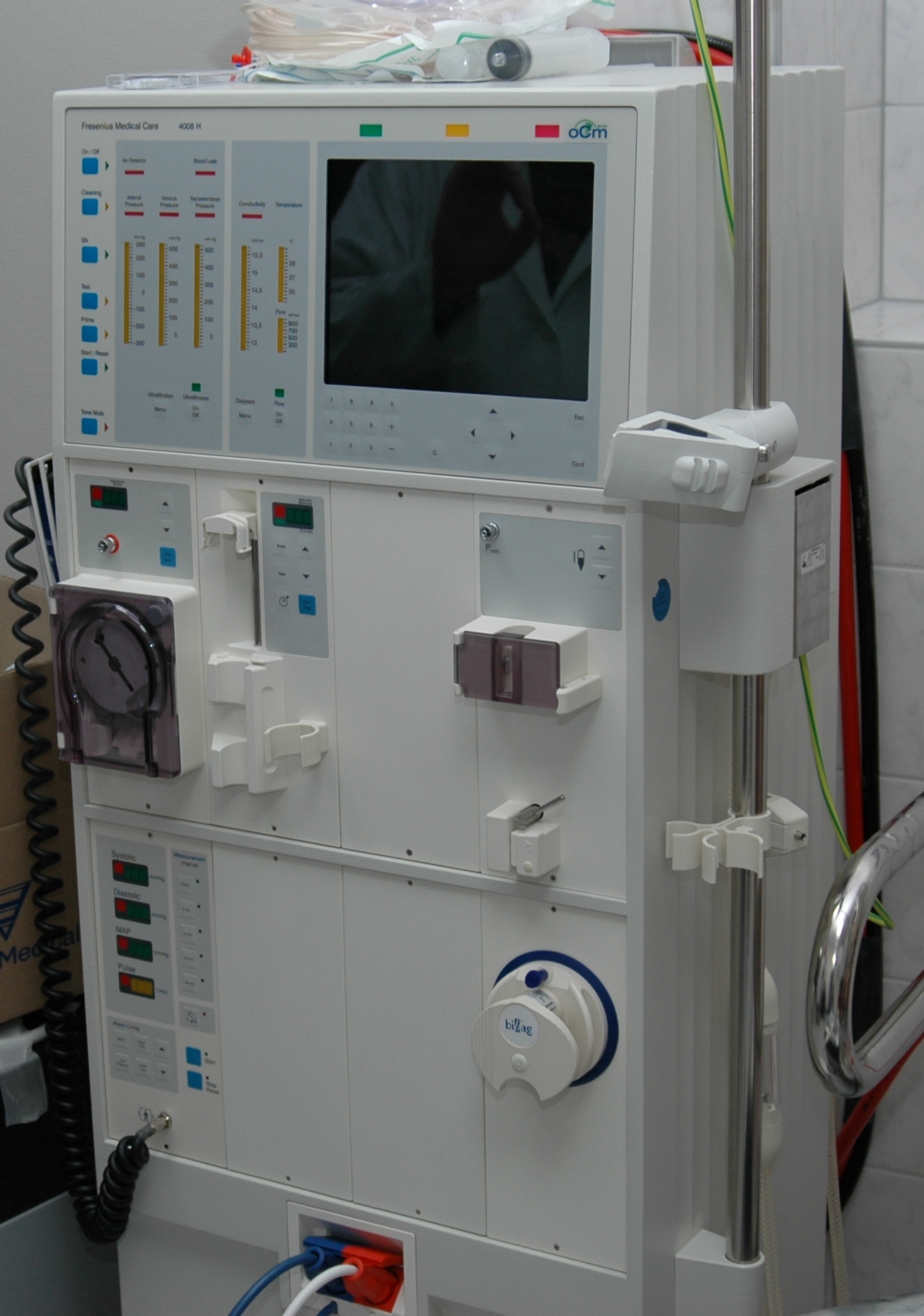
Kidney failure has profoundly shaped medical discourse and public health awareness, transforming it from a mysterious ailment into a recognized chronic disease category. The advent of dialysis and transplantation has not only saved millions of lives but also spurred advancements in immunology, surgical techniques, and life support technologies. Culturally, the narrative of kidney failure often centers on resilience and the fight for survival, as seen in numerous personal accounts and documentaries. The visual iconography of dialysis machines in hospitals and clinics has become a stark symbol of advanced medical intervention. Furthermore, the disproportionate impact of CKD on certain demographics, particularly African Americans and Hispanic Americans, has highlighted systemic health disparities and fueled advocacy for equitable healthcare access, as championed by organizations like the Black Health Alliance.
⚡ Current State & Latest Developments
The current landscape of kidney failure management is marked by significant advancements and ongoing challenges. In 2023, the U.S. Food and Drug Administration (FDA) approved verapamil (brand name Kerendia) for reducing the risk of kidney disease progression in adults with chronic kidney disease associated with type 2 diabetes, representing a new therapeutic avenue beyond blood pressure control. Research into regenerative medicine and stem cell therapies is progressing, aiming to repair damaged kidney tissue rather than solely relying on replacement. Telehealth and remote patient monitoring are increasingly utilized to manage CKD patients, especially those in rural areas. However, access to dialysis and transplantation remains a critical issue, with significant disparities in wait times and outcomes based on race, socioeconomic status, and geographic location. The development of more effective drug discovery platforms for novel nephroprotective agents is also a major focus for pharmaceutical companies like GSK.
🤔 Controversies & Debates
The management of kidney failure is fraught with ethical and practical debates. A central controversy revolves around the allocation of scarce kidney transplant organs; current allocation systems, like the United Network for Organ Sharing (UNOS) model, are constantly scrutinized for fairness and efficacy, with ongoing discussions about prioritizing patients based on factors beyond just time on the waiting list. The cost-effectiveness and long-term sustainability of dialysis treatments, particularly for-profit dialysis chains like DaVita and Fresenius Medical Care, are frequently debated, with critics questioning profit motives versus patient outcomes. Furthermore, the role of lifestyle interventions versus aggressive medical treatment for conditions like diabetes and hypertension, which drive CKD, remains a point of contention among healthcare providers and patients, highlighting the tension between personal responsibility and systemic healthcare support.
🔮 Future Outlook & Predictions
The future of kidney failure treatment is poised for transformative breakthroughs. Bio-artificial kidneys and organ-on-a-chip technologies, integrating engineered kidney tissues with microfluidic systems, hold promise for more personalized and potentially implantable filtration devices, moving beyond current hemodialysis machines. Advances in CRISPR-Cas9 gene editing could offer novel ways to correct genetic predispositions to kidney diseases like polycystic kidney disease. Researchers are also exploring nanotechnology for targeted drug delivery to damaged kidney cells and developing more sophisticated biomarkers for earlier detection of CKD, potentially before significant damage occurs. The ultimate goal remains the development of therapies that can regenerate or fully restore kidney function, rendering dialysis and transplantation obsolete for many.
Key Facts
- Category
- science
- Type
- topic