
Contents
Overview
The genesis of Kolkata traces back to the early 17th century with the amalgamation of three villages: Sutanuti, Gobindapur, and Kalikata. The East India Company began developing the area, culminating in the construction of Fort William by Job Charnock. This marked the formal establishment of Calcutta as a significant British settlement. The city rapidly grew in importance, becoming the capital of British India, a status it held until the capital was shifted to Delhi. This period saw the establishment of key institutions like the Supreme Court and the Asiatic Society, laying the groundwork for its future as an intellectual and administrative powerhouse.
⚙️ How It Works
Kolkata's urban fabric is a complex organism, functioning through a multi-layered administrative structure. The Kolkata Municipal Corporation (KMC), headed by the Mayor Firhad Hakim, oversees civic amenities, sanitation, and urban planning for the core city. Beyond the KMC, the Kolkata Metropolitan Development Authority (KMDA) coordinates development across the larger Kolkata Metropolitan Area (KMA), integrating surrounding municipalities and rural areas. The city's infrastructure relies on a vast network of roads, the Kolkata Metro rapid transit system, and the Eastern Railway and South Eastern Railway networks, connecting it to the rest of India. Its economic engine is driven by diverse sectors, including IT, manufacturing, and a robust informal economy.
📊 Key Facts & Numbers
Kolkata is a titan of Indian urban demographics. Its metropolitan area, the Kolkata Metropolitan Area (KMA), houses over 15 million people. The city sprawls across an area of 206.08 square kilometers, with a population density that often exceeds 24,000 people per square kilometer in certain zones. Financially, Kolkata contributes significantly to West Bengal's economy, with its Gross Domestic Product (GDP) estimated to be in the billions of US dollars, though precise, up-to-date figures are often subject to revision by bodies like the Reserve Bank of India.
👥 Key People & Organizations
The intellectual and cultural landscape of Kolkata has been shaped by luminaries across various fields. Rabindranath Tagore founded Visva-Bharati University and was a towering figure in Bengali literature and art. Satyajit Ray, a globally acclaimed filmmaker, brought Bengali cinema to international prominence with his Apu Trilogy. The Indian Statistical Institute, founded by P.C. Mahalanobis, has been a crucible for statistical research and development. Key organizations like the Kolkata Municipal Corporation and the Kolkata Police are central to its governance and administration, while institutions like the Indian Museum and the Victoria Memorial stand as testaments to its historical and artistic heritage.
🌍 Cultural Impact & Influence
Kolkata's cultural resonance is profound, earning it the moniker 'cultural capital of India.' It has been a cradle for intellectual movements, literary renaissance, and artistic innovation, profoundly influencing Indian arts and thought. The city is renowned for its Durga Puja celebrations, a spectacular festival that draws millions. Bengali literature, theatre, and cinema have flourished here, producing iconic figures like Sarat Chandra Chattopadhyay and Utpal Dutt. The city's unique blend of colonial architecture, exemplified by the Howrah Bridge and the Writers' Building, alongside its vibrant street art and intellectual salons, creates a distinct cultural milieu that has inspired countless artists and writers, including V.S. Naipaul and William Dalrymple.
⚡ Current State & Latest Developments
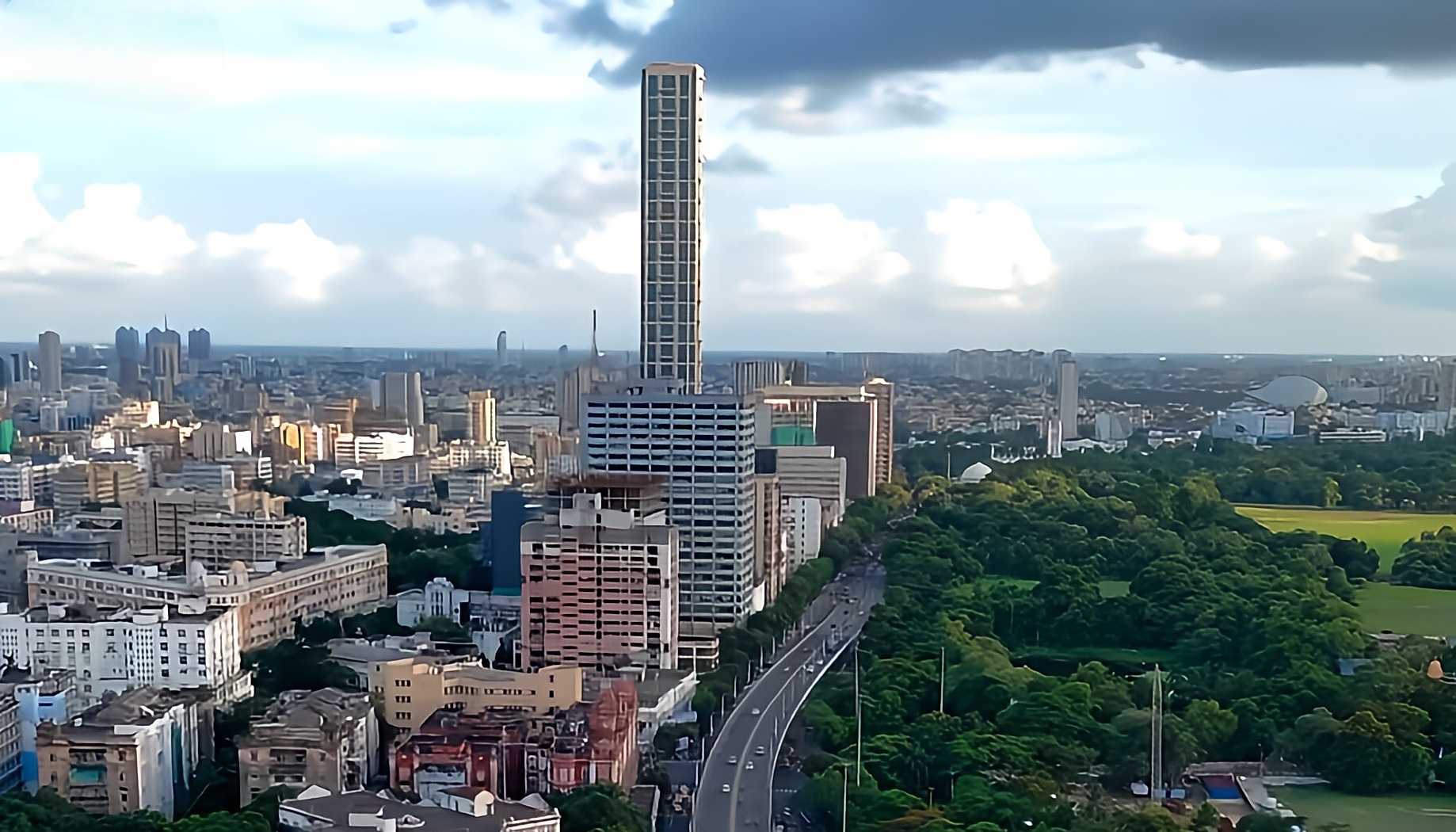
In contemporary times, Kolkata continues to evolve, balancing its rich heritage with modern aspirations. The city is a significant hub for the IT and IT-enabled services (ITeS) sector, with major IT parks like Salt Lake Sector-V attracting substantial investment. The Kolkata Metro expansion projects are underway, aiming to enhance connectivity and ease urban congestion. The city is also a focal point for political discourse and activism, reflecting its history as a center of intellectual dissent and social reform. Efforts are ongoing to preserve its heritage structures, such as the Marble Palace and various colonial-era buildings, while simultaneously promoting sustainable urban development and addressing environmental challenges like air quality and water management, as highlighted by initiatives from the West Bengal Pollution Control Board.
🤔 Controversies & Debates
Kolkata is no stranger to controversy, particularly concerning its urban development and historical preservation. Debates frequently arise over the demolition or redevelopment of heritage buildings, pitting the need for modernization against the imperative to conserve the city's unique architectural legacy, a tension often seen in discussions surrounding the Kolkata Port Trust lands. The city's economic disparities and the persistent challenges of poverty and informal labor also fuel ongoing social and political debates. Furthermore, the management of public services, from transportation to waste disposal, frequently comes under scrutiny from citizens and advocacy groups like Nagarik Manch, reflecting the complexities of governing such a vast and historically layered metropolis.
🔮 Future Outlook & Predictions
The future of Kolkata is poised at a fascinating intersection of tradition and technological advancement. Projections suggest continued growth in its IT and service sectors, potentially solidifying its position as a major economic engine for eastern India. The ongoing expansion of the Kolkata Metro and the development of new transportation corridors are expected to reshape urban mobility. There's a growing emphasis on smart city initiatives, aiming to integrate technology for better governance and citizen services, as envisioned by national programs like the Smart Cities Mission. Simultaneously, the city faces the critical challenge of adapting to climate change impacts, particularly concerning its low-lying geography and the Hooghly River's ecosystem, necessitating innovative solutions for resilience and sustainability.
💡 Practical Applications
Kolkata's influence extends beyond its cultural output, impacting various practical domains. Its legacy in education is evident in institutions like the University of Calcutta, which has produced numerous scholars and leaders. The city's contributions to statistical science, pioneered by the Indian Statistical Institute, have had far-reaching applications in fields ranging from economic planning to public health research. Furthermore, Kolkata's role as a major port and logistics hub continues to facilitate trade and commerce for eastern India. The city's vibrant street food culture, from the iconic kathi rolls to mishti doi, has also become a significant draw for tourism and a celebrated aspect of its culinary identity, influencing food trends across the country.
Key Facts
- Category
- culture
- Type
- topic