
Contents
Overview
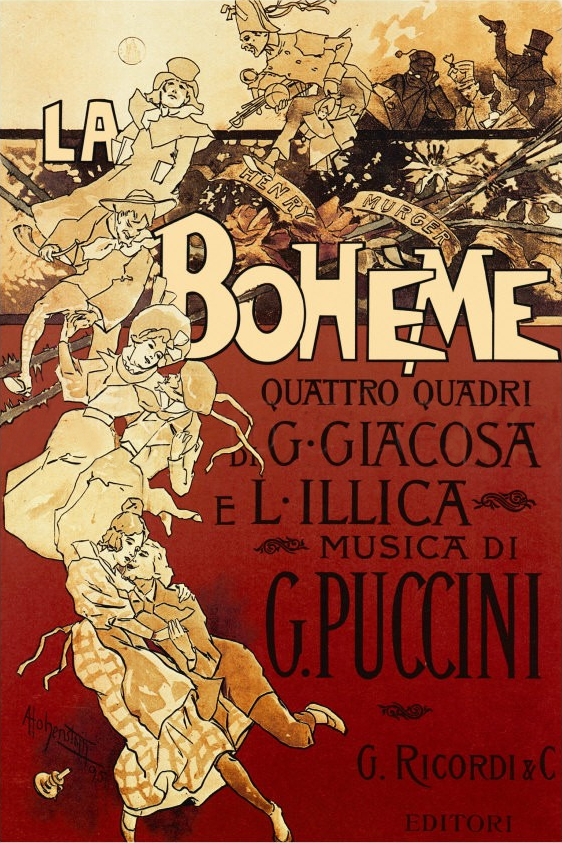
The genesis of Giacomo Puccini's La Bohème lies in Henri Murger's 1851 novel, Scènes de la vie de bohème, which itself drew from Murger's earlier serial publications and a play. Puccini, along with librettists Luigi Illica and Giuseppe Giacosa, sought to capture the essence of Parisian bohemian life, a period characterized by artistic fervor and precarious living conditions. While Murger's original work was episodic, Illica and Giacosa focused the narrative on the central love story between Rodolfo and Mimì, adding dramatic tension and emotional depth. Puccini began composing in earnest, meticulously crafting the score over two years. The opera's world premiere took place on February 1, 1896, at the Teatro Regio in Turin, under the baton of a young Arturo Toscanini, who would later conduct a historic radio broadcast of the work in 1946, the only Puccini opera he ever recorded.
⚙️ How It Works
La Bohème unfolds across four acts, each presenting a distinct facet of the bohemians' lives and their intertwined relationships. The opera's structure is built around a series of vignettes that reveal character and advance the plot, from the cold garret where Rodolfo and his friends struggle for warmth and inspiration, to the bustling Café Momus, and finally to Mimì's deathbed. Puccini masterfully employs leitmotifs, recurring musical themes associated with specific characters or emotions, to weave a cohesive sonic narrative. The score is renowned for its lyrical beauty, particularly Mimì's arias like 'Mi chiamano Mimì' and the soaring duet 'O soave fanciulla' with Rodolfo. The music shifts dynamically to reflect the characters' joys, sorrows, and the vibrant Parisian atmosphere, creating an immersive emotional experience for the audience.
📊 Key Facts & Numbers
Since its 1896 premiere, La Bohème has solidified its status as one of the most popular operas. The opera typically runs for approximately 110-120 minutes, with two intermissions. Puccini composed it for a standard operatic orchestra of around 60-70 musicians. The role of Mimì is often considered a benchmark for sopranos, with its demanding vocal lines and emotional weight, while Rodolfo is a signature tenor role. The opera's enduring appeal is reflected in its consistent presence in the top 10 most performed operas annually.
👥 Key People & Organizations
The creation of La Bohème involved a collaboration between composer Giacomo Puccini and librettists Luigi Illica and Giuseppe Giacosa. Puccini, a titan of Italian opera, was known for his dramatic flair and melodic genius, having previously composed Manon Lescaut and La Rondine. Illica and Giacosa were experienced librettists who had previously worked with Puccini on Manon Lescaut and would later collaborate on Tosca and Madama Butterfly. Arturo Toscanini, the conductor of the premiere, was a legendary figure who championed contemporary works and would go on to achieve international fame. The original cast included soprano Cesira Ferrani as Mimì and tenor Evan Gorga as Rodolfo, whose performances set the initial interpretations of these iconic roles.
🌍 Cultural Impact & Influence
La Bohème's influence extends far beyond the opera house, permeating popular culture and inspiring countless adaptations. Its narrative structure and character archetypes have been mirrored in films, musicals, and even television shows. The most direct and widely recognized adaptation is the 1996 Broadway musical Rent, by Jonathan Larson, which transposed the story to contemporary New York City's East Village, focusing on struggling artists and musicians grappling with poverty and the AIDS epidemic. The opera's themes of youthful idealism, artistic struggle, and tragic love continue to resonate, making it a touchstone for stories about creative communities and the sacrifices made for art and love.
⚡ Current State & Latest Developments
In 2024 and 2025, La Bohème continues its robust performance schedule across major opera companies worldwide. Recent productions have seen innovative staging, with directors reinterpreting the Parisian setting for contemporary audiences, sometimes shifting the time period or location to highlight the universality of the themes. For instance, the Royal Opera House in London and the Opéra de Montréal have featured new productions in recent seasons. The Metropolitan Opera in New York regularly schedules performances, often featuring star singers in the lead roles of Mimì and Rodolfo. The digital realm has also seen increased accessibility, with live-streamed performances and high-quality recordings readily available on platforms like YouTube and dedicated opera streaming services, ensuring its continued reach.
🤔 Controversies & Debates
One persistent debate surrounding La Bohème concerns its perceived sentimentality versus its genuine emotional power. Critics have sometimes accused Puccini of prioritizing melodrama over dramatic substance, particularly in the opera's more overtly tragic moments. However, proponents argue that the opera's direct emotional appeal and relatable characters are precisely what make it so enduring. Another point of discussion involves the portrayal of poverty; while the opera depicts the bohemians' struggles, some argue it romanticizes their destitution rather than offering a critical social commentary. The historical accuracy of the 'bohemian' lifestyle depicted also comes under scrutiny, with historians noting that Murger's romanticized vision may not fully reflect the grittier realities of 19th-century Parisian artistic circles.
🔮 Future Outlook & Predictions
The future of La Bohème appears secure, given its established place in the operatic canon. However, its continued relevance will likely depend on innovative directorial approaches and casting that can breathe new life into familiar roles. We can anticipate further reinterpretations that explore the opera's themes through modern lenses, potentially highlighting social issues or psychological complexities. The rise of virtual reality and immersive technologies might also offer new avenues for experiencing La Bohème, creating interactive performances or virtual tours of its settings. Furthermore, ongoing efforts to attract younger audiences through accessible pricing, educational outreach, and cross-disciplinary collaborations will be crucial for its long-term vitality.
💡 Practical Applications
While primarily an artistic work, La Bohème has practical applications in music education and performance. It serves as a staple for aspiring opera singers, providing challenging and rewarding roles that develop vocal technique and dramatic interpretation. Music conservatories and universities worldwide frequently stage productions of La Bohème, offering students invaluable experience. Beyond formal education, the opera's music is often used in film scores and documentaries to evoke specific moods or historical periods. Its melodies are also frequently adapted for instrumental arrangements, appearing in orchestral concerts and even popular music, demonstrating its broad appeal and adaptability.
Key Facts
- Category
- culture
- Type
- concept