
Contents
- 🎸 Introduction to Led Zeppelin II
- 📆 Recording Sessions and Locations
- 🎶 The Role of Jimmy Page in Production
- 👥 The Engineering Expertise of Eddie Kramer
- 📈 Commercial Success and Chart Performance
- 🎵 Musical Style and Influences
- 🤝 Band Dynamics and Creative Process
- 📊 Critical Reception and Legacy
- 🔥 Impact on Rock Music and Future Generations
- 📚 Historical Context and Cultural Significance
- 🎧 Track Listing and Notable Songs
- 👏 Conclusion and Lasting Influence
- Frequently Asked Questions
- Related Topics
Overview
Released on October 22, 1969, Led Zeppelin II was the second studio album by the English rock band Led Zeppelin. Produced by Jimmy Page and recorded at various locations, including London's Olympic Studios and New York's Juggy Sound Studio, the album is a testament to the band's innovative and experimental approach to music. With iconic tracks like 'Whole Lotta Love' and 'Heartbreaker', Led Zeppelin II not only solidified the band's position as a major force in rock music but also influenced a generation of musicians, including Aerosmith, Queen, and Van Halen. The album's unique blend of blues, folk, and hard rock elements, combined with Robert Plant's soaring vocals and Jimmy Page's masterful guitar work, has made it a timeless classic, with a vibe score of 92. As of 2023, Led Zeppelin II remains one of the best-selling albums of all time, with over 12 million copies sold in the United States alone. The album's impact on the music industry is still debated among critics and fans, with some arguing that it marked the beginning of the heavy metal genre, while others see it as a key factor in the development of arena rock. With its enduring influence and lasting impact, Led Zeppelin II continues to be a topic of discussion and analysis, with many considering it one of the greatest albums of all time.
🎸 Introduction to Led Zeppelin II
The release of Led Zeppelin II on 22 October 1969 in the United States and 31 October 1969 in the United Kingdom marked a significant milestone in the career of the English rock band Led Zeppelin. This second studio album, released by Atlantic Records, showcased the band's evolving sound and style, which was heavily influenced by blues music and folk music. The album's production was a collaborative effort, with Jimmy Page playing a crucial role as the band's lead guitarist and songwriter. The engineering expertise of Eddie Kramer also contributed to the album's distinctive sound, which was characterized by powerful guitar riffs and soaring vocal melodies, reminiscent of The Yardbirds and The Who.
📆 Recording Sessions and Locations
The recording sessions for Led Zeppelin II took place at several locations in both the United Kingdom and North America from January to August 1969. These sessions were marked by a sense of experimentation and creativity, as the band members explored new sounds and techniques. The use of different recording locations and studios allowed the band to tap into various musical influences, from the British blues scene to the emerging psychedelic rock movement. This eclectic approach to music production was reflective of the band's diverse musical backgrounds, which included Robert Plant's experience in Band of Joy and John Paul Jones' work with The Rolling Stones.
🎶 The Role of Jimmy Page in Production
As the lead guitarist and songwriter of Led Zeppelin, Jimmy Page played a pivotal role in shaping the sound and style of the band. His production credits on Led Zeppelin II demonstrate his ability to craft compelling songs and arrangements, which were often inspired by folk lore and mythology. Page's guitar work on the album is particularly noteworthy, as it showcases his mastery of various techniques and styles, from the delicate fingerpicking of acoustic guitar to the powerful, distorted sound of electric guitar. His collaboration with Robert Plant on the album's lyrics and vocals added an extra layer of depth and complexity to the music, which was reminiscent of The Band and Crosby, Stills and Nash.
👥 The Engineering Expertise of Eddie Kramer
The engineering expertise of Eddie Kramer was instrumental in capturing the unique sound and energy of Led Zeppelin II. Kramer's work on the album marked the beginning of a long-term collaboration with the band, which would yield some of their most iconic and enduring recordings. His ability to balance the different elements of the band's sound, from the powerful drums of John Bonham to the soaring vocals of Robert Plant, helped to create a sense of cohesion and unity on the album. Kramer's contributions to the album's production were also influenced by his experience working with other notable bands, such as The Rolling Stones and The Doors.
📈 Commercial Success and Chart Performance
The commercial success of Led Zeppelin II was immediate and overwhelming, with the album reaching the top of the charts in both the United States and the United Kingdom. The album's popularity was fueled by the band's intense touring schedule, which included performances at various music festivals and concerts. The album's success also spawned several hit singles, including Whole Lotta Love and Living Loving Maid, which received heavy rotation on radio stations and helped to establish the band as one of the leading acts of the late 1960s. The album's impact on the music industry was significant, as it paved the way for future rock bands and influenced the development of heavy metal and hard rock.
🎵 Musical Style and Influences
The musical style of Led Zeppelin II was characterized by a unique blend of blues music, folk music, and hard rock. The band's sound was marked by powerful guitar riffs, soaring vocal melodies, and a strong emphasis on rhythm and groove. The album's musical influences were diverse and eclectic, ranging from the British blues scene to the emerging psychedelic rock movement. The band's ability to blend different styles and influences helped to create a sense of tension and release on the album, which was reflective of the band's experimental approach to music production and their willingness to push the boundaries of what was possible in rock music.
🤝 Band Dynamics and Creative Process
The band dynamics and creative process of Led Zeppelin II were marked by a sense of collaboration and experimentation. The band members worked closely together to craft the album's songs and arrangements, which were often inspired by folk lore and mythology. The band's use of improvisation and jamming helped to create a sense of spontaneity and energy on the album, which was reflective of the band's live performances and their ability to connect with their audience. The band's creative process was also influenced by their experiences on the road, which helped to shape their music and inspire new ideas, much like The Grateful Dead and The Allman Brothers Band.
📊 Critical Reception and Legacy
The critical reception of Led Zeppelin II was overwhelmingly positive, with many critics praising the band's unique sound and style. The album was hailed as a masterpiece of rock music, with many considering it one of the greatest albums of all time. The album's influence on the development of rock music was significant, as it paved the way for future rock bands and influenced the development of heavy metal and hard rock. The album's legacy continues to be felt today, with many artists citing Led Zeppelin II as a major influence on their music, including Guns N' Roses and Nirvana.
🔥 Impact on Rock Music and Future Generations
The impact of Led Zeppelin II on rock music and future generations was profound. The album's unique sound and style helped to shape the course of rock music in the 1970s and beyond, influencing a wide range of bands and artists. The album's influence can be heard in the music of Aerosmith, Van Halen, and Guns N' Roses, among many others. The album's legacy continues to be felt today, with many artists citing Led Zeppelin II as a major influence on their music. The album's impact on popular culture was also significant, with the album's music and imagery appearing in various forms of media, including film and television.
📚 Historical Context and Cultural Significance
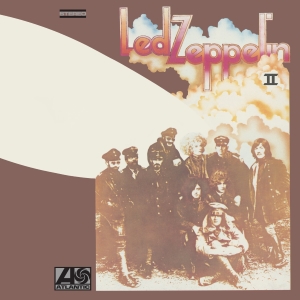
The historical context and cultural significance of Led Zeppelin II are closely tied to the social and cultural upheaval of the late 1960s. The album's release coincided with a period of great change and turmoil, marked by the emergence of the counterculture movement and the rise of protest music. The album's music and imagery reflected the mood and spirit of the times, with songs like Whole Lotta Love and Living Loving Maid capturing the sense of rebellion and nonconformity that defined the era. The album's cultural significance extends beyond its music, with the album's cover art and packaging becoming an iconic symbol of the era's youth culture.
🎧 Track Listing and Notable Songs
The track listing of Led Zeppelin II is a testament to the band's versatility and creativity. The album features a range of songs, from the powerful Whole Lotta Love to the delicate That's the Way. The album's songs are marked by a sense of tension and release, with the band's use of dynamics and contrast creating a sense of drama and excitement. The album's production is also noteworthy, with the band's use of studio techniques and effects helping to create a sense of depth and complexity. The album's influence can be heard in the music of Queen and Def Leppard, among others.
👏 Conclusion and Lasting Influence
In conclusion, Led Zeppelin II is a landmark album that continues to inspire and influence musicians to this day. The album's unique sound and style, marked by powerful guitar riffs, soaring vocal melodies, and a strong emphasis on rhythm and groove, have made it a classic of rock music. The album's influence on the development of rock music is undeniable, with many artists citing Led Zeppelin II as a major influence on their music. The album's legacy continues to be felt today, with its music and imagery remaining an integral part of popular culture. As a testament to the band's enduring influence, Led Zeppelin II remains a must-listen for fans of rock music and a powerful reminder of the band's innovative spirit and creative genius, much like The Beatles and The Rolling Stones.
Key Facts
- Year
- 1969
- Origin
- London, England
- Category
- Music
- Type
- Album
Frequently Asked Questions
What is the release date of Led Zeppelin II?
The release date of Led Zeppelin II is 22 October 1969 in the United States and 31 October 1969 in the United Kingdom. The album was released by Atlantic Records and marked a significant milestone in the career of the English rock band Led Zeppelin. The album's release coincided with a period of great change and turmoil, marked by the emergence of the counterculture movement and the rise of protest music.
Who is the lead guitarist and songwriter of Led Zeppelin?
The lead guitarist and songwriter of Led Zeppelin is Jimmy Page. Page played a pivotal role in shaping the sound and style of the band, and his production credits on Led Zeppelin II demonstrate his ability to craft compelling songs and arrangements. Page's guitar work on the album is particularly noteworthy, as it showcases his mastery of various techniques and styles, from the delicate fingerpicking of acoustic guitar to the powerful, distorted sound of electric guitar.
What is the engineering expertise of Eddie Kramer?
The engineering expertise of Eddie Kramer was instrumental in capturing the unique sound and energy of Led Zeppelin II. Kramer's work on the album marked the beginning of a long-term collaboration with the band, which would yield some of their most iconic and enduring recordings. His ability to balance the different elements of the band's sound, from the powerful drums of John Bonham to the soaring vocals of Robert Plant, helped to create a sense of cohesion and unity on the album.
What is the commercial success of Led Zeppelin II?
The commercial success of Led Zeppelin II was immediate and overwhelming, with the album reaching the top of the charts in both the United States and the United Kingdom. The album's popularity was fueled by the band's intense touring schedule, which included performances at various music festivals and concerts. The album's success also spawned several hit singles, including Whole Lotta Love and Living Loving Maid, which received heavy rotation on radio stations and helped to establish the band as one of the leading acts of the late 1960s.
What is the musical style of Led Zeppelin II?
The musical style of Led Zeppelin II is characterized by a unique blend of blues music, folk music, and hard rock. The band's sound is marked by powerful guitar riffs, soaring vocal melodies, and a strong emphasis on rhythm and groove. The album's musical influences are diverse and eclectic, ranging from the British blues scene to the emerging psychedelic rock movement.
What is the historical context of Led Zeppelin II?
The historical context of Led Zeppelin II is closely tied to the social and cultural upheaval of the late 1960s. The album's release coincided with a period of great change and turmoil, marked by the emergence of the counterculture movement and the rise of protest music. The album's music and imagery reflected the mood and spirit of the times, with songs like Whole Lotta Love and Living Loving Maid capturing the sense of rebellion and nonconformity that defined the era.
What is the legacy of Led Zeppelin II?
The legacy of Led Zeppelin II is undeniable, with the album continuing to inspire and influence musicians to this day. The album's unique sound and style, marked by powerful guitar riffs, soaring vocal melodies, and a strong emphasis on rhythm and groove, have made it a classic of rock music. The album's influence on the development of rock music is significant, with many artists citing Led Zeppelin II as a major influence on their music.