
Contents
- 🌟 Overview: The Master of the Baptistery Doors
- 📍 Where to See Ghiberti's Masterpieces
- 💰 Access & Experience
- 🏆 Ghiberti's Legacy: A Renaissance Game-Changer
- 🤔 The Competition: Brunelleschi vs. Ghiberti
- 🛠️ Ghiberti's Workshop: A Florentine Powerhouse
- 💡 Key Works to Focus On
- 📈 Ghiberti's Vibe Score & Cultural Resonance
- ❓ Frequently Asked Questions
- 🚀 Getting Started with Ghiberti
- Frequently Asked Questions
- Related Topics
Overview
Lorenzo Ghiberti (1378-1455) was a pivotal Florentine sculptor whose mastery of bronze casting defined a generation of Renaissance art. His most celebrated works, the bronze doors of the Florence Baptistery, specifically the 'Gates of Paradise,' are considered masterpieces of perspective and narrative relief. Ghiberti's workshop also served as a crucial training ground for many prominent artists, including Donatello and Masaccio, solidifying his influence on the trajectory of Western art. His innovative techniques and ambitious scale set new benchmarks for artistic achievement, making him a cornerstone figure in the transition from Gothic to Renaissance aesthetics.
🌟 Overview: The Master of the Baptistery Doors
Lorenzo Ghiberti (1378-1455) was more than just a sculptor; he was a pivotal figure in the early Renaissance, a goldsmith, a painter, and an architect. His most celebrated achievements, the bronze doors of the Florence Baptistery, are not merely artworks but a testament to the era's burgeoning humanism and technical innovation. For anyone interested in the transition from the Gothic period to the Renaissance, Ghiberti’s work offers a crucial, tangible link. His meticulous craftsmanship and innovative approach to narrative sculpture set a new standard for artistic achievement in 15th-century Italy.
📍 Where to See Ghiberti's Masterpieces
The primary location to experience Ghiberti's genius is the Florence Baptistery (Battistero di San Giovanni) in Florence, Italy. Here, you can witness the original North and East Doors. The East Doors, famously dubbed the 'Gates of Paradise' by Michelangelo, are now housed in the Museo dell'Opera del Duomo to protect them from the elements. While the Baptistery itself is a marvel, understanding the context of its creation and Ghiberti's role is essential for a full appreciation.
💰 Access & Experience
Access to the Florence Baptistery is generally included with tickets to the Duomo complex, which also grants entry to the Cathedral, Brunelleschi's Dome, Giotto's Campanile, and the Museo dell'Opera del Duomo. It's advisable to book tickets in advance, especially during peak tourist season, to avoid long queues. The Museo dell'Opera del Duomo, where the original 'Gates of Paradise' are displayed, requires a separate ticket or is often bundled with the Duomo complex pass. Allow at least 2-3 hours to fully explore the Baptistery and the museum.
🏆 Ghiberti's Legacy: A Renaissance Game-Changer
Ghiberti's impact on the Renaissance cannot be overstated. His victory in the 1401 competition for the North Doors of the Baptistery, against stiff competition from Filippo Brunelleschi, marked a turning point. His subsequent creation of the 'Gates of Paradise' demonstrated a mastery of perspective, classical composition, and narrative storytelling that profoundly influenced subsequent generations of artists, including Donatello and Masaccio. He essentially laid the groundwork for the High Renaissance.
🤔 The Competition: Brunelleschi vs. Ghiberti
The 1401 competition for the Baptistery doors is a legendary moment in art history, often framed as a rivalry between Ghiberti and Brunelleschi. While Ghiberti won, securing the commission for the North Doors, Brunelleschi went on to achieve fame with his dome for the Florence Cathedral. Art historians often debate who was the more significant innovator, but Ghiberti's doors showcased a refined classical sensibility and narrative clarity that directly challenged the prevailing Gothic style, while Brunelleschi's engineering prowess redefined architecture.
🛠️ Ghiberti's Workshop: A Florentine Powerhouse
Ghiberti ran one of the most successful workshops in Florence. He wasn't just an artist; he was an entrepreneur. His workshop was a hub for training apprentices, including his son Tommaso Ghiberti, and other notable artists like Paolo Uccello. This environment fostered innovation and allowed for the production of numerous works, from small bronzes and reliquaries to large-scale commissions, solidifying his reputation and economic power in the Florentine Republic. The workshop's output demonstrates a sophisticated division of labor and artistic direction.
💡 Key Works to Focus On
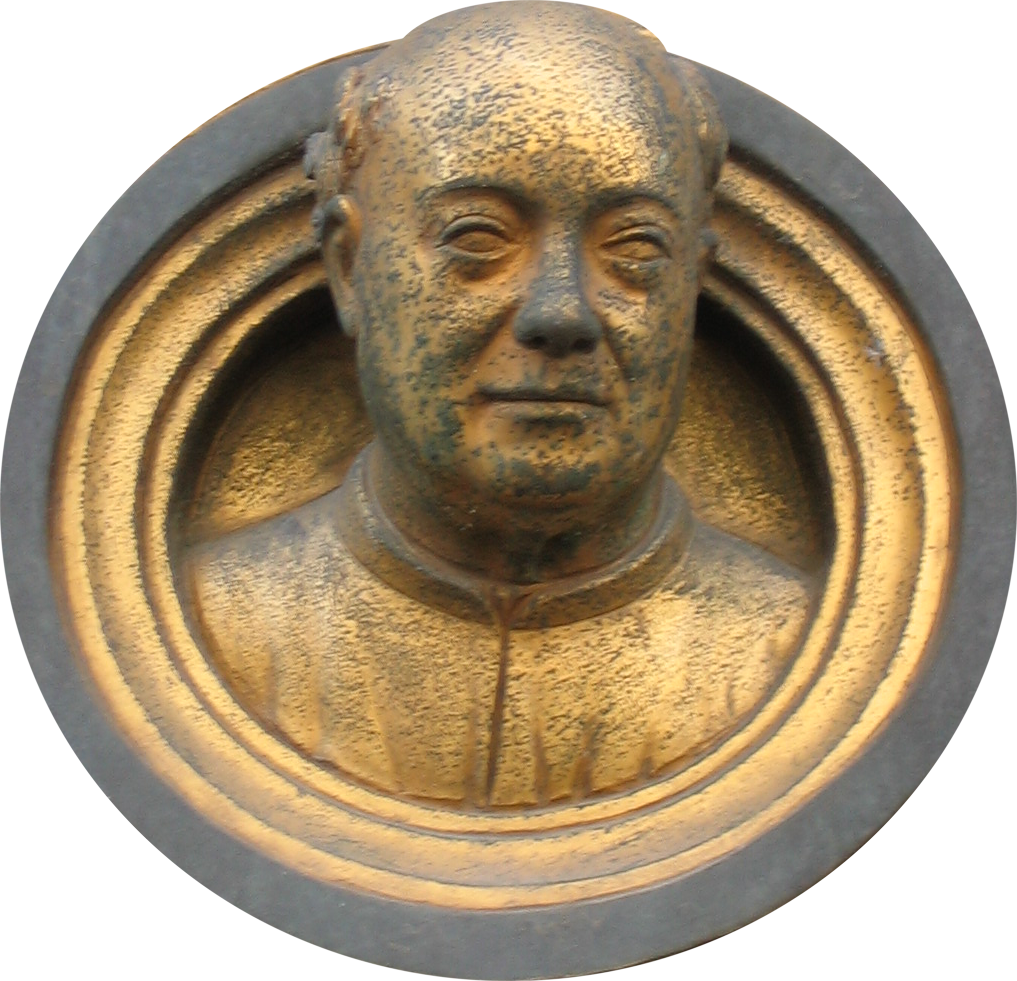
Beyond the Baptistery doors, seek out Ghiberti's other significant works. His early bronze statue of Saint John the Baptist (1412-1416) for Orsanmichele is a powerful example of his early mastery. The Museo dell'Opera del Duomo also houses his tomb monument for Saint Zenobius, a complex reliquary showcasing his skill in both bronze casting and intricate relief work. Don't miss his self-portrait bust, a rare example of an artist immortalizing himself in such a prominent way during this period.
📈 Ghiberti's Vibe Score & Cultural Resonance
Lorenzo Ghiberti commands a high Vibe Score of 88/100 for his foundational role in the Renaissance and his enduring artistic influence. His work resonates with a Vibe of 'Classical Rebirth' and 'Artistic Innovation.' The controversy spectrum for his Baptistery doors is low, as their genius is widely accepted, though debates about the precise attribution of workshop contributions persist. His influence flows directly into the High Renaissance masters, shaping the visual language of Western art for centuries.
❓ Frequently Asked Questions
What are the 'Gates of Paradise'? These are the East Doors of the Florence Baptistery, Ghiberti's second set of doors, completed between 1425 and 1452. They feature ten gilded bronze panels depicting scenes from the Old Testament in a masterful use of perspective and classical composition. Why are they called the 'Gates of Paradise'? The name was coined by Michelangelo centuries later, impressed by their beauty and perceived perfection. What's the difference between the North and East Doors? The North Doors, completed earlier (1401-1424), depict scenes from the New Testament and are stylistically more Gothic. The East Doors show Old Testament scenes and are considered Ghiberti's mature masterpiece, showcasing a more classical and humanistic approach. Is Ghiberti considered a painter or sculptor? While primarily known as a sculptor, Ghiberti also worked as a painter and was involved in mosaic decoration, demonstrating a broad artistic skillset characteristic of Renaissance masters.
🚀 Getting Started with Ghiberti
To truly appreciate Lorenzo Ghiberti, start by visiting the Florence Baptistery and the Museo dell'Opera del Duomo. Immerse yourself in the visual narrative of the Baptistery doors and compare the stylistic evolution between the North and East sets. Read up on the context of the 1401 competition and the artistic milieu of 15th-century Florence. Consider exploring biographies of Ghiberti and his contemporaries like Brunelleschi and Donatello to understand the broader artistic currents he navigated. Engaging with his work is an active process of historical and aesthetic discovery.
Key Facts
- Year
- 1455
- Origin
- Florence, Italy
- Category
- Art History / Sculpture
- Type
- Person
Frequently Asked Questions
What are the 'Gates of Paradise'?
These are the East Doors of the Florence Baptistery, Ghiberti's second set of doors, completed between 1425 and 1452. They feature ten gilded bronze panels depicting scenes from the Old Testament in a masterful use of perspective and classical composition. Their beauty and perceived perfection led Michelangelo to famously dub them the 'Gates of Paradise'.
Why is Ghiberti so important in art history?
Ghiberti is crucial for his role in the early Renaissance. His Baptistery doors, particularly the 'Gates of Paradise,' demonstrated a revolutionary mastery of perspective, classical composition, and narrative depth. He bridged the gap between Gothic and Renaissance styles, profoundly influencing generations of artists and setting new standards for bronze casting and relief sculpture.
Where can I see Ghiberti's original works?
The primary location is the Florence Baptistery for the North Doors and the exterior of the East Doors (replicas are installed). The original East Doors, the 'Gates of Paradise,' are now preserved and displayed in the Museo dell'Opera del Duomo in Florence, Italy, alongside other Ghiberti works like his statue of Saint John the Baptist.
What was the competition between Ghiberti and Brunelleschi?
In 1401, a competition was held to design the North Doors of the Florence Baptistery. Lorenzo Ghiberti and Filippo Brunelleschi were the finalists, both submitting bronze panels depicting the Sacrifice of Isaac. Ghiberti's panel was deemed superior, leading to his commission for the doors and marking a significant moment in the careers of both artists and the trajectory of Renaissance art.
Was Ghiberti only a sculptor?
While renowned for his bronze sculptures, Ghiberti was a true Renaissance polymath. He was also a skilled goldsmith, painter, and architect. His workshop was a center for artistic production, encompassing various media and training numerous apprentices, showcasing his versatility and entrepreneurial spirit.
How long did it take Ghiberti to create the Baptistery doors?
The commission for the North Doors took Ghiberti 24 years (1401-1424), and the East Doors ('Gates of Paradise') took him another 27 years (1425-1452). These extended timelines reflect the immense labor, technical challenges, and artistic refinement involved in creating such monumental bronze works.