
Contents
- 🎵 Origins & History
- ⚙️ How It Works
- 📊 Key Facts & Numbers
- 👥 Key People & Organizations
- 🌍 Cultural Impact & Influence
- ⚡ Current State & Latest Developments
- 🤔 Controversies & Debates
- 🔮 Future Outlook & Predictions
- 💡 Practical Applications
- 📚 Related Topics & Deeper Reading
- Frequently Asked Questions
- References
- Related Topics
Overview
The concept of restricting fructose intake gained traction as medical understanding of carbohydrate digestion evolved. Early observations in the mid-20th century noted that certain individuals experienced severe adverse reactions to fructose, leading to the identification of hereditary fructose intolerance (HFI) by E. K. Kretchmer in 1956. This rare genetic disorder highlighted the body's differential processing of fructose. More commonly, the focus shifted to fructose malabsorption, a condition where the small intestine cannot absorb fructose efficiently, leading to its fermentation in the large intestine. Research by figures like Mark Pimentel at Cedars-Sinai Medical Center in the early 2000s, particularly his work on small intestinal bacterial overgrowth (SIBO) and its link to malabsorption syndromes, further solidified the clinical relevance of limiting fructose. The widespread use of high-fructose corn syrup (HFCS) in processed foods since the 1970s also brought added fructose into the spotlight, prompting dietary recommendations to reduce its consumption for general health, not just for malabsorption issues.
⚙️ How It Works
A low fructose diet operates on the principle of reducing the load of fructose that the digestive system must process. For individuals with fructose malabsorption, the primary mechanism involves limiting the amount of free fructose that reaches the small intestine. When fructose intake exceeds the capacity of intestinal transporters (specifically, the GLUT5 transporter), unabsorbed fructose passes into the colon, where it is fermented by gut bacteria, producing gases like hydrogen and methane, leading to symptoms such as bloating, pain, and diarrhea. The diet often involves a phased approach: an initial elimination phase to identify trigger foods, followed by a reintroduction phase to determine individual tolerance levels. It's crucial to distinguish between free fructose and fructose bound within disaccharides like sucrose (glucose + fructose) or lactose (glucose + galactose), as the presence of glucose can often facilitate fructose absorption via a shared transporter mechanism. Therefore, foods high in free fructose, such as certain fruits (apples, pears, mangoes) and sweeteners, are restricted, while those with a better fructose-to-glucose ratio or low overall carbohydrate content are prioritized.
📊 Key Facts & Numbers
Estimates suggest that up to 30-40% of the Western population may experience symptoms consistent with fructose malabsorption, though formal diagnosis rates are lower. The average American consumes approximately 55 grams of fructose per day, with a significant portion coming from added sugars like HFCS, which constitutes about 42% of the sweetener in many products. In contrast, a strictly low fructose diet might aim to keep daily fructose intake below 10-20 grams, with some individuals requiring even stricter limits of less than 5 grams. Studies have shown that reducing fructose intake can lead to a significant decrease in breath hydrogen levels, a marker for carbohydrate malabsorption, by as much as 50% in symptomatic individuals. The economic impact of digestive disorders, for which low fructose diets are often a management strategy, is substantial, with healthcare costs in the billions annually in countries like the United States.
👥 Key People & Organizations
Key figures in the development and understanding of low fructose diets include E. K. Kretchmer, who first described hereditary fructose intolerance in 1956, and Mark Pimentel, whose research at Cedars-Sinai Medical Center has been instrumental in linking malabsorption syndromes, including fructose malabsorption, to SIBO. Organizations like the Monash University FODMAP Diet App have played a pivotal role in popularizing and providing practical guidance on low-FODMAP diets, which often overlap significantly with low fructose principles, by categorizing foods based on their fermentable carbohydrate content, including fructose. Dietitians and gastroenterologists worldwide, such as Sue Shepherd, who developed the original FODMAP diet, are critical in guiding patients through the complexities of implementing and adhering to these restrictive eating patterns.
🌍 Cultural Impact & Influence
The cultural impact of the low fructose diet is largely intertwined with broader trends in health consciousness and the growing awareness of food sensitivities. As more people experience digestive issues, the popularity of diets like low-FODMAP and low fructose has surged, driven by online communities, health blogs, and wellness influencers. This has led to a greater demand for low-fructose food products and clearer labeling from manufacturers. However, this cultural shift also brings challenges, including the potential for misinformation and the oversimplification of complex dietary needs. The debate over the health effects of HFCS has also fueled public interest in reducing fructose consumption, making the low fructose diet a topic of discussion beyond just those with diagnosed malabsorption issues. The rise of 'clean eating' movements has further amplified the focus on natural sugars versus processed sweeteners.
⚡ Current State & Latest Developments
Current research is increasingly focusing on the personalized nature of fructose tolerance and the long-term sustainability of low fructose diets. Studies are exploring the role of the gut microbiome in mediating fructose absorption and tolerance, suggesting that interventions aimed at modulating gut bacteria could potentially improve fructose digestion. Furthermore, the development of more accurate diagnostic tools for fructose malabsorption and other carbohydrate intolerances is ongoing. The debate continues regarding the optimal duration of elimination phases and the most effective strategies for reintroducing fructose-containing foods without triggering symptoms. The food industry is responding with a growing array of low-fructose or 'fructose-friendly' products, though careful label reading remains essential, as 'low fructose' claims can be inconsistent. The ongoing clinical trial landscape is exploring novel therapeutic approaches, including enzyme supplements and prebiotics, to aid fructose digestion.
🤔 Controversies & Debates
One of the primary controversies surrounding low fructose diets centers on the distinction between fructose malabsorption and fructose intolerance (including HFI). While HFI is a severe, life-threatening genetic disorder requiring strict lifelong avoidance of fructose and sorbitol, fructose malabsorption is a more common condition with a spectrum of severity. Critics argue that many individuals self-diagnose fructose malabsorption based on general digestive symptoms without proper medical evaluation, leading to unnecessary dietary restrictions that can impact nutrient intake and gut health. There's also debate about the role of glucose in facilitating fructose absorption; some argue that simply reducing total sugar intake, rather than focusing solely on fructose, is a more practical and less restrictive approach for the general population. Furthermore, the potential for low fructose diets to negatively impact the gut microbiome by reducing the intake of fermentable fibers found in fruits is a concern for some researchers and clinicians.
🔮 Future Outlook & Predictions
The future outlook for low fructose diets is likely to involve greater personalization and integration with microbiome research. As our understanding of individual gut flora and genetic predispositions deepens, dietary recommendations will become more tailored. We may see the development of targeted probiotics or prebiotics designed to enhance fructose metabolism in specific individuals. Furthermore, advancements in diagnostic technologies could lead to more precise identification of fructose malabsorption and its underlying causes, moving beyond breath tests. The long-term impact of restrictive diets on overall health and the gut microbiome will continue to be a critical area of investigation. There's also potential for the development of novel food technologies that can modify fructose content or improve its digestibility, making adherence easier and reducing the risk of nutrient deficiencies. The ongoing exploration of the metabolic effects of fructose, particularly its link to non-alcoholic fatty liver disease (NAFLD), will likely keep fructose reduction on the public health agenda.
💡 Practical Applications
The most direct practical application of a low fructose diet is for individuals diagnosed with fructose malabsorption or hereditary fructose intolerance. For these individuals, it is a primary management strategy to alleviate digestive symptoms like bloating, gas, diarrhea, and abdominal pain. Beyond diagnosed conditions, the diet is also explored by individuals seeking to improve metabolic health, manage type 2 diabetes by improving glycemic control, or reduce NAFLD by lowering liver fat accumulation, given fructose's unique metabolic pathway that can promote de novo lipogenesis in the liver. It can also be a component of broader low-FODMAP protocols for managing Irritable Bowel Syndrome (IBS). Athletes and fitness enthusiasts sometimes adopt it to optimize energy utilization and reduce digestive discomfort during training and competition, though this is less common and often requires careful nutritional planning.
Key Facts
- Year
- mid-20th century (concept development)
- Origin
- Global (medical research and dietary practice)
- Category
- science
- Type
- concept
Frequently Asked Questions
What is fructose and where is it found?
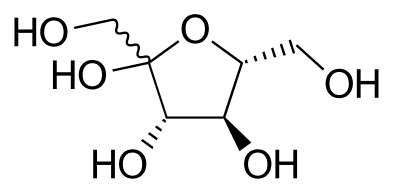
Fructose, also known as fruit sugar, is a simple monosaccharide sugar. It's naturally abundant in fruits, honey, and many root vegetables. It's also a component of the disaccharide sucrose (table sugar) and is a primary ingredient in high-fructose corn syrup (HFCS), a common sweetener in processed foods and beverages. While naturally occurring in healthy foods, excessive intake, particularly from added sugars, is linked to various health concerns.
Why would someone follow a low fructose diet?
Individuals typically adopt a low fructose diet to manage symptoms associated with fructose malabsorption, a condition where the small intestine struggles to absorb fructose efficiently, leading to digestive distress like bloating, gas, and diarrhea. It's also sometimes used to address hereditary fructose intolerance (HFI), a severe genetic disorder. Beyond these conditions, some people use it to improve metabolic health, manage NAFLD, or gain better control over type 2 diabetes.
What are the main foods to avoid on a low fructose diet?
Key foods to limit or avoid on a low fructose diet include high-fructose fruits like apples, pears, mangoes, and dried fruits. Sweeteners such as HFCS, honey, agave nectar, and large amounts of sucrose are also restricted. Some vegetables, like onions and artichokes, are high in fructans, which can be problematic for those with fructose malabsorption, and are often limited as well. Processed foods containing hidden fructose are also a major concern.
Are all fruits bad on a low fructose diet?
No, not all fruits are problematic. The tolerance for fructose varies significantly among individuals. Generally, fruits lower in fructose and higher in glucose, such as berries (strawberries, blueberries, raspberries), citrus fruits (oranges, grapefruit), and bananas, are often better tolerated. The key is to identify personal tolerance levels, often through a structured reintroduction phase after an elimination period, as guided by a healthcare professional or dietitian.
Can a low fructose diet negatively impact gut health?
Yes, there is a potential concern that overly restrictive low fructose diets could negatively impact the gut microbiome. Many fruits and vegetables, which are restricted on a low fructose diet, are also rich sources of dietary fiber and prebiotics that nourish beneficial gut bacteria. If not carefully planned, such restrictions could lead to a less diverse microbiome. This is why a phased approach, including a reintroduction phase, and consultation with a dietitian are crucial to ensure adequate nutrient intake and maintain gut health.
How is fructose malabsorption diagnosed?
The most common diagnostic method for fructose malabsorption is a hydrogen breath test. After consuming a specific amount of fructose (typically 25-50 grams), breath samples are collected at intervals over 2-3 hours. An increase in breath hydrogen and/or methane levels indicates malabsorption, as these gases are produced by gut bacteria fermenting unabsorbed carbohydrates. This test is usually performed under the supervision of a healthcare provider.
What is the difference between fructose malabsorption and hereditary fructose intolerance (HFI)?
Fructose malabsorption is a condition where the small intestine has a limited capacity to absorb fructose, leading to digestive symptoms. It is relatively common and manageable with dietary adjustments. Hereditary fructose intolerance (HFI), however, is a rare, severe genetic disorder caused by a deficiency in the enzyme aldolase B. In HFI, ingesting fructose (or sorbitol and fructose-containing sugars like sucrose) leads to a dangerous buildup of fructose-1-phosphate, causing severe hypoglycemia, liver damage, and kidney problems. HFI requires strict, lifelong avoidance of fructose and related sugars.