
Contents
- 🎯 The Strategic Objective
- 📜 A History of Retention
- 🏗️ Mechanics of the Value Loop
- 📊 Tiered vs. Flat Structures
- 💳 Co-Branded Credit Ecosystems
- 📱 Digital Wallets & Gamification
- ⚖️ The Data-Privacy Tradeoff
- 📉 Common Pitfalls & Devaluation
- 🚀 The Future of Tokenized Loyalty
- 🛠️ Getting Started: Implementation
- Frequently Asked Questions
- Related Topics
Overview
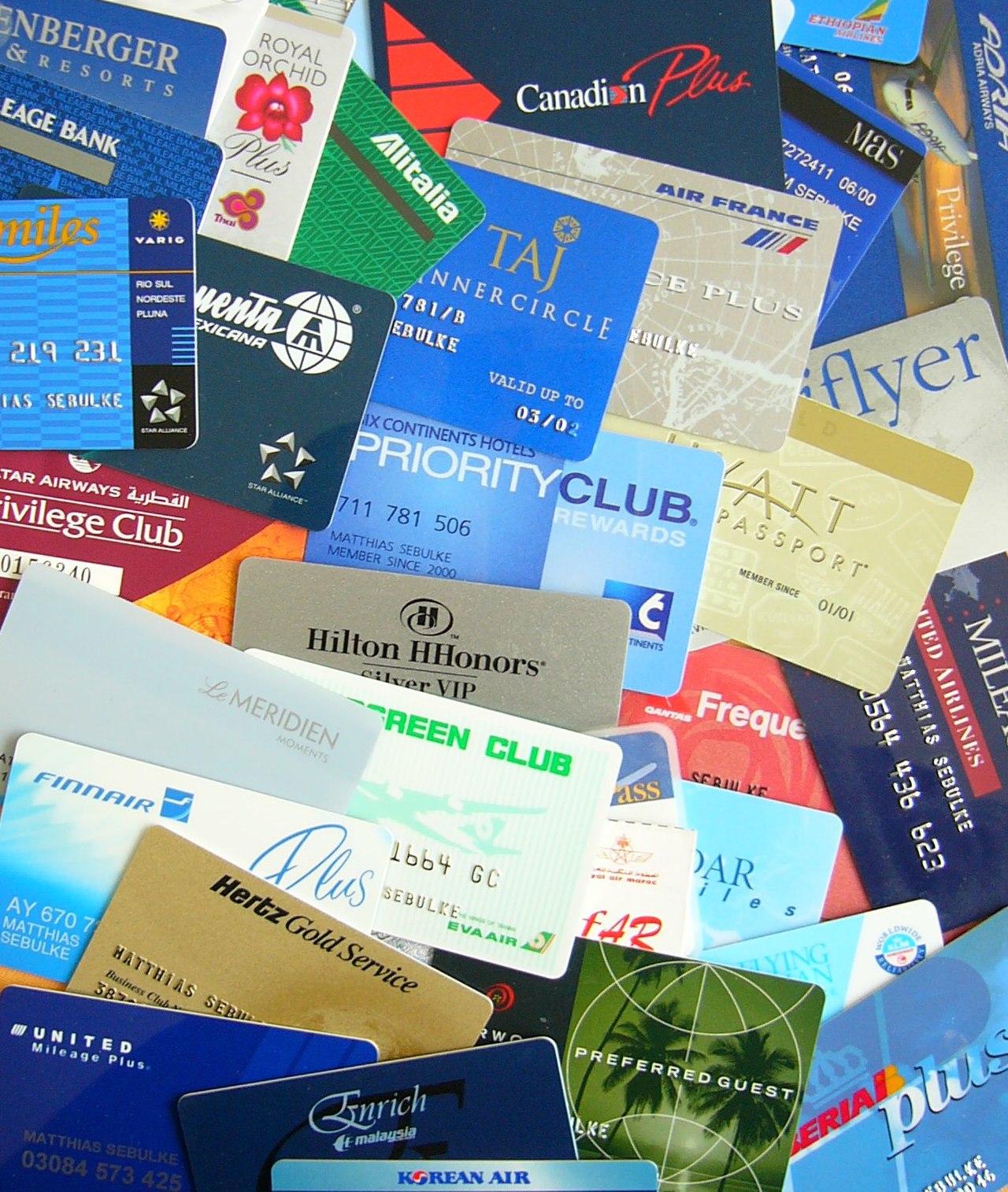
Loyalty programs function as a sophisticated retention marketing engine designed to increase the Customer Lifetime Value (CLV) by incentivizing repeat transactions. Rather than competing solely on price, businesses use these frameworks to build emotional and financial moats around their user base. Modern systems, like the Starbucks Rewards app, demonstrate how mobile integration can turn a simple caffeine habit into a high-frequency data collection tool. For the business, the goal is to reduce churn rate while simultaneously lowering the cost of acquisition for future sales. For the consumer, the program offers a tangible return on their brand commitment through discounts, exclusive access, or status symbols.
📜 A History of Retention
The concept traces back to the late 18th century when American merchants gave out copper tokens that could be redeemed for future products. This evolved into the S&H Green Stamps era of the mid-20th century, where physical stamps became a secondary currency for households across the United States. The true modern blueprint emerged in 1981 with the launch of American Airlines AAdvantage, the first major frequent flyer program. This shifted the focus from physical tokens to digital ledgers, allowing companies to track individual consumer behavior with surgical precision. Today, these programs are no longer just perks; they are massive financial assets that often carry higher valuations than the core businesses themselves.
🏗️ Mechanics of the Value Loop
At the engineering level, a loyalty program is a closed-loop economy where the business acts as a central bank issuing a proprietary currency. This currency, whether called points, miles, or stars, represents a deferred revenue liability on the company's balance sheet. Effective programs manage the 'velocity' of these points to ensure users feel rewarded without the company incurring unsustainable costs. Systems like Amazon Prime flipped the script by charging an upfront fee for loyalty, proving that customers will pay for the privilege of being locked into an ecosystem. The psychological trigger here is the sunk cost fallacy, where users spend more to justify the initial membership investment.
📊 Tiered vs. Flat Structures
Businesses must choose between flat reward structures and tiered hierarchies that utilize gamification mechanics to drive behavior. Flat systems, like a simple 'buy ten get one free' punch card, offer transparency but lack the aspirational pull of elite status. Tiered programs, common in the Marriott Bonvoy ecosystem, create a 'hedonic treadmill' where customers spend more to reach Silver, Gold, or Platinum levels. These tiers leverage social signaling, providing benefits like lounge access or priority boarding that cost the provider little but hold high perceived value for the user. The tension lies in balancing the accessibility of the entry-level rewards with the exclusivity of the top-tier perks.
💳 Co-Branded Credit Ecosystems
The most lucrative iteration of this strategy is the co-branded credit card, where retailers partner with banks like JPMorgan Chase or American Express. In these arrangements, the bank pays the retailer for the points issued to cardholders, effectively turning the loyalty program into a profit center. For airlines like Delta, the sale of SkyMiles to banks often generates more consistent cash flow than actual ticket sales. This creates a complex financialization of consumer habits, where the points themselves become a shadow currency traded between massive corporate entities. Consumers benefit from accelerated earning rates, but they also become deeply entrenched in a specific financial and retail ecosystem.
📱 Digital Wallets & Gamification
The transition from physical cards to mobile wallets has fundamentally changed the 'vibe' and friction of loyalty participation. Integration with Apple Pay and Google Wallet allows for seamless point accrual at the point of sale without the need for a separate scan. Companies like Sephora have mastered this by using their Beauty Insider program to push personalized notifications based on a user's proximity to a physical store. This real-time interaction turns the loyalty program into a behavioral economics experiment, nudging users toward specific purchases through time-sensitive 'power-ups' or bonus point events. The interface is no longer a card in a wallet; it is a persistent presence on the user's primary communication device.
⚖️ The Data-Privacy Tradeoff
There is an inherent friction between the benefits of loyalty programs and the growing demand for data privacy. To participate, users must surrender a granular history of their purchasing habits, which companies then use for predictive analytics and targeted advertising. This data is often more valuable than the products being sold, as it allows brands to map out the consumer decision journey with high accuracy. While many users are happy to trade their data for a free latte, skeptics point to the potential for price discrimination and the 'surveillance capitalism' aspect of these programs. Regulatory frameworks like GDPR and CCPA have forced brands to be more transparent about how this 'loyalty data' is harvested and sold.
📉 Common Pitfalls & Devaluation
The greatest risk to any loyalty program is inflationary devaluation, where the 'price' of rewards in points increases over time. When an airline suddenly requires 100,000 miles for a flight that previously cost 50,000, it erodes the trust that underpins the entire system. This often leads to 'points hoarding' or, conversely, a mass exodus of frustrated users to a competitor. Brands must also navigate the 'breakage' problem—the percentage of points that expire without being used. While breakage improves the short-term balance sheet, high expiration rates can alienate the most valuable customers. Finding the 'Goldilocks zone' of redemption frequency is the primary challenge for any loyalty program manager.
🚀 The Future of Tokenized Loyalty
We are entering an era of Web3 loyalty, where traditional points are being replaced by NFTs and blockchain-based tokens. This shift allows for 'interoperable loyalty,' where rewards earned at a coffee shop might be tradable for discounts at a clothing retailer. Brands like Nike and Starbucks are already experimenting with digital collectibles that grant holders exclusive access to physical products and events. This decentralization removes the 'walled garden' aspect of traditional programs, potentially giving more power back to the consumer. However, it also introduces volatility and technical hurdles that may alienate less tech-savvy demographics. The future of loyalty is likely a hybrid of traditional psychological triggers and decentralized asset ownership.
🛠️ Getting Started: Implementation
To launch a successful program, a business must first define its North Star metric—is the goal more frequent visits, higher average order value, or pure data acquisition? Small businesses can start with off-the-shelf platforms like Toast or Shopify's integrated loyalty tools to minimize technical overhead. The key is to ensure the 'earn-to-burn' ratio is attractive enough to trigger immediate engagement while remaining financially viable at scale. Regular audits of the Customer Acquisition Cost (CAC) versus the retention benefits are essential to prevent the program from becoming a drain on resources. Ultimately, a loyalty program is not a gift to the customer; it is a strategic investment in the brand's long-term survival.
Key Facts
- Year
- Circa 1900s (early forms)
- Origin
- Retail
- Category
- Business Strategy
- Type
- Concept
Frequently Asked Questions
What is the difference between a loyalty program and a rewards program?
While often used interchangeably, a loyalty program focuses on building a long-term relationship and emotional connection, whereas a rewards program is more transactional. Loyalty programs often include non-monetary perks like early access or community status, while rewards programs focus on 'cash back' or direct discounts. In the modern business strategy, the most successful examples blend both to capture both the rational and emotional drivers of consumer behavior.
How do companies make money from 'free' loyalty programs?
Companies profit through increased purchase frequency, higher average spend, and the collection of valuable consumer data. Additionally, large-scale programs like those run by airlines sell their points to credit card issuers, creating a massive secondary revenue stream. The data collected allows for hyper-targeted marketing, which significantly reduces the waste in traditional advertising budgets.
Why do my points eventually expire?
Points expire to manage the company's financial liability; every unredeemed point is a debt on their balance sheet. Expiration dates also serve as a 'nudge' to bring the customer back into the store or onto the website to make a purchase before they lose their value. However, overly aggressive expiration policies can lead to 'brand resentment' and high churn rates among previously loyal customers.
Are tiered loyalty programs better than flat ones?
Tiered programs are generally more effective for high-frequency businesses like travel or luxury retail because they leverage the 'status' drive of human psychology. Flat programs work better for low-margin, high-volume businesses like grocery stores where the customer values simplicity and immediate savings over elite status. The choice depends entirely on the brand's target demographic and the typical purchase cycle of the product.
Can a small business compete with big-brand loyalty programs?
Yes, small businesses can compete by offering 'hyper-local' or personalized rewards that big corporations cannot replicate, such as a personal greeting or a custom 'off-menu' item. By using modern POS integrations, small retailers can access the same data analytics tools that were once reserved for Fortune 500 companies. The key for small players is to focus on the 'human' element of loyalty rather than just the mathematical discount.