
Contents
Overview
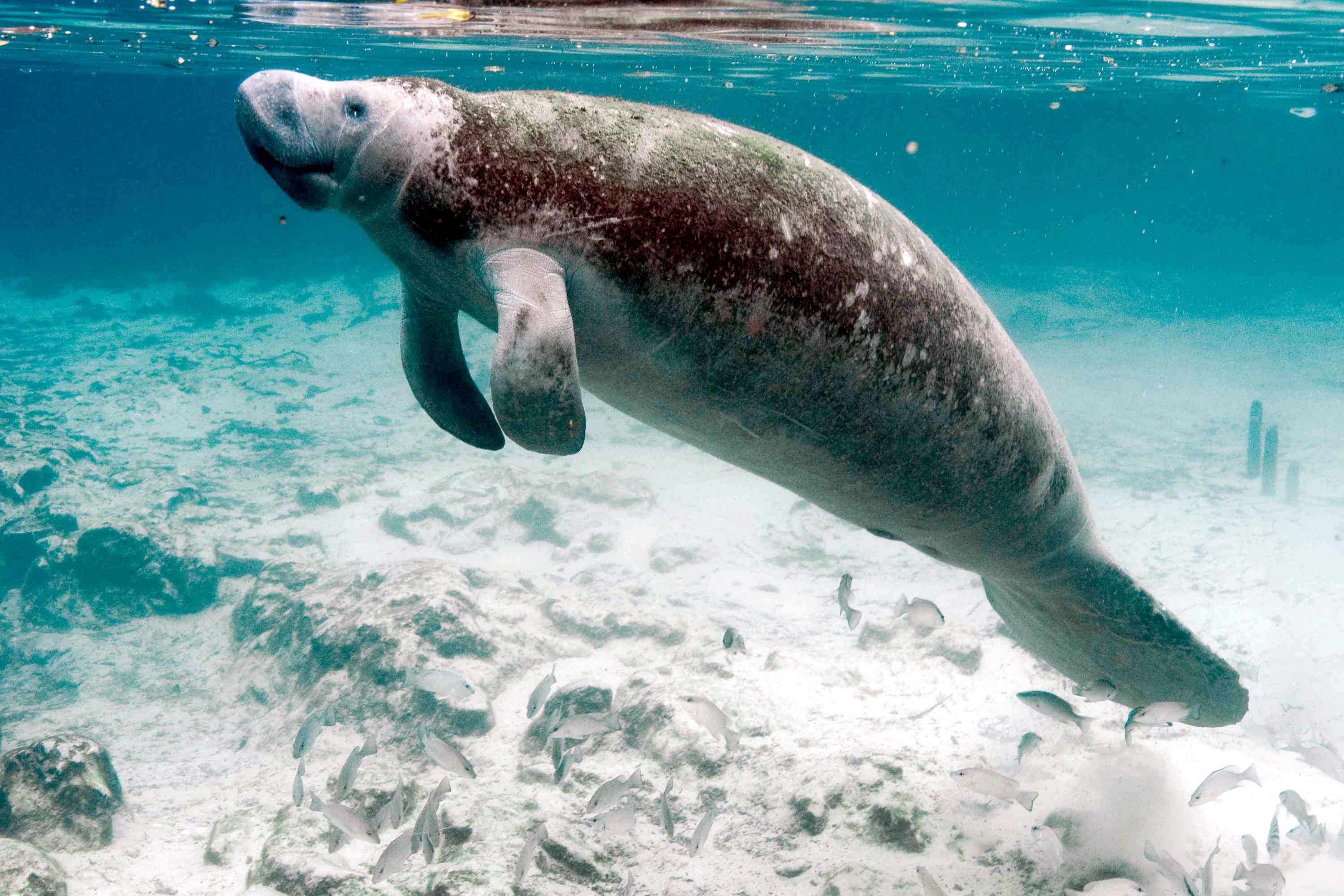
Manatees are large, fully aquatic, mostly herbivorous marine mammals that inhabit shallow, marshy coastal areas and rivers. With three accepted living species, these gentle creatures feed on over 60 different freshwater and saltwater plants. However, their slow-moving, curious nature has led to violent collisions with propeller-driven boats and ships, making human-related issues a significant threat to their survival. As a result, conservation efforts are necessary to protect these incredible animals and their habitats. The World Wildlife Fund and other organizations are working to protect manatee habitats and prevent human-manatee conflicts.
🐠 Origins & History
Manatees eat over 60 different freshwater and saltwater plants, including seagrass and algae. They have a unique, paddle-like tail that they use to swim and maneuver through the water. Manatees are also known for their slow-moving, curious nature, which has led to violent collisions with propeller-driven boats and ships.
🌿 How It Works
The National Oceanic and Atmospheric Administration (NOAA) has implemented regulations to protect manatees, including the creation of marine protected areas and the enforcement of speed limits for boats in manatee habitats. Manatees have been an important part of the ecosystem, playing a crucial role in maintaining the balance of their environments. For example, they help to disperse seeds and nutrients through their digestive system, which benefits the mangrove forests and other coastal ecosystems.
📊 Key Facts & Numbers
The United States Fish and Wildlife Service is responsible for enforcing laws and regulations related to manatee conservation. Several organizations are working to protect manatees and their habitats, including the World Wildlife Fund and the National Oceanic and Atmospheric Administration. These organizations are working to educate the public about the importance of manatee conservation and to implement regulations to protect these incredible animals.
👥 Key People & Organizations
Manatees have had a significant impact on human culture, with many ancient civilizations revering these creatures as sacred animals. In some cultures, manatees are seen as a symbol of good luck and prosperity, while in others they are viewed as a source of food and sustenance. The mermaid legend is also thought to have originated from manatee sightings, with the creatures' human-like appearance and gentle nature leading to the development of this myth.
🌍 Cultural Impact & Influence
The World Wildlife Fund and other organizations are working to protect manatee habitats and prevent human-manatee conflicts. The public can help by supporting these efforts and spreading awareness about the importance of manatee conservation.
⚡ Current State & Latest Developments
Manatees have several practical applications, including their use in ecotourism and marine conservation. Manatees are also an important part of the ecosystem, playing a crucial role in maintaining the balance of their environments. For example, they help to disperse seeds and nutrients through their digestive system, which benefits the mangrove forests and other coastal ecosystems.
🤔 Controversies & Debates
Manatees are related to several other topics, including dugongs, sea cows, and marine mammals. They are also an important part of the ecosystem, playing a crucial role in maintaining the balance of their environments. For example, they help to disperse seeds and nutrients through their digestive system, which benefits the mangrove forests and other coastal ecosystems.
Key Facts
- Category
- nature
- Type
- topic