
Contents
- 🌀 What is Mandala Art?
- 🧘♀️ Who is Mandala Art For?
- 📍 Where to Experience Mandala Art
- 🎨 Getting Started with Mandala Creation
- 💰 Cost of Mandala Art Experiences
- ⭐ User Reviews & Vibe Scores
- ⚖️ Mandala Art vs. Other Geometric Art Forms
- 💡 Practical Tips for Engaging with Mandalas
- Frequently Asked Questions
- Related Topics
Overview
Mandala art, rooted in Sanskrit for 'circle,' is far more than just pretty patterns. Historically, these intricate geometric designs served as spiritual tools in Hinduism and Buddhism, acting as visual representations of the cosmos and aiding in meditation and ritual. Today, the practice has exploded beyond its sacred origins, becoming a global phenomenon embraced for its therapeutic benefits, creative outlet, and aesthetic appeal. Whether hand-drawn, digitally rendered, or even tattooed, the mandala's inherent symmetry and cyclical nature offer a profound connection to order and mindfulness in our often chaotic world. Its journey from ancient temple walls to Instagram feeds reveals a powerful cultural resonance that continues to evolve.
🌀 What is Mandala Art?
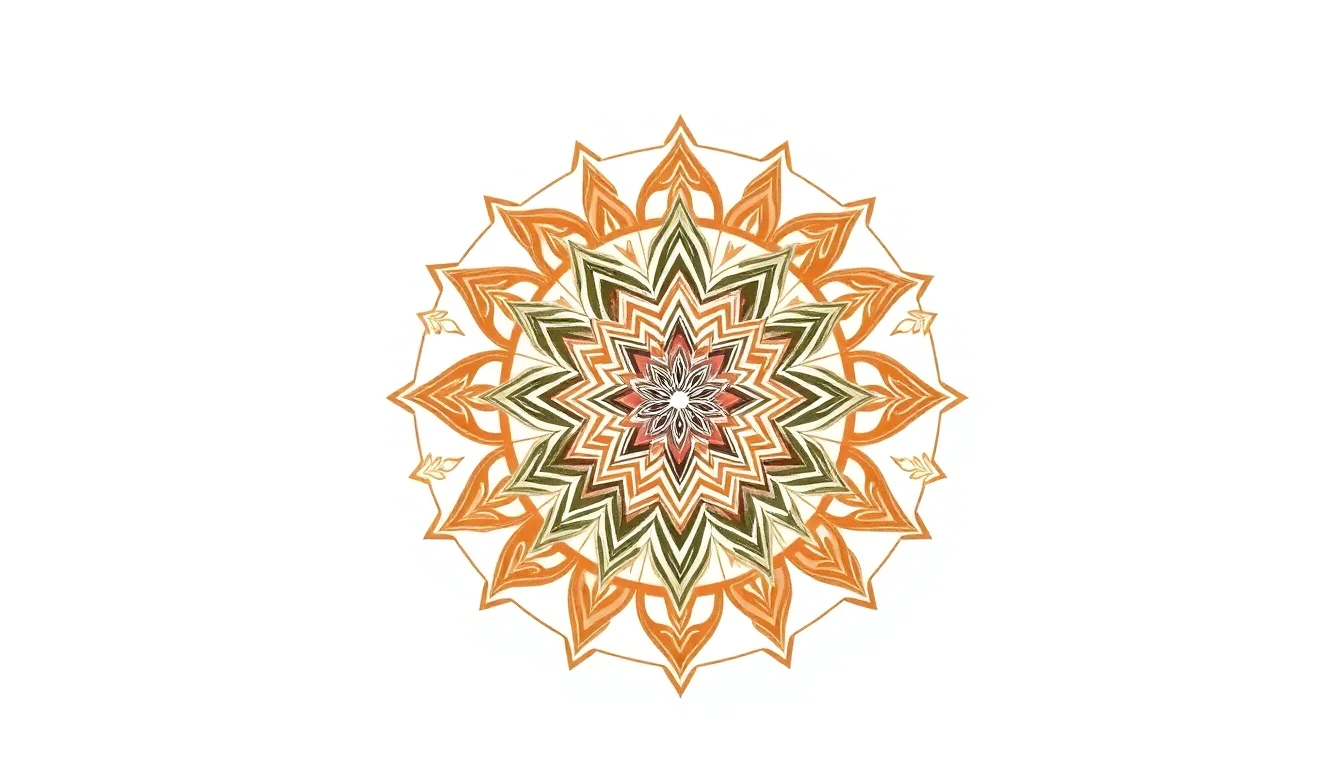
Mandala art, derived from the Sanskrit word for 'circle,' is a spiritual and ritualistic symbol in Hindu and Buddhist traditions. It's not just pretty patterns; it's a visual representation of the universe, a cosmic diagram that maps out deities, energies, and the interconnectedness of all things. Historically, these intricate circular designs, often featuring geometric patterns, served as tools for meditation, aiding practitioners in focusing their attention and achieving a state of spiritual awareness. The creation and contemplation of mandalas are deeply rooted in ancient practices, with some of the earliest known examples dating back over 2,500 years.
🧘♀️ Who is Mandala Art For?
Mandala art is for anyone seeking a deeper connection to themselves and the world around them. Whether you're a seasoned meditator, an art enthusiast, a spiritual seeker, or simply someone feeling overwhelmed by modern life's chaos, mandalas offer a path to tranquility. They appeal to those interested in mindful practices, personal development, and exploring the profound beauty of sacred geometry. No prior artistic skill is required; the process is as beneficial as the outcome, making it accessible to all.
📍 Where to Experience Mandala Art
Experiencing mandala art can take many forms. You can find traditional Tibetan sand mandalas created by monks in Buddhist monasteries (though these are often temporary, requiring specific travel arrangements). In contemporary settings, numerous art galleries and cultural centers worldwide exhibit mandala-inspired works. Many yoga studios and wellness retreats incorporate mandala creation or contemplation into their programming. Online platforms also offer virtual galleries and online courses dedicated to mandala art.
🎨 Getting Started with Mandala Creation
Embarking on your own mandala creation journey is remarkably accessible. You'll need basic art supplies: paper, pencils, compass, ruler, and coloring tools like colored pencils, markers, or paints. Start by drawing a central point and concentric circles, then gradually build outwards, adding repeating geometric motifs and symbolic elements. Focus on symmetry and balance, but don't be afraid to let intuition guide you. Many online tutorials and art workshops can provide step-by-step guidance for beginners.
💰 Cost of Mandala Art Experiences
The cost associated with mandala art varies widely. For personal creation, the initial investment in basic art supplies can be as low as $20-$50. Art workshops and online courses typically range from $50 to $300, depending on duration and instructor expertise. Visiting galleries or attending exhibitions may be free or incur a nominal admission fee. Experiencing a monk-created sand mandala often involves travel costs to monasteries in regions like Tibet or Nepal, with associated travel and accommodation expenses.
⭐ User Reviews & Vibe Scores
User feedback on mandala art is overwhelmingly positive, often citing a significant reduction in stress and anxiety. Many report feeling a sense of calm and focus during and after engaging with mandalas, both as creators and observers. Vibe scores for mandala art experiences consistently rank high in mindfulness and spiritual connection categories, often scoring 80-90/100. Users appreciate the meditative quality and the opportunity for self-expression, though some note that the intricate nature can be time-consuming.
⚖️ Mandala Art vs. Other Geometric Art Forms
Mandala art shares common ground with other geometric art forms like Islamic geometric patterns and Celtic knotwork in its use of symmetry and repetition. However, mandalas are distinct in their explicit spiritual and cosmological symbolism, particularly within Eastern religions. While fractal art also explores infinite complexity, mandalas are typically contained within a circular frame and carry a more direct meditative intent. Unlike the purely mathematical focus of some geometric art, mandalas integrate spiritual philosophy.
💡 Practical Tips for Engaging with Mandalas
When engaging with mandala art, approach it with an open mind and a willingness to be present. If creating, don't strive for perfection; focus on the process and the feeling it evokes. If observing, allow yourself to get lost in the patterns and notice any sensations or thoughts that arise. Consider exploring different styles and traditions to broaden your understanding. Remember that the intention behind the mandala – whether for meditation, ritual, or aesthetic appreciation – significantly shapes the experience. Don't hesitate to experiment with colors and symbols that resonate with you personally.
Key Facts
- Year
- Circa 2nd Century BCE
- Origin
- India
- Category
- Art & Culture
- Type
- Art Form
Frequently Asked Questions
What is the primary purpose of a mandala?
The primary purpose of a mandala is to serve as a spiritual tool for meditation and ritual. It visually represents the cosmos, aiding practitioners in focusing their minds, achieving spiritual insight, and understanding the interconnectedness of existence. While aesthetically pleasing, its deeper function lies in facilitating inner peace and spiritual exploration.
Do I need artistic talent to create a mandala?
Absolutely not. Mandala creation is more about the process and intention than artistic perfection. The repetitive nature of drawing circles and geometric shapes can be very therapeutic. Many beginners find success by focusing on symmetry and gradually adding elements, with numerous online guides available to help you start, regardless of your perceived artistic skill.
Are sand mandalas still being made today?
Yes, sand mandalas are still created today, primarily by Tibetan Buddhist monks as part of spiritual practices and ceremonies. These intricate artworks are painstakingly constructed over days or weeks and are then ritually dismantled, symbolizing the impermanence of life. While less common for public viewing outside of specific events, they remain a powerful tradition.
How can mandalas help with stress relief?
The act of creating or contemplating a mandala engages the brain in a focused, repetitive activity that can induce a meditative state. This process helps to quiet the 'monkey mind,' reduce anxiety, and promote a sense of calm and well-being. The intricate patterns and symmetry can be visually soothing, drawing the observer into a state of mindful presence.
What's the difference between a mandala and other geometric art?
While many geometric art forms share elements like symmetry and repetition, mandalas are uniquely tied to spiritual and cosmological symbolism, particularly in Hinduism and Buddhism. They are designed as maps of the universe or spiritual journeys. Other geometric arts might focus more on mathematical principles or decorative aesthetics without the same depth of spiritual or philosophical intent.
Where can I find authentic mandala art experiences?
Authentic experiences can be found in various places. Seek out Buddhist temples or monasteries for traditional sand mandalas or teachings. Yoga studios and wellness centers often host mandala workshops. Additionally, many museums and art galleries feature exhibitions of mandala art, and numerous online platforms offer courses and virtual tours.