
Contents
Overview
The meat pasty's lineage is as rich and layered as its filling, with historical whispers suggesting its roots stretch back centuries. Early iterations were likely simpler, perhaps a peasant's way to encase leftovers in pastry for portability and preservation, a concept seen in medieval pies across Europe. The pasty truly found its footing as a quintessential food for Cornish miners, the 'Cousin Jacks' and 'Cousin Jennys,' who needed a portable, self-contained meal that could be eaten cold or reheated on a shovel blade over a brazier. The thick, crimped crust served as a handle, often discarded after use due to contamination from handling coal dust and arsenic. This practical design, perfected by generations of Cornish cooks, transformed the pasty from a mere foodstuff into a symbol of hard labor and resilience, a legacy meticulously documented by historians like Peter Barton in his extensive research on Cornish mining culture.
⚙️ How It Works
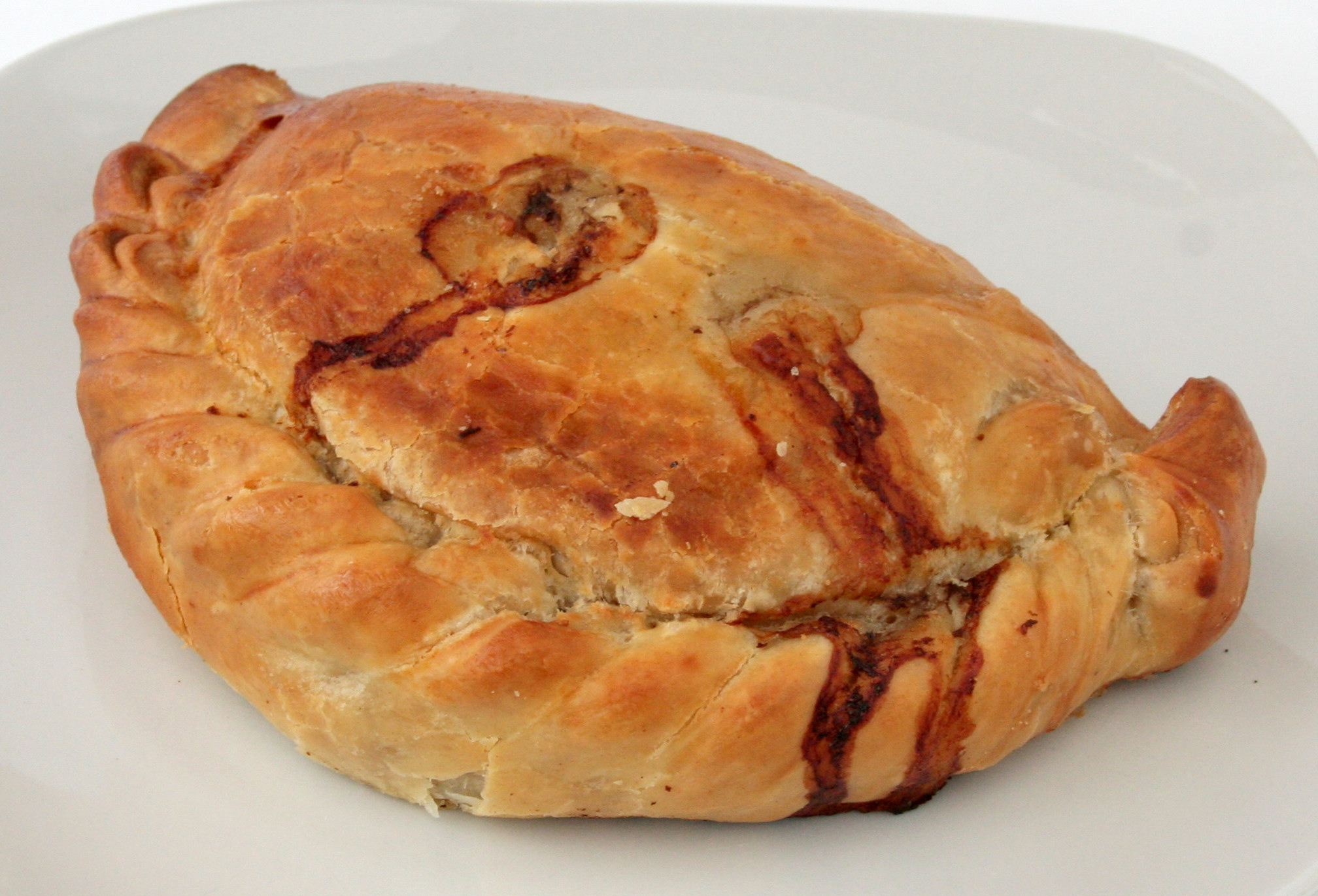
At its core, the meat pasty is a marvel of simple engineering: a robust shortcrust pastry encasing a hearty filling. The pastry, typically made from flour, fat (lard or butter), and water, is rolled into a circle, with the filling piled onto one half. The key to its success lies in the crimping technique – folding the pastry over the filling and pinching it tightly, often with a distinctive rope-like edge, to seal in the juices and prevent leakage during baking. The traditional Cornish pasty filling, protected by its PGI status, consists of raw beef, diced potato, swede (rutabaga), and onion, seasoned simply with salt and pepper. The uncooked filling is crucial; as the pasty bakes, the vegetables soften and release their moisture, creating a rich gravy that permeates the entire filling, a process meticulously detailed in culinary guides from The Great British Bake Off.
📊 Key Facts & Numbers
The pasty is far more than just a snack; it's an economic powerhouse, particularly in its homeland. The PGI status, granted in 2011, signifies the importance of maintaining traditional methods, with strict regulations dictating the ingredients and preparation of the 'Cornish Pasty,' ensuring its authenticity against a global market that sees millions of pasties sold annually by major chains like Ginsters and Greggs.
👥 Key People & Organizations
While no single individual can claim sole ownership of the pasty, its history is intertwined with countless unnamed cooks and bakers, particularly in Cornwall. However, figures like John Davis, a prominent Cornish historian, have dedicated careers to documenting the pasty's cultural journey. Organizations such as the Cornish Pasty Association play a vital role in promoting and protecting the traditional pasty, lobbying for its PGI status and educating the public. Major commercial producers like Ginsters, founded in 1969 by Jeff Gregory, and Greggs, established in 1939 by John Gregg, have been instrumental in popularizing the pasty nationwide and internationally, though not always adhering to the strict PGI guidelines.
🌍 Cultural Impact & Influence
The meat pasty's influence extends far beyond the British Isles, carried across the globe by the Cornish diaspora during the 19th-century mining booms. In Australia, particularly in South Australia, the 'Kerrigan's Pasty' and variations are deeply ingrained in local cuisine, a direct legacy of Cornish miners in regions like Burra. Similarly, in North America, pasty shops can be found in mining towns from Michigan's Upper Peninsula to parts of Canada, serving as edible monuments to early settlers. The pasty has also permeated popular culture, appearing in literature, film, and art, often symbolizing working-class heritage and regional identity, a sentiment captured in the enduring popularity of pasty festivals and competitions held annually in towns like Redruth.
⚡ Current State & Latest Developments
The pasty market in 2024 remains robust, with established brands like Ginsters and Greggs continuing to dominate supermarket shelves and high streets. However, the artisanal and independent pasty shop sector is also thriving, with many small businesses focusing on traditional recipes and locally sourced ingredients, often competing for awards at events like the World Pasty Championships. There's a growing trend towards innovation, with producers experimenting with vegetarian, vegan, and gluten-free options, alongside more adventurous fillings like chicken tikka or Moroccan lamb, challenging the definition of a 'traditional' pasty. The ongoing debate around PGI compliance and the proliferation of 'Cornish-style' pasties outside the designated region continue to shape the industry's landscape.
🤔 Controversies & Debates
The most significant controversy surrounding the meat pasty revolves around its PGI status. While the 'Cornish Pasty' is protected, the broader term 'pasty' is not, leading to widespread production and sale of 'Cornish-style' pasties that do not meet the strict ingredient and preparation criteria. This has led to accusations of misrepresentation and a dilution of the authentic Cornish product, a point frequently raised by the Cornish Pasty Association. Furthermore, debates persist about the 'proper' filling, with regional variations in ingredients and crimping techniques sparking passionate discussions among enthusiasts. The rise of vegan and vegetarian alternatives also sparks debate among traditionalists, who question whether these modern interpretations can truly be called pasties.
🔮 Future Outlook & Predictions
The future of the meat pasty appears to be a blend of tradition and innovation. Expect to see continued efforts to uphold and enforce the PGI status of the Cornish Pasty, potentially leading to stricter regulations and greater consumer awareness. Simultaneously, the drive for new flavors and dietary accommodations will likely accelerate, with vegan, gluten-free, and exotic meat fillings becoming more commonplace. The global reach of the pasty is also set to expand, with increased export opportunities and the potential for pasty-themed tourism. Experts predict a continued dual market: a strong demand for the authentic, PGI-certified Cornish Pasty, alongside a burgeoning market for creative, globally-inspired pasty variations, potentially reaching new consumer demographics and international markets by 2030.
💡 Practical Applications
The meat pasty's primary application is as a convenient, portable, and complete meal. It's a staple in British bakeries, cafes, and supermarkets, often sold as a grab-and-go lunch item. Beyond casual consumption, pasties are a popular choice for outdoor events, picnics, and packed lunches for workers in various industries, echoing their historical use. They are also a significant component of the catering industry, particularly in the UK and countries with a strong Cornish heritage. The versatility of the pasty means it can range from a humble, budget-friendly meal to a gourmet offering, depending on the ingredients and preparation, making it adaptable for diverse culinary contexts and consumer preferences.
Key Facts
- Category
- culture
- Type
- concept