
Contents
Overview
The genesis of memory foam, and by extension memory foam pillows, traces back to NASA's Ames Research Center. Project engineers sought to improve the safety and comfort of aircraft pilot and passenger seats by developing a material that could evenly distribute pressure and absorb shock. This led to the creation of 'slow-recovery foam,' a polyurethane-based substance with unique viscoelastic properties. While NASA's initial application was aerospace, the material's potential for medical and consumer use was soon recognized. Companies like Tempur-Pedic (originally Fagerdala World of Comfort in Sweden) refined the technology for consumer products, eventually bringing memory foam mattresses and pillows to the mainstream consumer market. This transition marked a significant shift from a niche aerospace material to a ubiquitous bedding product.
⚙️ How It Works
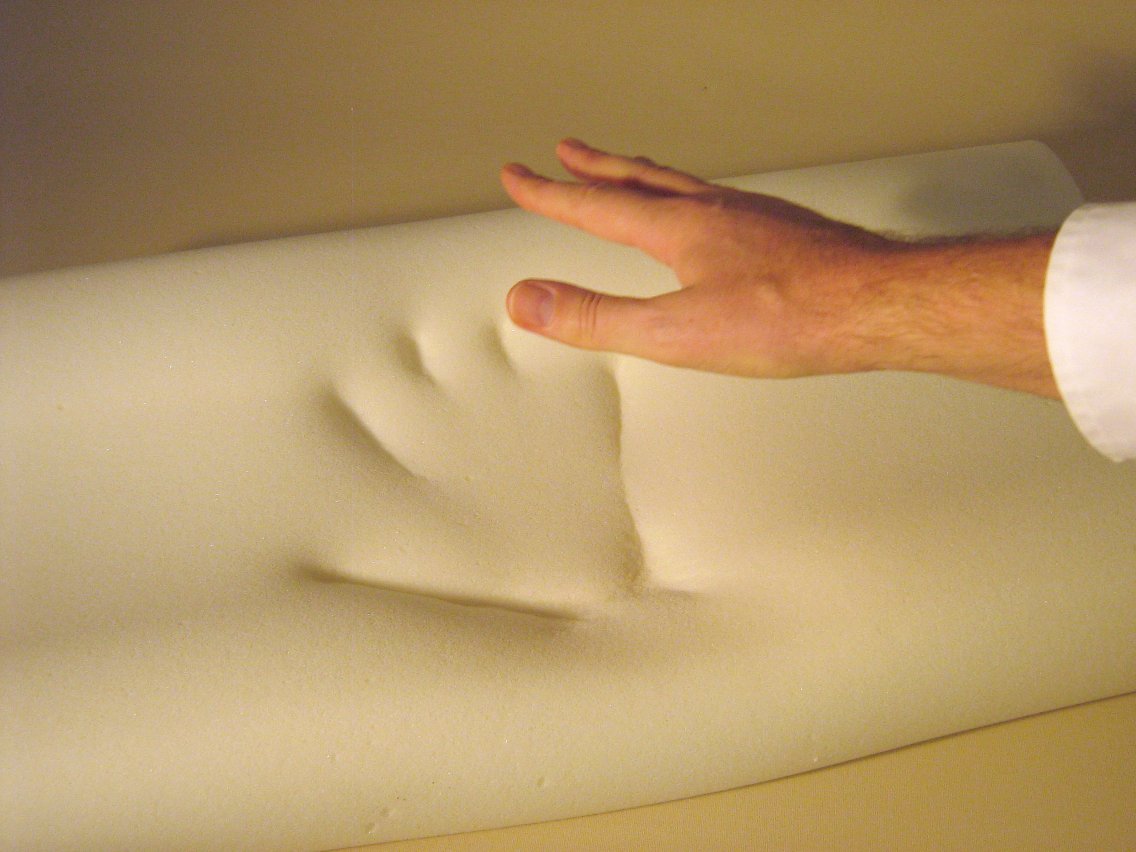
Memory foam pillows function through a sophisticated interplay of polymer science and thermodynamics. The core material is polyurethane, to which various proprietary additives are introduced to create its characteristic viscoelasticity. This means it exhibits both viscous (fluid-like) and elastic (spring-like) properties. When a user's head and neck apply pressure and heat, the foam's open-cell structure compresses and softens, allowing it to mold precisely to the contours of the user. This contouring effect distributes weight evenly, reducing pressure points that can cause discomfort or pain. Upon removal of the pressure, the foam slowly returns to its original shape, a process that can take anywhere from a few seconds to several minutes depending on the foam's density and formulation, a characteristic that distinguishes it from standard foams.
📊 Key Facts & Numbers
The global market for memory foam pillows is substantial. Over 40% of consumers in developed nations now own at least one memory foam pillow, a testament to its widespread adoption since its commercialization. The average price for a standard memory foam pillow ranges from $40 to $80, though premium models can exceed $150. The density of memory foam typically ranges from 3 to 8 pounds per cubic foot (pcf), with higher densities generally correlating with greater durability and support, but also potentially increased heat retention.
👥 Key People & Organizations
While NASA pioneered the foundational technology, the commercialization and popularization of memory foam pillows are largely credited to Tempur-Pedic. Key figures in its development include Dr. Charles Yost, who worked on the original NASA project, and the engineers at Tempur-Pedic who refined the material for consumer products. Beyond Tempur-Pedic, numerous bedding companies like Sleep Number, Tuft & Needle, and Casper Sleep have entered the market, often introducing their own variations and marketing strategies. Retail giants such as Bed Bath & Beyond (prior to its restructuring) and online mattress retailers like Amazon.com have also played significant roles in distribution and accessibility.
🌍 Cultural Impact & Influence
Memory foam pillows have profoundly reshaped consumer expectations for sleep comfort and support. They are frequently recommended by chiropractors and physical therapists for individuals experiencing neck pain, headaches, or snoring, contributing to their cultural cachet as a 'health-conscious' sleep product. The rise of direct-to-consumer (DTC) mattress and pillow companies, such as Casper Sleep and Tuft & Needle, heavily leveraged memory foam's perceived benefits in their marketing, creating a significant cultural wave around 'bed-in-a-box' solutions. This has influenced not only the bedding industry but also broader consumer trends towards personalized wellness and optimized home environments.
⚡ Current State & Latest Developments
The memory foam pillow market in 2024 is characterized by intense competition and continuous innovation. Brands are actively developing new formulations to address common criticisms, particularly heat retention. This includes the integration of cooling gel infusions, phase-change materials, and open-cell designs that promote airflow. Hybrid pillows, combining memory foam with traditional fill materials like down or latex, are also gaining traction. Furthermore, the market is seeing a rise in specialized pillows, such as cervical pillows designed for specific neck support needs and adjustable pillows allowing users to customize loft and firmness. The DTC model continues to dominate, with companies like Helix Sleep offering personalized pillow recommendations based on sleep position and body type.
🤔 Controversies & Debates
The primary controversies surrounding memory foam pillows revolve around heat retention and off-gassing. Traditional memory foam can trap body heat, leading to uncomfortable sleeping temperatures for some individuals, a phenomenon often referred to as the 'hot pillow' effect. While manufacturers have introduced cooling technologies, their efficacy is debated. Another concern is 'off-gassing,' the release of volatile organic compounds (VOCs) from the foam during the initial period after unpacking. While most reputable brands adhere to safety standards like CertiPUR-US certification, which limits harmful chemicals, some consumers remain wary of potential health impacts. Durability and the tendency for some lower-quality foams to develop permanent indentations over time also fuel debate.
🔮 Future Outlook & Predictions
The future of memory foam pillows likely involves further advancements in material science and personalized sleep solutions. Expect to see more sophisticated cooling technologies integrated directly into the foam matrix, potentially utilizing advanced polymers or microencapsulation. The trend towards customization will likely accelerate, with pillows offering adjustable firmness, loft, and even integrated smart features for sleep tracking. Biometric feedback could eventually lead to pillows that dynamically adjust their support throughout the night based on the user's sleep stage and position. The development of more sustainable and eco-friendly memory foam alternatives, perhaps derived from plant-based polyols, is also a significant area of research and development.
💡 Practical Applications
Memory foam's unique properties lend themselves to a variety of applications beyond pillows. In the medical field, memory foam is used in orthotic inserts, wheelchair cushions, and hospital bed mattresses to prevent pressure sores and improve patient comfort. It's also found in automotive seating to enhance driver comfort on long journeys and in protective gear for sports, offering shock absorption. In footwear, memory foam insoles provide cushioning and support. The principle of conforming to pressure and heat is broadly applicable wherever customized support and shock absorption are desired, from ergonomic office chairs to specialized padding in musical instrument cases.
Key Facts
- Category
- technology
- Type
- product