
Contents
Overview
Mexican Muralism, born from the ashes of the Mexican Revolution, is an art movement that transformed public buildings into canvases for national identity and social commentary. Spearheaded by "The Big Three"—Diego Rivera, José Clemente Orozco, and David Alfaro Siqueiros—this movement, flourishing from the 1920s through the 1970s, aimed to educate and inspire the populace with grand narratives of Mexico's history, indigenous heritage, and revolutionary ideals. These large-scale, didactic artworks, often painted directly onto walls, served as powerful tools for nation-building and political discourse, solidifying a unique visual language that resonated globally. While the "Big Three" dominated the scene, numerous other artists, including women, contributed significantly to this enduring artistic legacy, making Mexican Muralism a cornerstone of 20th-century art and a potent symbol of cultural sovereignty.
🎵 Origins & History
The genesis of Mexican Muralism is inextricably linked to the tumultuous aftermath of the Mexican Revolution (1910–1920). The Secretariat of Public Education, under José Vasconcelos, commissioned artists to create murals in public spaces. This initiative began in the early 1920s and was not merely about beautification; it was a deliberate strategy to instill a sense of national pride, educate a largely illiterate population about their history and culture, and promote revolutionary ideals. Precursors can be traced to indigenous art forms and earlier European fresco traditions, but Mexican Muralism synthesized these influences into a distinctly nationalistic and politically charged aesthetic, aiming to create art for the people, accessible to all.
⚙️ The Art of the Wall
At its core, Mexican Muralism is defined by its monumental scale and its direct application to architectural surfaces, primarily using fresco techniques. The "art of the wall" meant that the artwork was inseparable from the building it adorned, creating an immersive experience for the viewer. Artists like Diego Rivera employed bold lines, vibrant colors, and often narrative compositions to convey complex themes. The choice of public buildings—schools, government offices, hospitals—underscored the movement's commitment to accessibility and its role as a public service. The materials themselves, often durable pigments mixed with plaster, were chosen for longevity, ensuring the messages would endure for generations, a testament to the artists' commitment to lasting social impact.
📊 Scale and Impact
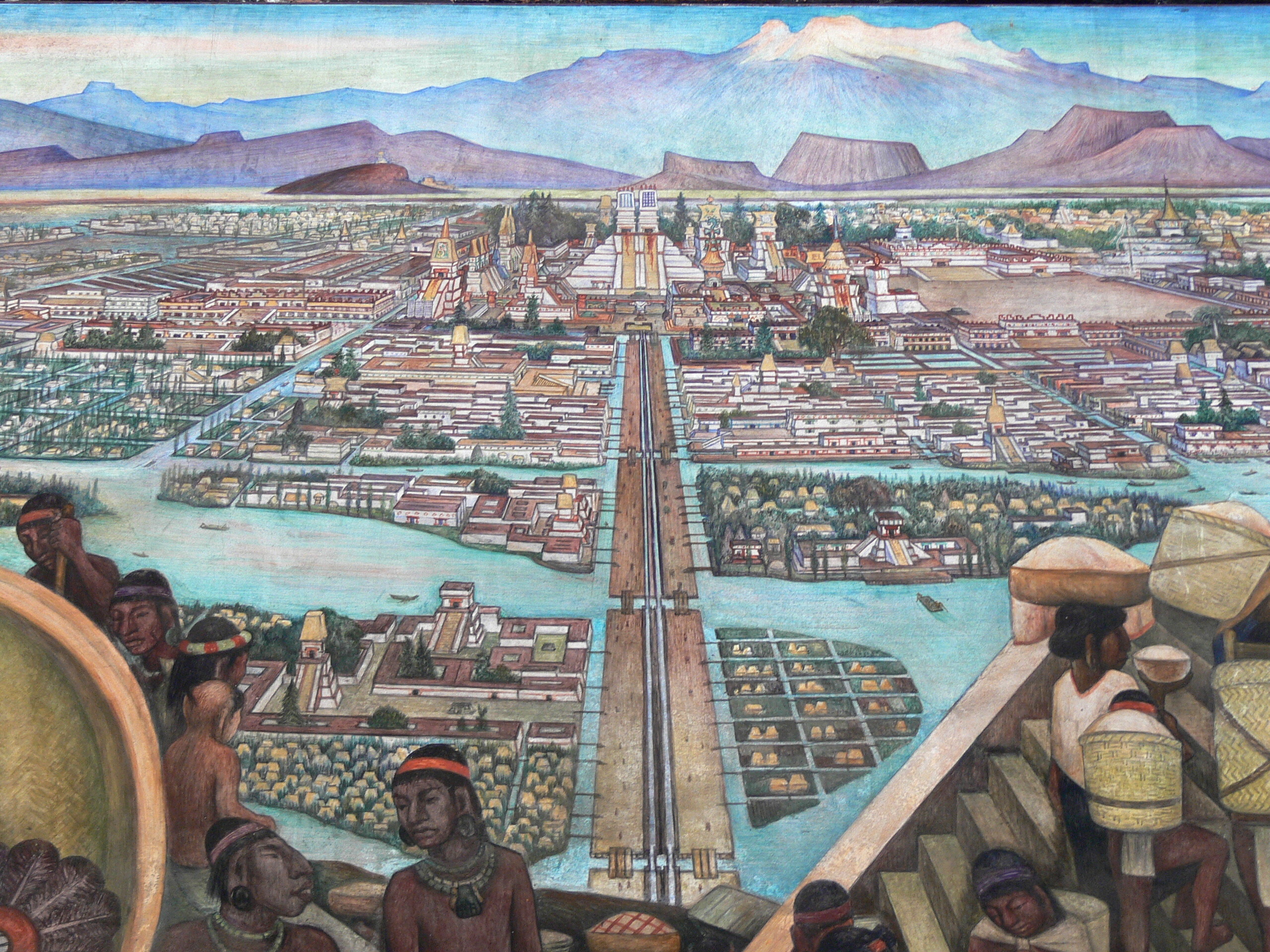
The sheer scale of Mexican Muralism is staggering, with thousands of square meters of wall space covered across Mexico and beyond. From the early 1920s to the late 1970s, an estimated 10,000 murals were created, many of them immense in scope. For instance, Diego Rivera's "Epic of the Mexican People in the History of Mexico" at the National Palace in Mexico City spans over 250 square meters. This prolific output was fueled by government patronage and a burgeoning sense of national artistic purpose, making it one of the most significant public art projects of the 20th century. The movement's influence extended to an estimated 50,000 artists who participated in various capacities, from apprentices to independent muralists, amplifying its reach and impact.
👥 The Masters and Their Circle
The undisputed titans of Mexican Muralism are "The Big Three": Diego Rivera, José Clemente Orozco, and David Alfaro Siqueiros. Rivera, known for his epic historical narratives and social commentary, often depicted the struggles and triumphs of the working class. José Clemente Orozco, with his more somber and critical perspective, explored themes of war, suffering, and the darker aspects of human nature. David Alfaro Siqueiros, a staunch communist and innovator in technique, experimented with industrial paints and dynamic compositions, often focusing on revolutionary fervor. Beyond these giants, artists like Remedios Varo (though more associated with Surrealism, her early work touched on muralistic themes), María Izquierdo, and Rachel Levine (though primarily an American artist, her work was influenced by the movement) also contributed significantly, though often facing greater challenges for recognition.
🌍 Global Resonance
The impact of Mexican Muralism reverberated far beyond Mexico's borders, inspiring artists and social movements worldwide. In the United States, the Works Progress Administration (WPA)'s Federal Art Project adopted many of the didactic and public-focused principles of Mexican Muralism. Artists like Jackson Pollock (in his early career), Thomas Hart Benton, and Ben Shahn created murals for American public buildings, grappling with themes of national identity and social issues. The movement also influenced artists in Europe, Latin America, and even as far as India, demonstrating a universal appeal for art that spoke directly to the people and addressed pressing social and political concerns.
⚡ Modern Manifestations
While the golden age of government-sponsored muralism waned by the late 20th century, its spirit endures. Contemporary artists continue to engage with public art, often drawing inspiration from the legacy of Mexican Muralism. Urban art and graffiti movements, while distinct, share a common thread of reclaiming public space for artistic expression and social commentary. Organizations like Street Art United States and initiatives in cities like Los Angeles and New York City continue to commission and support large-scale public artworks that engage with community issues, echoing the original intent of the muralist movement. The ongoing dialogue between tradition and innovation keeps the practice alive and relevant.
🤔 Debates and Criticisms
Mexican Muralism has not been without its critics. Some have argued that the movement, particularly under government patronage, became overly propagandistic, prioritizing state ideology over artistic freedom. The dominance of the "Big Three" also led to a marginalization of other artists, particularly women, whose contributions were often overlooked or relegated to secondary roles. Furthermore, the didactic nature of the murals, while effective for its time, has been criticized by some as being overly literal or lacking in aesthetic subtlety. The debate continues regarding the balance between art's role in social activism and its intrinsic aesthetic value, a tension inherent in any politically engaged art form.
🔮 The Enduring Canvas
The future of muralism, inspired by its Mexican roots, lies in its adaptability and continued relevance to contemporary social issues. As cities grapple with gentrification, social justice, and environmental concerns, murals offer a powerful medium for dialogue and community expression. Emerging technologies, such as augmented reality overlays on murals, are beginning to blend the physical and digital, creating new layers of meaning and interaction. The movement's core principle—art for the people, on public walls—remains a potent force, suggesting that as long as societies face challenges and aspire to collective identity, the art of the mural will continue to evolve and inspire.
💡 Public Art and Education
Beyond their aesthetic appeal, Mexican murals served a crucial pedagogical function. They were designed as visual textbooks, educating citizens about pre-Hispanic civilizations like the Maya and Aztecs, the struggles of the revolution, and the aspirations for a new Mexico. Schools and universities became primary sites for these artistic lessons, integrating art directly into the educational landscape. This approach democratized art, making it an accessible tool for learning and civic engagement, a stark contrast to the often elitist nature of gallery-bound art. The murals fostered a shared visual culture, reinforcing national narratives and collective memory for millions.
📚 Further Exploration
For those seeking to understand the depth and breadth of Mexican Muralism, further exploration is highly recommended. The Palacio de Bellas Artes in Mexico City houses seminal works by all three major muralists, offering a concentrated immersion. Visiting the National Palace to witness Rivera's epic cycle is essential. Beyond Mexico, exploring the WPA murals across the United States, particularly in cities like New York City and San Francisco, reveals the movement's international influence. Academic texts by scholars such as David Craven and Raquel Tibol provide critical analyses of the movement's history, politics, and artistic innovations, offering deeper insights into this transformative art form.
Key Facts
- Category
- movements
- Type
- movement