
Contents
Overview
Military medicine is the specialized field dedicated to the health and well-being of service members, encompassing everything from battlefield trauma care and disease prevention to the unique physiological and psychological demands of military service. It bridges the gap between civilian healthcare and the extreme environments and operational pressures faced by armed forces globally. Historically, it has been a crucible for medical innovation, driving advancements in surgery, infectious disease control, and trauma management that often trickle down to civilian practice. With origins stretching back to ancient armies, modern military medicine grapples with 21st-century challenges like psychological trauma, cyber warfare's impact on health, and the logistics of global deployment, making it a dynamic and critical component of national security and human resilience. Its practitioners are not just doctors and nurses, but also logisticians, researchers, and public health experts operating at the sharp end of human endurance.
🎵 Origins & History
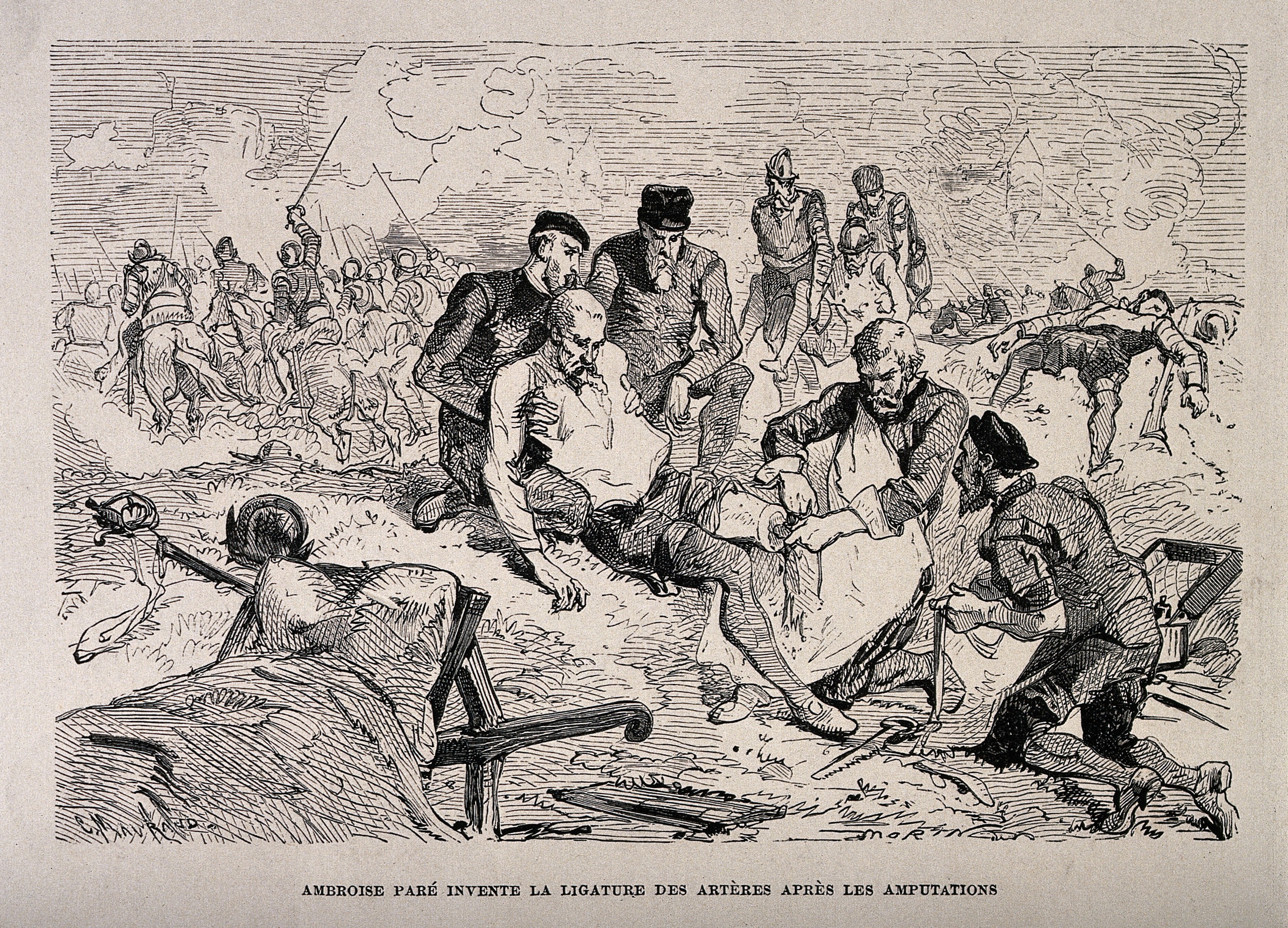
The roots of military medicine are as old as organized warfare itself. Ancient civilizations recognized the need to treat the wounded to maintain fighting strength. Dominique Jean Larrey pioneered rapid evacuation and triage techniques. The American Civil War spurred advancements in amputation, infection control, and the establishment of military hospitals. World War I and II further accelerated innovation, particularly in surgical techniques, blood transfusions, and the understanding of infectious diseases like malaria and trench fever, driven by the sheer volume of casualties and the global reach of conflict. The establishment of dedicated military medical corps formalized these efforts, creating institutions that would shape modern medical practice.
⚙️ How It Works
Readiness involves proactive measures like vaccinations and infectious disease surveillance. Occupational health monitoring includes checking for noise-induced hearing loss in artillery units or decompression sickness in submariners. The logistical challenge of delivering care in austere or hostile environments, often with limited resources, defines its unique operational framework, requiring robust medical logistics and adaptable medical units.
📊 Key Facts & Numbers
The scale of military medicine is staggering. Military medical research budgets often exceed billions annually, funding studies into areas like traumatic brain injury (TBI), post-traumatic stress disorder (PTSD), and advanced prosthetics. The journal Military Medicine, founded in 1891, has published thousands of studies, with its articles frequently cited in civilian medical literature, demonstrating a significant return on investment for medical innovation.
👥 Key People & Organizations
Key figures and organizations have shaped military medicine. Dominique Jean Larrey, Napoleon's chief surgeon, revolutionized battlefield triage. Clara Barton, founder of the American Red Cross, gained invaluable experience during the American Civil War. The World Health Organization (WHO) and the International Committee of the Red Cross (ICRC) play crucial roles in global health and humanitarian aid, often working alongside military medical efforts in disaster zones. Within national militaries, specialized branches like the Royal Army Medical Corps (UK) and the U.S. Navy Medical Corps are central to operational health. Institutions like the Uniformed Services University of the Health Sciences (USUHS) in the U.S. are dedicated to training military medical professionals.
🌍 Cultural Impact & Influence
Military medicine's influence extends far beyond the barracks. Innovations born from battlefield necessity have profoundly impacted civilian healthcare. Helicopter evacuation, initially developed for military casualty retrieval, is now standard for civilian emergency medical services. Advances in trauma surgery, burn care, and resuscitation techniques, honed in combat zones, have dramatically improved outcomes for civilian trauma patients. The understanding and treatment of PTSD and other psychological sequelae of extreme stress owe much to military research. Furthermore, military medical research has driven progress in fields like regenerative medicine, biotechnology, and the development of wearable health monitoring devices.
⚡ Current State & Latest Developments
The current landscape of military medicine is defined by evolving threats and technological integration. The rise of cyber warfare presents new challenges, impacting not just infrastructure but potentially the psychological well-being of personnel through information operations. The ongoing focus on TBI and PTSD reflects the persistent invisible wounds of modern conflict. Telemedicine and remote diagnostics are increasingly employed to extend care to dispersed units. Furthermore, military medical services are often at the forefront of responding to global health crises and natural disasters, as seen in their roles during the Ebola outbreak response in West Africa and humanitarian missions worldwide. The integration of artificial intelligence in diagnostics and predictive health analytics is also a rapidly developing area.
🤔 Controversies & Debates
Significant controversies surround military medicine. The ethical implications of battlefield medical interventions, particularly concerning the use of experimental treatments or the balance between treating enemy combatants and allied forces, are perennial debates. The long-term care and recognition of veterans suffering from TBI and PTSD remain contentious issues in many nations, with debates over adequate funding, access to care, and the societal stigma associated with mental health conditions. The development and deployment of chemical and biological countermeasures, while defensive, also raise ethical questions about dual-use research. The privatization of military medical services in some countries has also sparked debate regarding accountability and quality of care.
🔮 Future Outlook & Predictions
The future of military medicine will likely be shaped by increasing technological sophistication and the nature of future conflicts. Expect further integration of AI for predictive diagnostics, robotic surgery in austere environments, and advanced virtual reality for training and rehabilitation. The challenge of maintaining mental health resilience in an era of persistent, often asymmetric warfare will intensify, demanding innovative therapeutic approaches. As conflicts potentially become more technologically driven and less geographically bound, military medical services will need to adapt to new forms of injury and stress, potentially including those arising from space-based operations or advanced nanotechnology applications. The line between military and civilian medicine may continue to blur as shared threats and technologies emerge.
💡 Practical Applications
Military medicine's practical applications are vast and directly impact both service members and civilians. Battlefield surgical techniques, including damage control surgery and tourniquet use, are now standard in civilian trauma centers, saving countless lives. The development of portable diagnostic equipment, like portable ultrasound devices, originated from military needs for field deployment. Research into sleep deprivation and fatigue management, crucial for pilots and ground troops, informs civilian occupational health strategies. Furthermore, military medical personnel often provide essential healthcare services in remote or underserved civilian communities during peacetime deployments or disaster relief operations, bridging
Key Facts
- Category
- science
- Type
- topic