
Contents
Overview
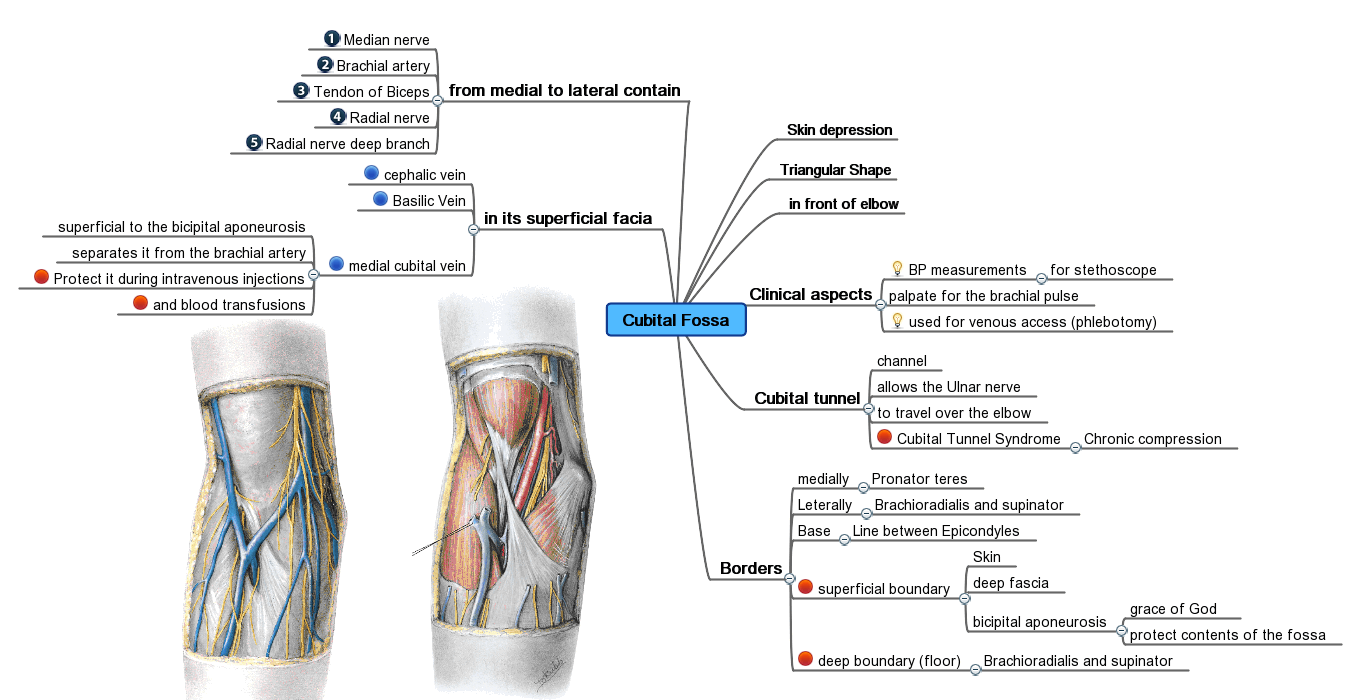
Mind mapping is a graphical technique for visualizing information, organizing ideas hierarchically around a central concept. Originating from the work of Tony Buzan in the 1970s, it transforms linear notes into radiant structures, mimicking the brain's associative thinking. Typically, a mind map features a single image or word at its core, with related ideas branching outwards like tree limbs, further subdividing into sub-topics. This method enhances creativity, memory recall, and problem-solving by engaging both logical and imaginative parts of the brain. While traditionally sketched by hand, mind mapping has exploded into the digital realm with numerous software applications like MindMeister, XMind, and MindManager, facilitating collaboration and complex project management. Its applications span education, business strategy, personal planning, and creative brainstorming, making it a versatile tool for anyone seeking to structure and expand their thinking.
🎵 Origins & History
The conceptual seeds of mind mapping were sown long before the term itself was coined. Ancient Greek philosophers like Aristotle explored hierarchical structures of knowledge, and Ramon Llull in the 13th century developed complex diagrammatic methods for organizing thought. The modern practice of mind mapping is attributed to Tony Buzan, a British author and consultant, who popularized the technique. Buzan's approach, influenced by Albert Einstein's reportedly non-linear thinking and Leonardo da Vinci's notebooks, emphasized radiant thinking, using keywords, colors, and images to stimulate the brain's natural associative processes. He established a global framework for its teaching and application through the Mind Mapping International organization.
⚙️ How It Works
At its core, mind mapping is about visual hierarchy and association. The process begins with a central topic, often represented by an image or a single keyword, placed in the middle of a blank page or digital canvas. From this core, main branches extend outwards, each representing a primary idea or sub-topic directly related to the central theme. These main branches then sprout secondary and tertiary branches, delving into finer details and supporting information. Key elements include the use of colors to differentiate branches, keywords instead of full sentences to encourage concise thinking, and images or symbols to enhance memory and understanding. The radiant structure mirrors how neurons connect in the brain, facilitating fluid idea generation and recall, moving away from the rigid linearity of traditional note-taking.
📊 Key Facts & Numbers
The global market for mind mapping software is substantial. Over 500 million people worldwide are estimated to use mind mapping software regularly for various purposes. In corporate settings, many businesses report using visual thinking tools, including mind maps, for strategic planning and project management. The average user spends between 30 minutes to 2 hours per session creating or reviewing a mind map, depending on the complexity of the task.
👥 Key People & Organizations
The most prominent figure in popularizing mind mapping is Tony Buzan (1942-2019), the British author and self-help guru who coined the term and developed the systematic approach. His work laid the foundation for countless practitioners and software developers. Key organizations include Mind Mapping International, founded by Buzan to promote and certify mind mapping techniques. In the software domain, companies like XMind, MindMeister, and MindManager (originally founded as Inspiration Software in 1988, later rebranded) have become major players, offering sophisticated digital tools. Buzan Organisation continues to offer training and accreditation.
🌍 Cultural Impact & Influence
Mind mapping has profoundly influenced how individuals and organizations approach learning, problem-solving, and creativity. In education, it's widely adopted as a pedagogical tool to help students visualize complex subjects, organize essays, and prepare for exams, moving beyond rote memorization. Businesses leverage mind maps for brainstorming sessions, strategic planning, project management, and meeting facilitation, fostering more collaborative and innovative environments. The technique has also permeated personal development, aiding in goal setting, journaling, and organizing daily tasks. Its visual nature makes information more accessible and engaging, contributing to a broader cultural shift towards more intuitive and less linear information processing, influencing everything from presentation design to personal productivity methodologies.
⚡ Current State & Latest Developments
The mind mapping landscape in 2024 is characterized by increasingly sophisticated software features and broader integration into professional workflows. Cloud-based platforms like MindMeister and Coggle are enhancing real-time collaboration capabilities, allowing multiple users to contribute to a single map simultaneously. AI integration is a growing trend, with tools beginning to offer AI-powered suggestions for branch expansion, keyword generation, and even automated mind map creation from text inputs. Furthermore, mind mapping is being integrated into broader project management suites and knowledge management systems, such as Notion and Obsidian, positioning it as a core component of digital productivity ecosystems. The focus is shifting from standalone mapping tools to embedded visual thinking functionalities within larger platforms.
🤔 Controversies & Debates
A significant debate surrounds the true origin and uniqueness of mind mapping. While Tony Buzan is credited with popularizing the term and method, critics point to earlier visual thinking techniques like concept mapping developed by Joseph Novak and graphic facilitation as precursors. Some argue that Buzan's approach is overly prescriptive and that the emphasis on single keywords and images can be limiting for complex analytical tasks. Another point of contention is the effectiveness of digital versus analog mind mapping; while software offers collaboration and scalability, some purists maintain that hand-drawn maps foster deeper cognitive engagement and creativity.
🔮 Future Outlook & Predictions
The future of mind mapping appears deeply intertwined with advancements in artificial intelligence and augmented reality. AI is poised to transform mind mapping from a manual creation process into a dynamic, intelligent assistant that can suggest ideas, organize information autonomously, and even predict project outcomes based on mapped data. Augmented reality (AR) offers the potential for immersive, three-dimensional mind maps that users can navigate and interact with spatially, potentially revolutionizing collaborative brainstorming and complex data visualization. We can anticipate mind mapping becoming more deeply embedded within operating systems and productivity suites, acting as an intuitive interface for managing vast amounts of information.
💡 Practical Applications
Mind mapping finds practical application across a vast spectrum of human endeavor. In education, students use it for note-taking, essay planning, and studying for exams. Professionals employ it for brainstorming new product ideas, outlining business strategies, managing complex projects, and preparing presentations. Personal users find it invaluable for goal setting, decision-making, problem-solving, and organizing personal information. Therapists and coaches utilize it to help clients explore thoughts and emotions, while writers use it for plot development and character mapping. The simplicity and visual nature make it adaptable for nearly any task requiring organization of thoughts or information, from planning a wedding to designing a software architecture.
Key Facts
- Category
- technology
- Type
- topic