
Contents
Overview
The lineage of the mountain gorilla traces back millions of years, diverging from other great apes in the dense forests of Africa. The specific subspecies is believed to have evolved in isolation, adapting to the unique high-altitude environments of the Virunga and Bwindi regions. Early scientific encounters were fraught with misunderstanding, often portraying these magnificent creatures as monstrous beasts. It wasn't until the pioneering work of primatologists like Dian Fossey in the 1960s and 70s, who established the Karisoke Research Center, that a deeper understanding and appreciation for their complex social structures and individual personalities began to emerge. Fossey's dedication, though ultimately tragic, laid crucial groundwork for modern conservation efforts, highlighting the urgent need to protect these primates from escalating human pressures.
⚙️ How They Live
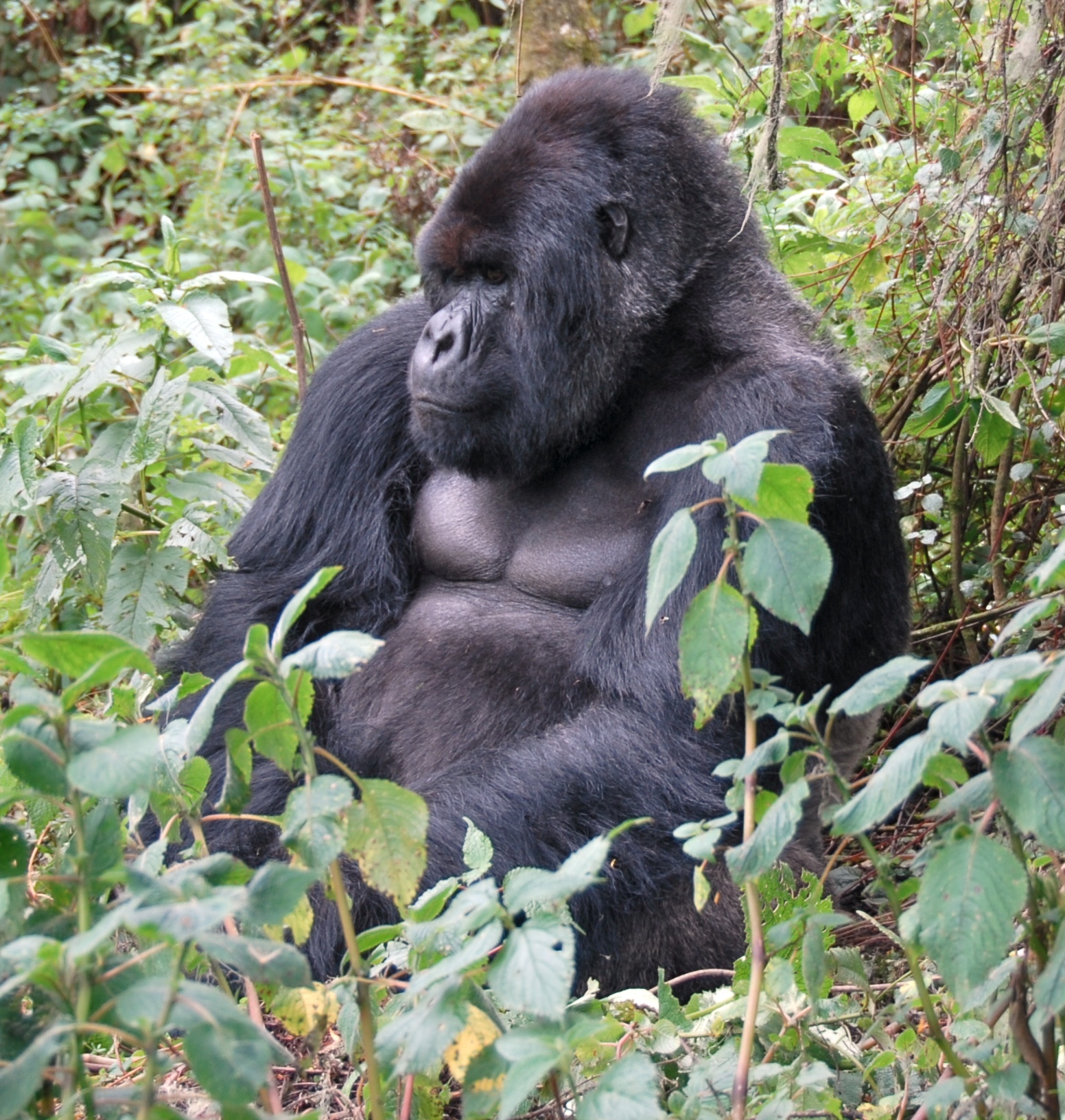
Mountain gorillas are social animals, living in stable family groups led by a dominant adult male known as a silverback. These groups typically consist of several adult females, their offspring, and a few younger males. Their days are spent foraging for vegetation, which makes up the vast majority of their diet, including leaves, stems, roots, and fruits, supplemented occasionally by insects. They construct new nests of vegetation each day, usually on the ground, to rest and sleep. Communication is complex, involving a range of vocalizations, facial expressions, and body postures, allowing for intricate social interactions within the group and with other gorilla families. Their immense strength, with males weighing up to 400 pounds (180 kg), is rarely used aggressively within their own social units, but rather for defense and display.
📊 Key Facts & Numbers
Two distinct populations of mountain gorillas exist. One population of mountain gorillas is in the Virunga Mountains, which span Rwanda, Uganda, and the Democratic Republic of Congo. Another population of mountain gorillas is in Uganda's Bwindi Impenetrable National Park. Mountain gorillas are primarily herbivorous. The IUCN currently lists the mountain gorilla as Endangered, a classification reflecting the persistent threats they face. Poaching remains a threat, though greatly reduced due to intensive anti-poaching patrols, with an estimated 10-20 snares found per square kilometer in some areas. Habitat loss due to agricultural expansion and human settlement encroaches on their territories, while diseases, including respiratory infections, pose a significant risk, especially given their close genetic proximity to humans.
👥 Key People & Organizations
The conservation of mountain gorillas has been a monumental undertaking, driven by dedicated individuals and organizations. Dian Fossey's groundbreaking research and advocacy in the Virunga Mountains, though controversial, brought global attention to their plight. The Gorilla Conservation Coffee initiative in Rwanda, for example, directly links consumer purchases to funding conservation efforts and supporting local communities. Organizations like the Dian Fossey Gorilla Fund International continue her legacy, employing trackers, researchers, and community outreach programs. The Uganda Wildlife Authority (UWA) and Rwanda Development Board (RDB) are crucial governmental bodies implementing park management and anti-poaching strategies. Conservationists like Kallista Mutwale have been instrumental in community engagement, fostering local support for gorilla protection.
🌍 Cultural Impact & Influence
Mountain gorillas hold a significant place in African folklore and global conservation consciousness. Indigenous communities living near their habitats often hold them in high regard, sometimes viewing them as ancestral spirits or powerful beings. In popular culture, they have been depicted in numerous documentaries, films, and books, often symbolizing the wild, untamed spirit of nature and the urgent need for its preservation. The success of conservation efforts, particularly the population increase in the Virunga region, has been hailed as a triumph of dedicated conservation work, influencing strategies for other endangered species. However, their image is also tied to the risks of ecotourism, raising questions about the ethical implications of human interaction with wild animals.
⚡ Current State & Latest Developments
Continued population growth has been shown in certain areas, particularly within the Virunga Massif, where numbers have steadily climbed. This success is largely attributed to intensified anti-poaching patrols, veterinary interventions for sick gorillas, and community-based conservation programs that provide alternative livelihoods to reduce reliance on activities that threaten gorilla habitats. However, challenges persist. Political instability in parts of the Democratic Republic of Congo continues to pose a threat to gorilla populations and conservation personnel. Furthermore, the increasing popularity of gorilla trekking tourism, while a vital funding source, requires careful management to minimize stress and disease transmission to the gorillas, a delicate balance that conservationists are constantly striving to maintain.
🤔 Controversies & Debates
The primary controversy surrounding mountain gorillas revolves around the ethics and impact of gorilla trekking. While it generates crucial revenue for conservation and local communities, critics question the potential for disease transmission from humans to gorillas, given their close genetic relationship. There are also debates about the intensity of human presence in their habitat and its long-term effects on gorilla behavior and social dynamics. Some conservationists argue for stricter regulations on tourist numbers and proximity, while others emphasize the economic necessity of tourism for sustainable conservation. Another point of contention is the management of human-wildlife conflict, particularly when gorillas venture into agricultural areas, leading to potential crop damage and retaliatory actions by farmers.
🔮 Future Outlook & Predictions
The future for mountain gorillas, while cautiously optimistic, remains precarious. Continued population growth is projected if current conservation strategies are maintained and strengthened. However, the long-term viability hinges on addressing climate change impacts on their fragile mountain ecosystems and ensuring sustained political will and funding for conservation across all three range countries. The potential for increased human encroachment and the ever-present threat of disease outbreaks remain significant concerns. Experts are exploring innovative approaches, including enhanced genetic monitoring and the use of advanced surveillance technologies, to better protect and manage these populations. The ultimate success will depend on a continued global commitment to their survival.
💡 Practical Applications
The most significant practical application of studying mountain gorillas lies in the field of conservation biology and wildlife management. The success in increasing their numbers serves as a powerful case study for protecting other endangered species worldwide. Gorilla trekking tourism, when managed responsibly by organizations like the Gorilla Conservation Coffee and governmental bodies such as the Uganda Wildlife Authority, provides a vital economic incentive for local communities to protect gorilla habitats, directly funding anti-poaching patrols and conservation research. Furthermore, their complex social structures and behaviors offer ongoing insights into primate behavior and evolutionary biology, contributing to our broader understanding of the natural world.
Key Facts
- Category
- nature
- Type
- topic