
Contents
Overview
The story of Muncie begins with the Lenape people, who settled in the area under the leadership of Buckongahelas. They established villages, including one known as Munsee Town, along the White River. A significant trading post emerged, eventually renamed Muncietown. The name was officially shortened to Muncie, and the city was incorporated. Muncie's trajectory shifted dramatically with the Indiana gas boom of the 1880s, transforming it into a major manufacturing center. This industrial surge attracted significant investment and labor, laying the groundwork for its 20th-century identity. The establishment of Ball State Teachers College (now Ball State University) also began to shape its character beyond pure industry, fostering an academic and cultural presence that continues to this day.
⚙️ How It Works
Muncie's operational framework is a blend of municipal governance and educational institution influence. The city is managed by a mayor and city council, responsible for public services like infrastructure, public safety, and local economic development initiatives. The Muncie Indiana Transit System (MITS) operates the public bus network, a crucial component for mobility within the city and its surrounding areas, connecting residents to employment centers, educational institutions, and commercial districts. Ball State University functions as a major economic and cultural engine, providing employment, educational opportunities, and contributing to the local arts and sciences scene. Its presence influences local businesses, housing markets, and the overall demographic of the city, creating a dynamic interplay between civic administration and academic life.
📊 Key Facts & Numbers
As of the 2020 census, Muncie's population stood at 65,195. The Muncie metropolitan statistical area, which comprises all of Delaware County, encompasses a broader regional population. The city's median household income was reported around $45,000 in recent estimates, reflecting its economic standing. Unemployment rates have historically fluctuated with industrial performance, though the presence of Ball State University provides a stable employment sector. The city's tax base relies on a combination of property taxes, local income taxes, and state-shared revenue, funding essential services and infrastructure projects.
👥 Key People & Organizations
Key figures in Muncie's development include the Ball Brothers Company founders, whose glass manufacturing empire profoundly shaped the city's industrial past and philanthropic present, notably through the Ball Brothers Foundation. R.C. Ball and Edmund Ball were instrumental in both business expansion and community support. Buckongahelas, a Lenape chief, is recognized for leading his people to the area in the late 18th century. More recently, Geoffrey H. Baker served as President of Ball State University, overseeing significant campus developments. The Muncie Indiana Transit System (MITS) is a vital public organization, while Ball State University itself is a cornerstone institution.
🌍 Cultural Impact & Influence
Muncie's cultural identity is a complex weave of industrial heritage and academic vibrancy. The Ball Brothers Company's legacy is visible in architecture and community institutions, including the Ball State University campus, which itself is a hub for arts, theater, and music. The city has been the subject of sociological study, most famously in "Middletown" (1929), which provided a detailed ethnographic portrait of American life in a typical industrial city. This academic lens has cemented Muncie's place in discussions about American culture, class, and community. The presence of Ball State University also infuses the city with a youthful energy and a continuous influx of new ideas and cultural trends.
⚡ Current State & Latest Developments
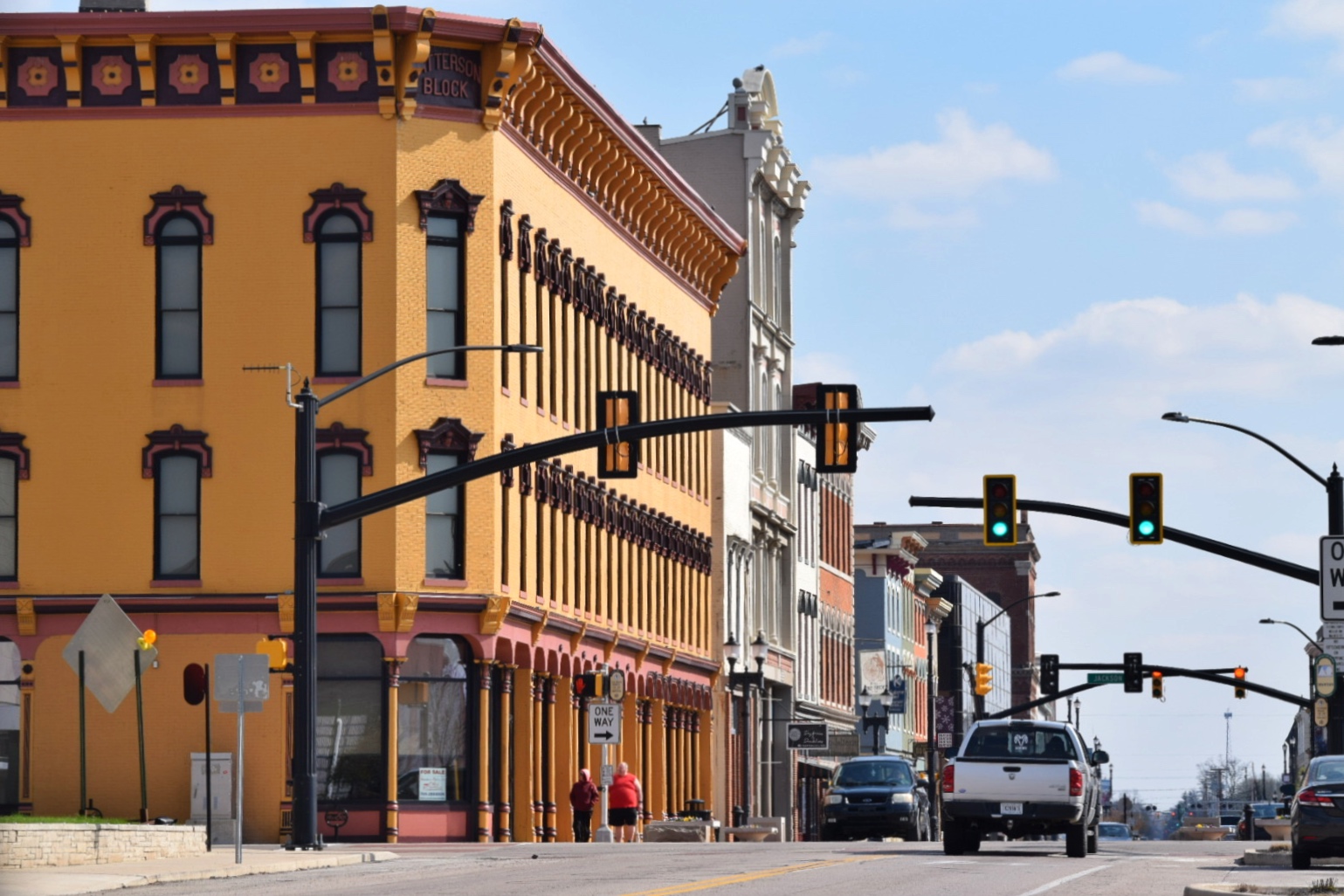
In recent years, Muncie has focused on revitalizing its downtown core and attracting new businesses, aiming to diversify its economy beyond its manufacturing roots. The city has seen investments in infrastructure, including improvements to the Muncie Indiana Transit System (MITS) and the development of public spaces. Ball State University continues to expand its research initiatives and community outreach programs, seeking to deepen its impact. Efforts are underway to leverage the city's historical assets, such as the Union Depot and other industrial-era structures, for adaptive reuse and tourism. The ongoing challenge remains balancing economic development with the preservation of community character and addressing population shifts.
🤔 Controversies & Debates
One of the most persistent debates surrounding Muncie revolves around its economic transition from a manufacturing stronghold to a post-industrial city. Critics argue that the decline of manufacturing jobs has led to persistent economic challenges and out-migration, particularly among younger residents. Conversely, proponents highlight the stabilizing influence of Ball State University and the potential for growth in sectors like healthcare, education, and technology. There's also ongoing discussion about the effectiveness of revitalization efforts and whether they are sufficiently addressing the needs of all Muncie residents. The legacy of the "Middletown" studies continues to spark debate about Muncie's identity and its representation in broader sociological discourse.
🔮 Future Outlook & Predictions
The future of Muncie appears intrinsically linked to the continued growth and influence of Ball State University. Projections suggest a focus on knowledge-based industries and the creative economy, leveraging the university's strengths in design, media, and technology. Efforts to attract remote workers and entrepreneurs, coupled with potential investments in advanced manufacturing or logistics, could offer new avenues for economic expansion. The city's leadership is likely to continue prioritizing downtown revitalization and infrastructure improvements to enhance its appeal. However, addressing long-term demographic trends, including an aging population and the need to retain young talent, will be crucial for sustained prosperity. The success of these initiatives will determine whether Muncie can successfully reinvent itself for the 21st century.
💡 Practical Applications
Muncie's primary practical application lies in its role as a center for education and regional services. Ball State University offers a wide array of academic programs, serving as a key provider of skilled graduates for the regional workforce in fields ranging from education and business to architecture and telecommunications. The Muncie Indiana Transit System (MITS) provides essential public transportation, enabling access to jobs, healthcare facilities like IU Health Ball Memorial Hospital, and educational institutions for residents without personal vehicles. The city also serves as a commercial hub for surrounding rural communities, offering retail, healthcare, and professional services that support the broader East Central Indiana region.
Key Facts
- Category
- place
- Type
- topic