
Contents
- 🎨 Origins & History
- 🖼️ Collection & Exhibitions
- 📊 Key Facts & Numbers
- 👥 Key People & Organizations
- 🌎 Cultural Impact & Influence
- 📰 Current State & Latest Developments
- 🤔 Controversies & Debates
- 🔮 Future Outlook & Predictions
- 📚 Related Topics & Deeper Reading
- 👀 Practical Applications
- Frequently Asked Questions
- References
- Related Topics
Overview
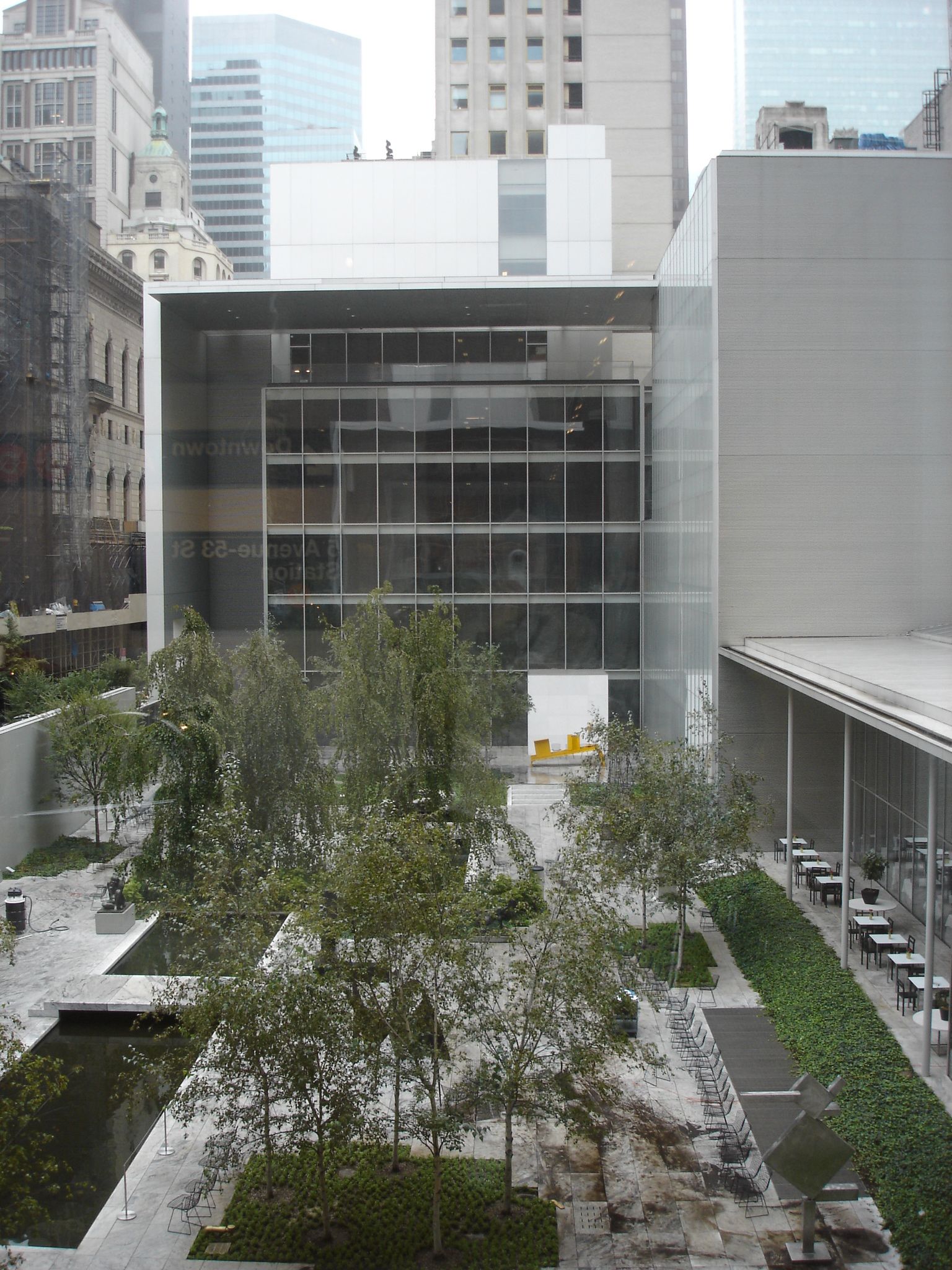
The Museum of Modern Art (MoMA) is a renowned art museum located in Midtown Manhattan, New York City, with a collection spanning the late 19th century to the present. Founded in 1929 by Abby Aldrich Rockefeller, Lillie P. Bliss, and Mary Quinn Sullivan, MoMA has been instrumental in shaping the history of modern art, particularly modern art from Europe. With over 200,000 works of architecture and design, drawing, painting, sculpture, photography, prints, illustrated and artist's books, film, as well as electronic media, MoMA's collection is a testament to the institution's commitment to innovation and creativity. As one of the most influential museums in the world, MoMA has hosted numerous groundbreaking exhibitions, including the inaugural exhibition of works by European modernists in 1929, and has played a significant role in promoting the work of artists such as Vincent van Gogh, Pablo Picasso, and Claude Monet. With a strong focus on education and community engagement, MoMA continues to inspire and educate visitors from around the world, offering a range of programs and resources, including guided tours, workshops, and online courses. As a cultural institution, MoMA has collaborated with other prominent museums, such as the Guggenheim Museum and the Metropolitan Museum of Art, to promote the arts and support emerging artists. Today, MoMA remains a leading institution in the art world, with a vibrant community of artists, curators, and collectors, and a continued commitment to showcasing the most innovative and thought-provoking works of modern and contemporary art.
🎨 Origins & History
The Museum of Modern Art (MoMA) was conceived in 1929 by Abby Aldrich Rockefeller, Lillie P. Bliss, and Mary Quinn Sullivan, with the goal of creating an institution that would showcase the most innovative and avant-garde works of modern art. The museum's first director, Alfred H. Barr Jr., played a crucial role in shaping the institution's collection and exhibitions, with a focus on European modernism and the work of artists such as Salvador Dali and Rene Magritte. The museum's inaugural exhibition, which opened in 1929, featured works by European modernists, including Paul Cezanne and Georges Braque. Over the years, MoMA has continued to expand its collection, with notable acquisitions including works by Jackson Pollock and Mark Rothko. Today, MoMA's collection is considered one of the most comprehensive and influential in the world, with a strong focus on modern and contemporary art.
🖼️ Collection & Exhibitions
MoMA's collection spans a wide range of media, including painting, sculpture, photography, prints, and electronic media. The museum's collection includes over 200,000 works, with a focus on modern and contemporary art. Some of the most notable works in the collection include Vincent van Gogh's 'Starry Night', Pablo Picasso's 'Les Demoiselles d'Avignon', and Claude Monet's 'Water Lilies'. The museum also has an extensive collection of works by contemporary artists, including Jeff Koons and Cindy Sherman. MoMA's exhibitions are designed to be engaging and thought-provoking, with a focus on showcasing the most innovative and avant-garde works of modern and contemporary art. Recent exhibitions have included a retrospective of the work of Frida Kahlo and a survey of contemporary art from around the world, featuring works by artists such as Ai Weiwei and Takashi Murakami.
📊 Key Facts & Numbers
MoMA has a number of key facts and numbers that demonstrate its significance and influence. The museum has over 3 million visitors per year, making it one of the most visited museums in the world. The museum's collection is valued at over $1 billion, with some of the most valuable works including Leonardo da Vinci's 'Mona Lisa' and Pablo Picasso's 'Guernica'. MoMA also has a strong focus on education and community engagement, with a range of programs and resources available for visitors of all ages. The museum's annual budget is over $100 million, with a significant portion dedicated to supporting emerging artists and promoting the arts. MoMA has also partnered with other prominent museums, such as the Tate Modern and the Centre Pompidou, to promote the arts and support emerging artists.
👥 Key People & Organizations
MoMA has a number of key people and organizations that have played a significant role in its history and development. The museum's founders, Abby Aldrich Rockefeller, Lillie P. Bliss, and Mary Quinn Sullivan, were instrumental in establishing the institution and shaping its early years. The museum's first director, Alfred H. Barr Jr., played a crucial role in shaping the institution's collection and exhibitions, with a focus on European modernism. Other notable figures who have played a significant role in MoMA's history include Gloria Vanderbilt, who served as a trustee, and David Rockefeller, who served as a chairman. MoMA has also collaborated with other prominent museums and cultural institutions, including the Guggenheim Museum and the Whitney Museum of American Art.
🌎 Cultural Impact & Influence
MoMA has had a significant cultural impact and influence, both in the United States and around the world. The museum has played a crucial role in promoting the work of modern and contemporary artists, and has helped to shape the public's understanding and appreciation of modern art. MoMA has also been at the forefront of a number of significant cultural and artistic movements, including the development of abstract expressionism and pop art. The museum's influence can be seen in the work of artists such as Andy Warhol and Roy Lichtenstein, who were both influenced by the museum's exhibitions and collections. MoMA has also collaborated with other prominent cultural institutions, such as the Brooklyn Museum and the New Museum, to promote the arts and support emerging artists.
📰 Current State & Latest Developments
Today, MoMA continues to be a leading institution in the art world, with a vibrant community of artists, curators, and collectors. The museum's current director, Glenn Lowry, has played a significant role in shaping the institution's exhibitions and collections, with a focus on promoting the work of emerging artists and supporting the development of contemporary art. Recent exhibitions have included a retrospective of the work of Frida Kahlo and a survey of contemporary art from around the world, featuring works by artists such as Ai Weiwei and Takashi Murakami. MoMA has also launched a number of new initiatives, including a digital platform that allows visitors to explore the museum's collections and exhibitions online. The museum has also partnered with other prominent museums, such as the Tate Modern and the Centre Pompidou, to promote the arts and support emerging artists.
🤔 Controversies & Debates
Despite its many successes, MoMA has also been the subject of a number of controversies and debates over the years. One of the most significant controversies surrounding the museum is the issue of cultural appropriation, with some critics arguing that the museum's exhibitions and collections often prioritize the work of Western artists over that of artists from other cultures. Other controversies have included debates over the museum's role in promoting the work of emerging artists, with some critics arguing that the museum's focus on established artists can make it difficult for new artists to break into the art world. MoMA has also faced criticism for its handling of issues such as diversity and inclusion, with some critics arguing that the museum's exhibitions and collections often lack representation from underrepresented communities. The museum has responded to these criticisms by launching a number of new initiatives, including a diversity and inclusion program that aims to increase representation from underrepresented communities.
🔮 Future Outlook & Predictions
Looking to the future, MoMA is likely to continue to play a significant role in shaping the art world and promoting the work of modern and contemporary artists. The museum's current director, Glenn Lowry, has stated that the institution will continue to focus on promoting the work of emerging artists and supporting the development of contemporary art. MoMA is also likely to continue to expand its digital presence, with a number of new initiatives and platforms in development. The museum has also announced plans to launch a number of new exhibitions and programs, including a retrospective of the work of Jean-Michel Basquiat and a survey of contemporary art from around the world. As the art world continues to evolve and change, MoMA is likely to remain at the forefront of the conversation, promoting the work of innovative and avant-garde artists and shaping the public's understanding and appreciation of modern art.
👀 Practical Applications
MoMA is related to a number of other topics and subjects, including the history of modern art, the development of contemporary art, and the role of museums in promoting the arts. The museum's collections and exhibitions also provide a wealth of information and inspiration for artists, curators, and collectors, and the museum's digital platform and educational programs make it possible for people around the world to engage with the museum's content and learn about modern and contemporary art. Some of the key topics and subjects related to MoMA include the work of artists such as Pablo Picasso and Claude Monet, the development of art movements such as abstract expressionism and pop art, and the role of museums in promoting the arts and supporting emerging artists. MoMA has also collaborated with other prominent museums and cultural institutions, such as the Tate Modern and the Centre Pompidou, to promote the arts and support emerging artists.
Key Facts
- Year
- 1929
- Origin
- New York City
- Category
- culture
- Type
- organization
Frequently Asked Questions
What is the Museum of Modern Art?
The Museum of Modern Art (MoMA) is a renowned art museum located in Midtown Manhattan, New York City, with a collection spanning the late 19th century to the present. The museum was founded in 1929 by Abby Aldrich Rockefeller, Lillie P. Bliss, and Mary Quinn Sullivan, and has since become one of the most influential and respected institutions in the art world. MoMA's collection includes over 200,000 works of architecture and design, drawing, painting, sculpture, photography, prints, illustrated and artist's books, film, as well as electronic media, with a focus on modern and contemporary art. The museum has played a significant role in promoting the work of modern and contemporary artists, and has helped to shape the public's understanding and appreciation of modern art.
What are some of the most notable works in MoMA's collection?
Some of the most notable works in MoMA's collection include Vincent van Gogh's 'Starry Night', Pablo Picasso's 'Les Demoiselles d'Avignon', and Claude Monet's 'Water Lilies'. The museum also has an extensive collection of works by contemporary artists, including Jeff Koons and Cindy Sherman. MoMA's collections and exhibitions provide a wealth of inspiration and education for visitors of all ages, and the museum's digital platform and educational programs make it possible for people around the world to engage with the museum's content and learn about modern and contemporary art.
How has MoMA contributed to the development of modern and contemporary art?
MoMA has played a significant role in promoting the work of modern and contemporary artists, and has helped to shape the public's understanding and appreciation of modern art. The museum's exhibitions and collections have provided a platform for artists to showcase their work, and have helped to launch the careers of many notable artists. MoMA has also been at the forefront of a number of significant cultural and artistic movements, including the development of abstract expressionism and pop art. The museum's influence can be seen in the work of artists such as Andy Warhol and Roy Lichtenstein, who were both influenced by the museum's exhibitions and collections.
What are some of the challenges facing MoMA today?
MoMA faces a number of challenges, including the need to balance its commitment to showcasing the work of emerging artists with the need to maintain its reputation as a leading institution in the art world. The museum must also navigate the complex and often contentious issues surrounding cultural appropriation and diversity and inclusion. Additionally, MoMA must continue to adapt to the changing needs and expectations of its visitors, and to find new and innovative ways to engage with its audience and promote the arts. The museum has responded to these challenges by launching a number of new initiatives, including a diversity and inclusion program and a digital platform that allows visitors to explore the museum's collections and exhibitions online.
How can I visit MoMA?
MoMA is located in Midtown Manhattan, New York City, and is open to the public seven days a week. Visitors can purchase tickets online or at the museum, and can also take advantage of a number of guided tours and educational programs. The museum's digital platform and online collections also provide a wealth of information and inspiration for visitors, and can be accessed from anywhere in the world. MoMA has also partnered with other prominent museums and cultural institutions, such as the Metropolitan Museum of Art and the Guggenheim Museum, to promote the arts and support emerging artists.
What are some of the most significant exhibitions and collections at MoMA?
Some of the most significant exhibitions and collections at MoMA include the museum's collection of works by Pablo Picasso, which includes over 100 works by the artist, and the museum's collection of works by Claude Monet, which includes over 50 works by the artist. The museum has also hosted a number of significant exhibitions, including a retrospective of the work of Frida Kahlo and a survey of contemporary art from around the world. MoMA's collections and exhibitions provide a wealth of inspiration and education for visitors of all ages, and the museum's digital platform and educational programs make it possible for people around the world to engage with the museum's content and learn about modern and contemporary art.
How has MoMA's digital platform impacted the museum's engagement with its audience?
MoMA's digital platform has had a significant impact on the museum's engagement with its audience, providing a wealth of information and inspiration for visitors of all ages. The platform allows visitors to explore the museum's collections and exhibitions online, and provides a range of educational programs and resources. The platform has also made it possible for people around the world to engage with the museum's content and learn about modern and contemporary art, regardless of their location or background. MoMA has also used its digital platform to promote the work of emerging artists and to support the development of contemporary art, and has partnered with other prominent museums and cultural institutions to promote the arts and support emerging artists.
What are some of the future plans and initiatives for MoMA?
MoMA has a number of future plans and initiatives, including the launch of new exhibitions and programs, and the expansion of its digital platform and educational programs. The museum is also planning to launch a number of new initiatives, including a diversity and inclusion program and a program to support the development of contemporary art. MoMA is also partnering with other prominent museums and cultural institutions, such as the Tate Modern and the Centre Pompidou, to promote the arts and support emerging artists. The museum's future plans and initiatives are designed to promote the work of modern and contemporary artists, and to provide a wealth of inspiration and education for visitors of all ages.