
Contents
Overview
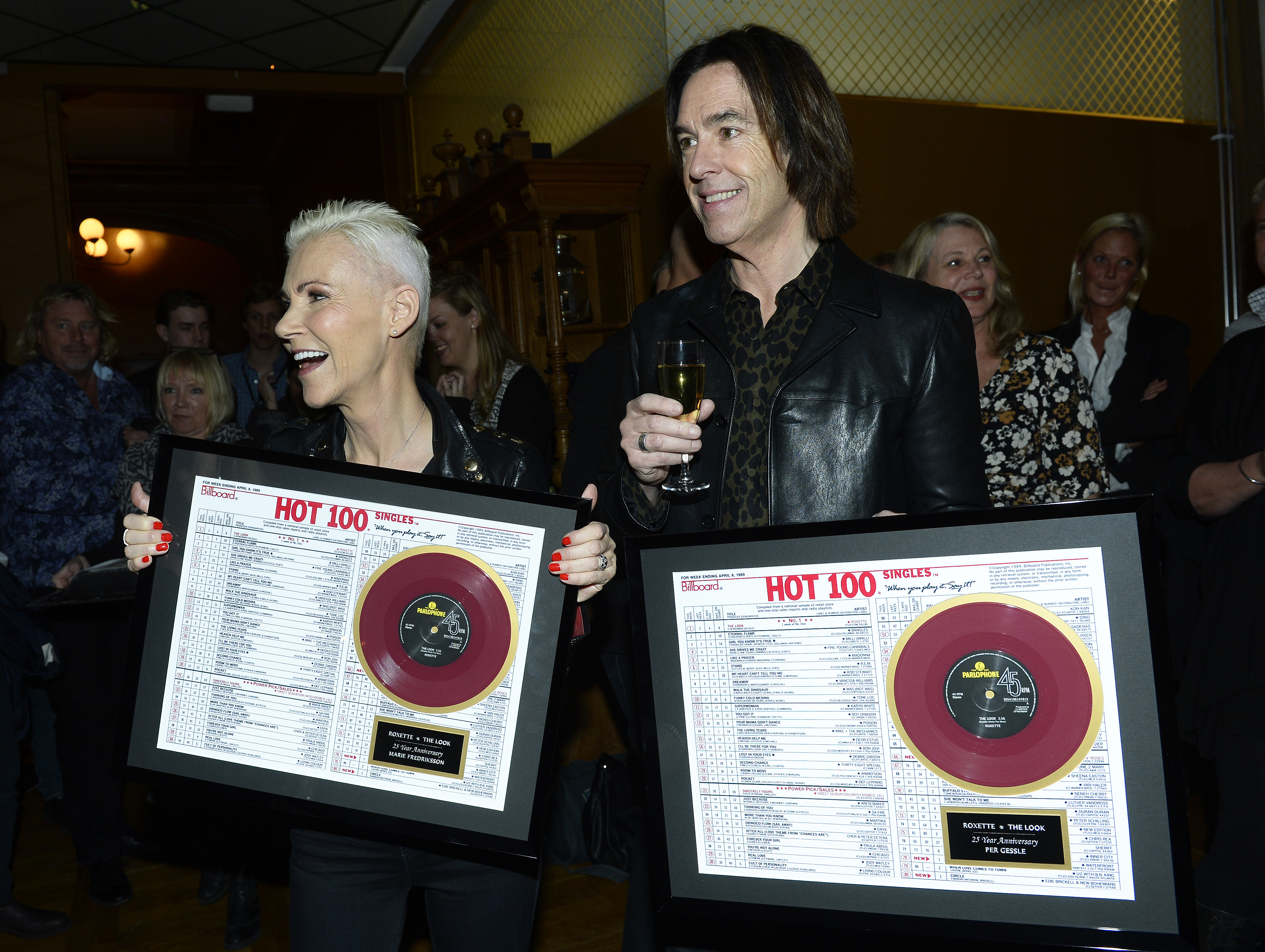
The genesis of music charts can be traced back to the early 20th century, emerging from the need to quantify the burgeoning popularity of recorded music. Initially, these rankings were primarily based on physical record sales, with publications like Billboard Magazine and Cash Box Magazine pioneering the concept in the United States. In the UK, the Official Charts Company has been tracking sales, evolving from various predecessor organizations. Early charts were often manually compiled, reflecting a simpler era of music consumption before the advent of radio airplay tracking, digital downloads, and streaming services like Spotify and Apple Music. The foundational principle, however, remained consistent: to provide a quantifiable measure of a song's or album's commercial success.
⚙️ How It Works
Modern music charts operate on sophisticated algorithms that aggregate data from multiple consumption sources. The primary metrics typically include sales of physical formats (vinyl, CDs), digital downloads, and, crucially, streaming data from platforms like YouTube, Spotify, and Apple Music. Each data point is assigned a specific weight, often with streaming equivalents calculated to represent a certain number of streams as equivalent to a single sale or download. For instance, Billboard's Hot 100 chart, a benchmark for singles, now heavily incorporates streaming numbers alongside sales and radio airplay. The methodologies are proprietary and frequently updated by chart compilers like Billboard and the Official Charts Company to accurately reflect evolving consumer behavior.
📊 Key Facts & Numbers
The global music chart ecosystem is vast, with thousands of charts published weekly. The Billboard Hot 100 in the US is arguably the most influential singles chart. Globally, over 300 billion streams were recorded on Spotify in 2023 alone, a figure that directly impacts chart performance. In the UK, the Official Charts Company reports that physical sales accounted for approximately 17% of the market in 2023, while digital downloads represented around 13%, with streaming dominating the remaining 70%. Album sales, while less dominant than singles, still represent a significant market, with the Billboard 200 tracking album popularity, and vinyl sales seeing a resurgence, reaching over 3.5 million units in the US in 2023.
👥 Key People & Organizations
Key organizations that compile and publish music charts include Billboard in the United States, the Official Charts Company in the United Kingdom, and Music Canada which oversees charts in Canada. Nielsen Music has long been a primary data provider for many of these charts, collecting sales and airplay information. Individuals like Joel Whitburn were instrumental in archiving and analyzing chart data, creating extensive databases of chart history. The IFPI also plays a role in standardizing global music data reporting.
🌍 Cultural Impact & Influence
Music charts are more than just rankings; they are powerful cultural arbiters. A high chart position can catapult an unknown artist to stardom, generate significant revenue for labels, and influence radio playlists and marketing campaigns. For decades, the Billboard Hot 100 has been the ultimate goal for aspiring musicians, and its position has been a proxy for mainstream success. The cultural impact is undeniable, shaping public taste, driving consumer purchasing decisions, and even influencing fashion and slang. Charts also provide a historical record of musical trends, allowing historians and fans to trace the evolution of genres and the rise and fall of musical movements over time, from the dominance of rock and roll in the 1950s to the current reign of hip-hop and pop.
⚡ Current State & Latest Developments
The current state of music charts is defined by the ongoing adaptation to digital consumption. Chart compilers are continuously refining their methodologies to account for new platforms and user behaviors, such as the rise of short-form video content on TikTok influencing song virality and chart performance. The integration of data from emerging markets and diverse streaming services is also a key development. Furthermore, the debate around the accuracy and fairness of chart methodologies, particularly concerning the weighting of different data sources and the potential for manipulation, remains a persistent feature of the industry landscape.
🤔 Controversies & Debates
Controversies surrounding music charts are perennial. One of the most significant debates revolves around the weighting of different metrics: should a paid download count the same as a stream? How should bundled album sales with concert tickets or merchandise be treated? The potential for 'chart manipulation' – where artists or labels employ strategies to artificially inflate sales or streams through bulk purchases or coordinated efforts – is a constant concern, leading chart bodies like Billboard to implement stricter rules. Critics also argue that charts can stifle artistic innovation by prioritizing commercially viable, trend-following music over more experimental or niche genres, leading to a homogenization of popular music.
🔮 Future Outlook & Predictions
The future of music charts will likely involve even greater integration of real-time data and more sophisticated algorithms. We can expect further refinement in how streaming data is weighted, potentially incorporating factors like listener engagement and completion rates. The rise of decentralized platforms and new forms of digital ownership (e.g., NFTs) could introduce entirely new metrics for measuring music popularity. Chart compilers will need to remain agile, constantly adapting to the bleeding edge of music consumption technology to maintain their relevance and accuracy in an increasingly fragmented digital ecosystem.
💡 Practical Applications
Music charts have direct practical applications for numerous stakeholders in the music industry. For artists and their management, chart positions are key performance indicators, influencing touring opportunities, endorsement deals, and future record label negotiations. Record labels use chart data to inform marketing strategies, identify emerging trends, and allocate resources effectively. Radio stations often program music based on chart performance, ensuring they play what is perceived as popular. For consumers, charts serve as a curated guide to popular music, helping them discover new artists and songs. Investors in music-related businesses also monitor chart performance as an indicator of market health and artist potential.
Key Facts
- Category
- culture
- Type
- concept