
Contents
Overview
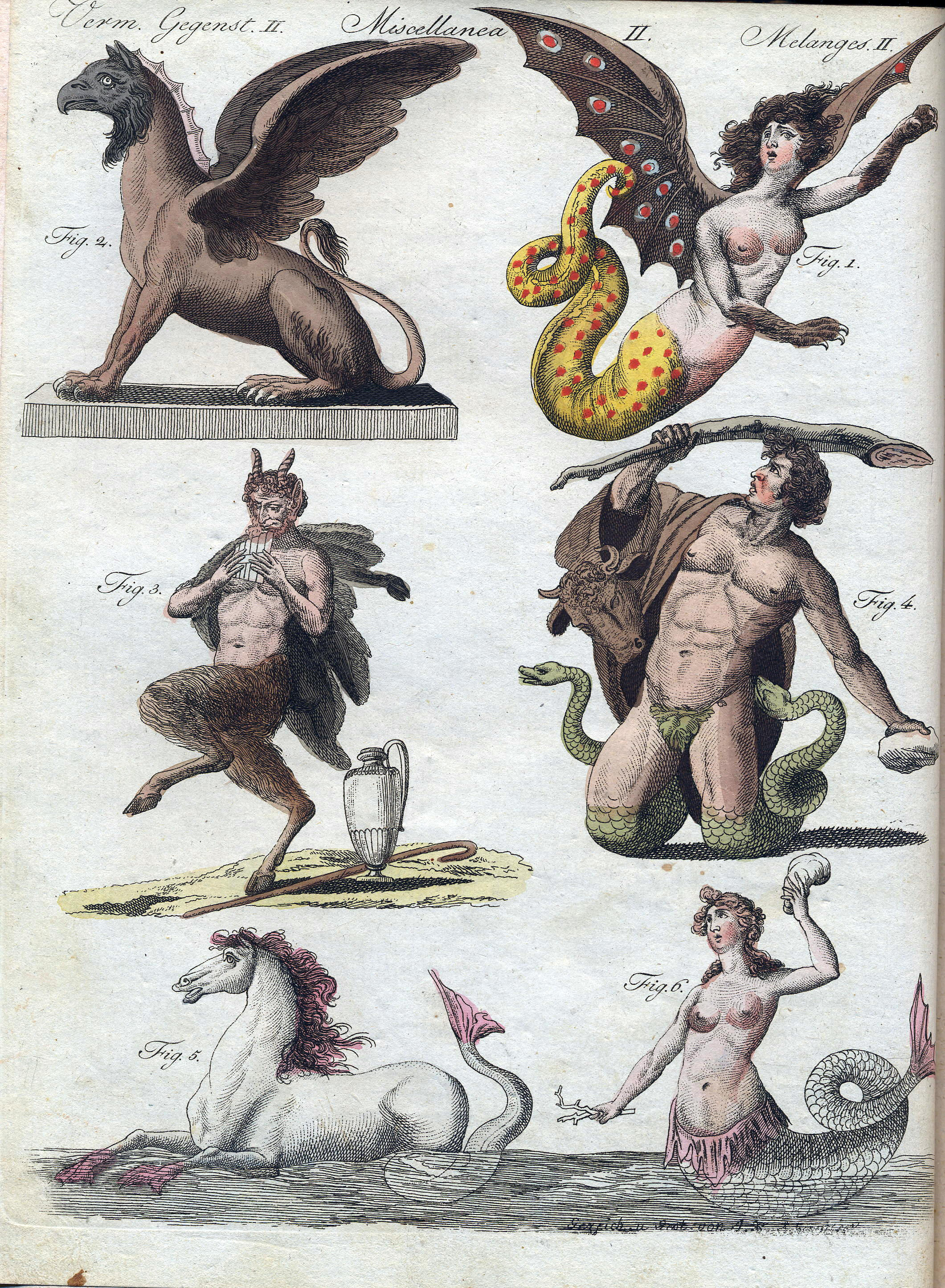
The concept of mythical creatures is as old as human storytelling itself, with the earliest evidence found in prehistoric cave paintings depicting beings that blend animal and human forms, hinting at early attempts to understand or appease powerful natural forces. Ancient civilizations like the Sumerians populated their mythologies with creatures like the manticore, while Egyptians featured beings such as the sphinx. The classical era, particularly ancient Greece, offered a rich bestiary including the centaur, Cyclops, and Medusa, often serving as obstacles for heroes like Heracles and Odysseus. Medieval bestiaries, such as the Physiologus and the Bestiaire d'Amour, further cataloged and often moralized about creatures like the unicorn and griffin, blending observation with allegory. These narratives laid the groundwork for later European folklore and the fantastical creatures that would populate the imagination for centuries.
⚙️ How They Function
Mythical creatures function as potent narrative devices and cultural symbols. Historically, they served to explain the inexplicable: the dragon might represent the destructive power of storms or fire, while the phoenix symbolized rebirth and the cyclical nature of life. They also embody primal fears and desires, with monstrous beings like the Gorgon or basilisk representing existential threats, and benevolent entities like fairies or nymphs embodying nature's bounty or allure. In literature and art, they provide a means to explore complex themes—J.R.R. Tolkien's Middle-earth is populated by orcs, elves, and dwarves to explore societal structures and morality. Their non-physical nature allows them to transcend logical constraints, enabling them to possess magical abilities, shapeshift, or embody abstract concepts, making them versatile tools for storytelling and cultural commentary.
📊 Key Facts & Numbers
The dragon appears in many world cultures, making it a ubiquitous mythical creature. The unicorn, while primarily a Western symbol, has variations in numerous cultures. In Japan alone, many distinct types of yokai (supernatural beings) have been cataloged, with the kitsune and tanuki being among the most frequently depicted. The global fantasy book market heavily features mythical creatures, with their presence often correlating with increased reader engagement.
👥 Key Figures & Archetypes
While no single individual 'created' mythical creatures, certain figures and archetypes have been instrumental in their dissemination and evolution. Homer's epics, the Iliad and the Odyssey, introduced iconic beasts like the Scylla and Charybdis. Pliny the Elder's Natural History (c. 77 CE) compiled accounts of real and imagined animals, influencing medieval bestiaries. Later, authors like Edgar Allan Poe revitalized interest in monstrous entities, while J.R.R. Tolkien and C.S. Lewis profoundly shaped modern fantasy archetypes like elves, dwarves, and hobbits. The Folklore Society, founded in 1878, and academic institutions continue to study and preserve these narratives, ensuring their legacy.
🌍 Cultural Impact & Influence
Mythical creatures have profoundly shaped global culture, permeating art, literature, religion, and even language. They are central to foundational myths and religious texts, from the serpent in the Garden of Eden to the Nāgas in Hindu and Buddhist traditions. Their imagery adorns countless artworks, from ancient pottery to Renaissance paintings and modern digital art. In literature, they are staples of genres like fantasy, science fiction, and horror. Phrases like 'fighting dragons' or 'a unicorn in the wild' have entered common parlance, demonstrating their deep integration into our conceptual frameworks. The global film industry consistently draws on these figures, with films like Harry Potter and The Lord of the Rings grossing billions worldwide, showcasing their enduring appeal.
⚡ Current State & Latest Developments
Mythical creatures remain vibrant elements of contemporary culture, particularly within the video game industry and streaming services. Games like The Witcher 3 and Elden Ring feature extensive bestiaries, driving player engagement and influencing game design trends. Streaming platforms are continuously producing new series and films that reimagine classic creatures or introduce novel ones, such as the dragons in House of the Dragon or the various monsters in Stranger Things. Digital art communities on platforms like ArtStation and DeviantArt showcase millions of fan-created interpretations of mythical beings, demonstrating their ongoing relevance and adaptability. The rise of AI-generated art has also led to novel, often surreal, interpretations of these creatures, pushing creative boundaries.
🤔 Controversies & Debates
The primary controversy surrounding mythical creatures lies in their potential to blur the lines between folklore and perceived reality, particularly when historical accounts are misinterpreted. The debate over whether certain creatures were based on misidentified real animals (e.g., the narwhal possibly inspiring the unicorn myth, or dinosaur fossils influencing dragon legends) continues among cryptozoologists and folklorists. Furthermore, the portrayal of certain creatures can be critiqued for perpetuating harmful stereotypes or for cultural appropriation, especially when non-Western beings are trivialized or misrepresented in Western media. The ethical implications of using AI to generate 'new' mythical creatures also spark debate about originality and authorship.
🔮 Future Outlook & Predictions
The future of mythical creatures appears robust, driven by technological advancements and a persistent human fascination with the unknown. AI-powered storytelling tools and procedural generation in video games will likely lead to increasingly complex and personalized mythical ecologies. We can anticipate a continued trend of reinterpreting classic creatures through diverse cultural lenses, moving beyond Western-centric narratives to explore the rich mythologies of Africa, Asia, and South America. Virtual and augmented reality technologies offer new avenues for immersive experiences with mythical beings, potentially allowing users to 'interact' with creatures in simulated environments. The ongoing exploration of space and deep oceans might even yield discoveries that inspire new myths or reinterpretations of old ones.
💡 Practical Applications
Mythical creatures find practical applications in education, entertainment, and even therapy. In education, they serve as engaging tools for teaching history, mythology, and comparative literature, helping students understand cultural values and narrative structures. The entertainment industry, as noted, heavily relies on them for video games, films, and literature, driving significant economic activity. In art therapy, the symbolic nature of mythical creatures can be used to help individuals explore emotions, fears, and aspirations in a safe, metaphorical space. Furthermore, their archetypal forms can inspire design in fields ranging from product design to architecture, lending a sense of wonder or power to otherwise mundane objects or structures.
Key Facts
- Category
- culture
- Type
- topic