
Contents
Overview
Nazi imagery encompasses the visual symbols, iconography, and aesthetic elements associated with the National Socialist German Workers' Party (NSDAP) and Nazi Germany from 1933 to 1945. This includes the swastika, the SS lightning bolts, the eagle, and specific color palettes like red, black, and white. While intrinsically linked to the atrocities of the Holocaust and World War II, these symbols have been appropriated and recontextualized across various subcultures, from punk fashion and heavy metal to extremist groups and avant-garde art. The use of Nazi imagery is highly controversial, often sparking debate about freedom of expression versus the perpetuation of hate, and its presence continues to provoke strong reactions globally due to its indelible association with genocide and totalitarianism. Its enduring power lies in its ability to shock, offend, and signal radical ideologies, making it a potent, albeit dangerous, visual language.
🎵 Origins & History
The visual language of Nazism was meticulously crafted by Joseph Goebbels' propaganda ministry, aiming to forge a powerful, unified national identity and project an image of strength and order. Precursors can be traced to earlier nationalist and anti-Semitic symbolism in Germany, but the NSDAP synthesized these with modernist design principles and ancient symbols like the swastika, which was adopted from Eastern cultures and reinterpreted as a symbol of Aryan supremacy. The potent visual impact of these symbols ensured their continued, albeit often transgressive, use.
⚙️ Visual Lexicon
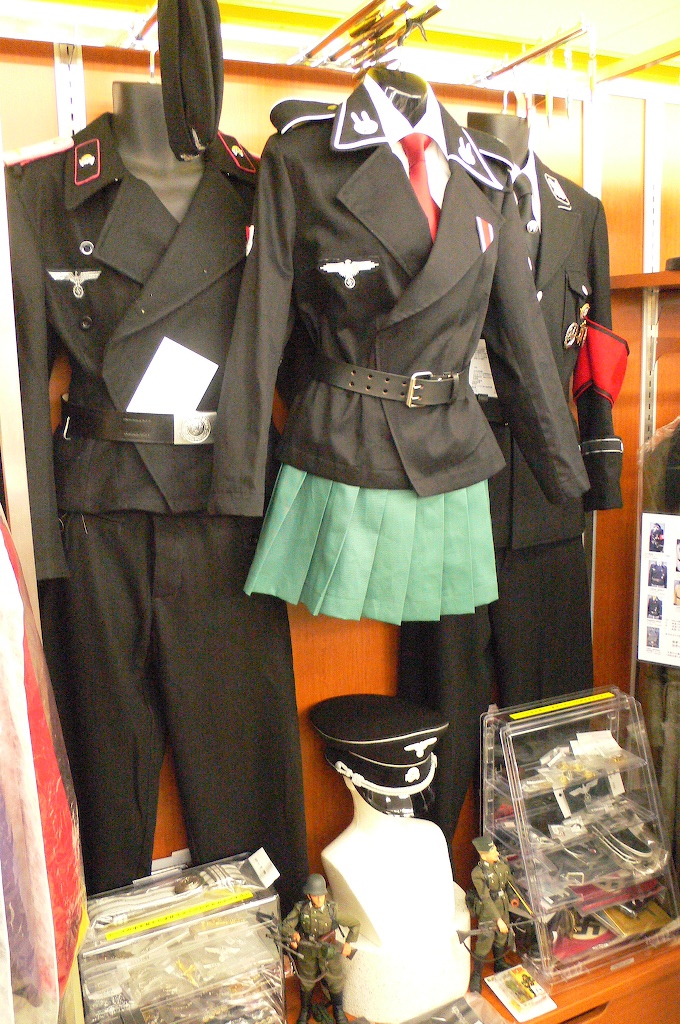
At the core of Nazi imagery is the swastika, a symbol with ancient origins that was repurposed by the Nazis as their primary emblem, often tilted at a 45-degree angle. Complementing this were the distinctive 'SS' lightning bolt runes, representing the Schutzstaffel, the regime's paramilitary organization responsible for much of the genocide. The Reichsadler, an eagle clutching a swastika, served as a potent symbol of state power and authority. The color palette of red, black, and white, heavily featured on the Nazi flag, was deliberately chosen for its perceived power and association with German imperial colors. These elements, combined with militaristic uniforms and architectural styles, created a cohesive and imposing visual identity for the regime.
📊 Scale & Impact
The visual impact of Nazi imagery is undeniable, with its symbols having permeated global consciousness. The global reach of media and the internet has amplified its visibility, allowing extremist ideologies to spread visual propaganda more effectively than ever before. The sheer number of hate crimes and acts of vandalism associated with Nazi symbols globally underscores their continued potency and reach, even decades after the fall of the Third Reich.
👥 Key Figures & Movements
While Adolf Hitler, as the Führer, was the ultimate architect of the Nazi aesthetic, key figures like Joseph Goebbels, the Minister of Propaganda, were instrumental in its dissemination and strategic deployment. Architects like Albert Speer designed monumental structures that embodied Nazi grandeur, while designers and artists created propaganda posters and films. In the post-war era, figures like Malcolm McLaren and Vivienne Westwood, through their punk fashion boutique SEX, controversially incorporated Nazi-inspired elements, sparking the phenomenon of 'Nazi chic'. Later, musicians in genres like black metal and hardcore punk also adopted such imagery, often for shock value or to signal anti-establishment sentiments.
🌍 Cultural Appropriation & Controversy
The appropriation of Nazi imagery by subcultures and fashion designers has been a persistent source of controversy. In the 1970s, punk fashion, particularly through Malcolm McLaren and Vivienne Westwood, saw the use of swastikas and other Nazi paraphernalia as a deliberate act of rebellion and shock against societal norms. This trend, dubbed 'Nazi chic,' was criticized for trivializing the Holocaust and the suffering of its victims. Similarly, certain heavy metal bands have used Nazi imagery, leading to bans from venues and record labels, and sparking debates about artistic freedom versus the promotion of hate speech. The cultural distance from the historical events allows some to view these symbols as purely aesthetic or provocative, while for others, they remain deeply offensive and indicative of dangerous ideologies.
⚡ Modern Manifestations
In the 21st century, Nazi imagery continues to surface in various contexts, often online. White supremacist and neo-Nazi groups actively use these symbols on social media platforms and encrypted messaging apps like Telegram to recruit members and spread their ideology. The internet has provided a fertile ground for the resurgence and dissemination of such imagery, often detached from its original historical context and re-packaged for new generations. Furthermore, elements of Nazi aesthetics, such as stark typography and militaristic design, can sometimes be found in mainstream design, though usually stripped of their original meaning and intent, leading to further debate about the boundaries of visual influence.
🤔 Debates & Legalities
The use and display of Nazi imagery are subject to intense legal and ethical scrutiny worldwide. Many countries, including Germany, France, and Austria, have strict laws prohibiting the public display of Nazi symbols, viewing them as incitements to hatred and violations of public order. In contrast, countries like the United States generally protect such displays under freedom of speech principles, though their use can still lead to social ostracism and condemnation. The debate often centers on whether the intent behind the display is genuinely to promote Nazism or to express artistic dissent, a distinction that is frequently blurred and highly contentious.
🔮 Future Trajectories
The future of Nazi imagery is likely to remain a battleground between those who seek to erase its presence and those who continue to wield it for ideological or provocative purposes. As historical memory fades, there is a risk that the symbols could become further detached from their horrific origins, potentially making them more palatable to new audiences susceptible to extremist ideologies. The digital realm will undoubtedly remain a key arena for its propagation and contestation.
💡 Artistic & Subversive Use
Beyond its use by extremist groups, Nazi imagery has been employed in art and film to critique or condemn the ideology itself. Filmmakers have used swastikas and other symbols to depict the horrors of the Nazi regime, aiming to educate audiences and reinforce the memory of the Holocaust. Artists have also used these symbols in provocative ways to challenge viewers, explore themes of evil, or comment on the persistence of fascism in contemporary society. The shock value of these symbols can be a powerful tool when used with clear critical intent, though the line between condemnation and unintentional glorification is often perilously thin.
Key Facts
- Category
- aesthetics
- Type
- concept