
Contents
Overview
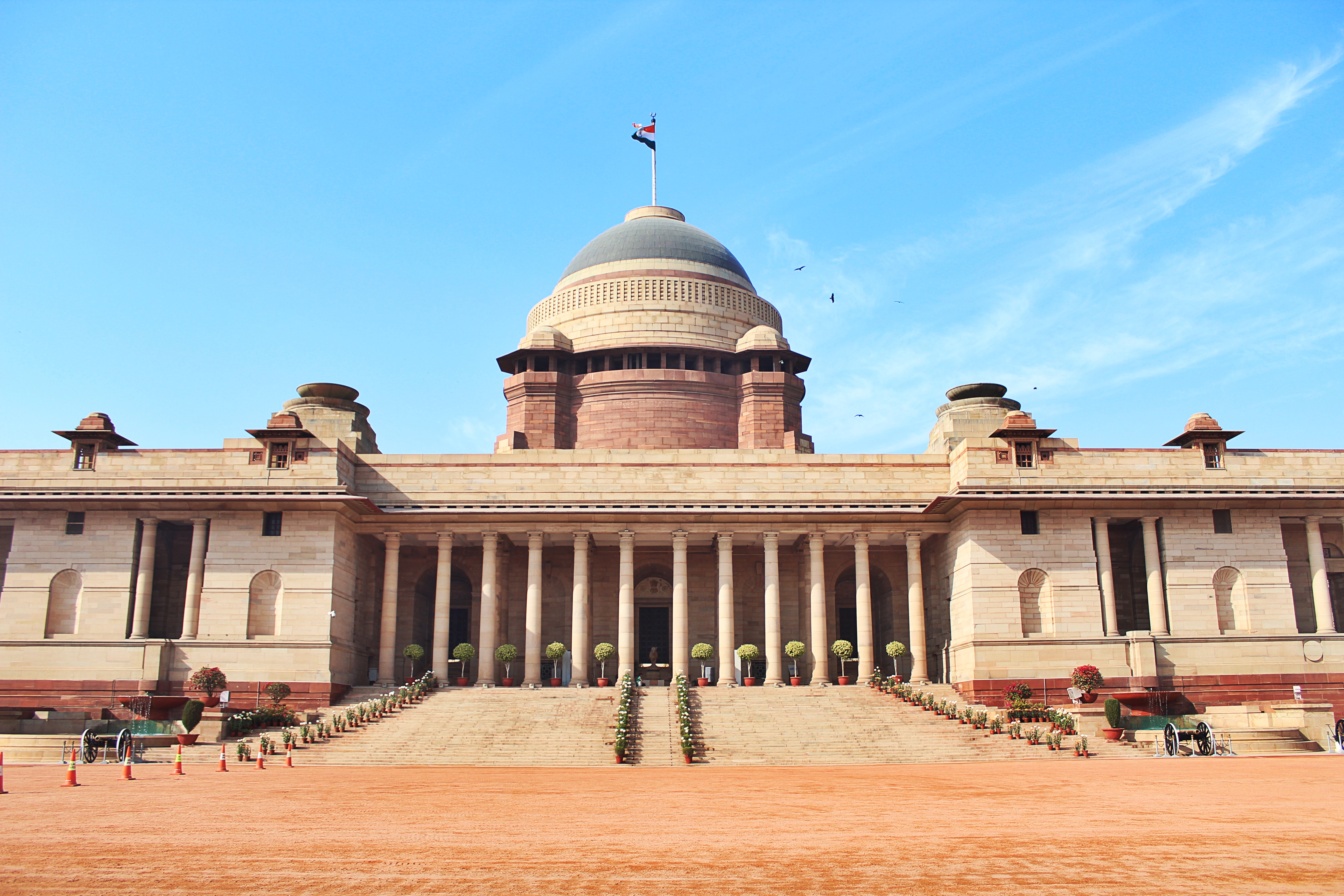
New Delhi is a meticulously planned metropolis that serves as the seat of the nation's government. It was designed by architects Edwin Lutyens and Herbert Baker to be a grand administrative center, replacing Calcutta as the capital. Unlike the sprawling, organic growth of Old Delhi, New Delhi is characterized by wide avenues, grand public buildings, and verdant gardens. It houses the Rashtrapati Bhavan, Parliament House, and the Supreme Court, making it the epicenter of India's political power. While often used interchangeably with the broader Delhi region, New Delhi is a distinct municipality within the National Capital Territory of Delhi, covering approximately 42.7 square kilometers. Its inception marked a significant shift in India's colonial administration and continues to be a focal point for national identity and international diplomacy.
🎵 Origins & History
The genesis of New Delhi is intrinsically tied to the British colonial enterprise. In 1911, during the Delhi Durbar, King George V announced the transfer of the capital of British India from Calcutta to Delhi. The monumental task of designing this new administrative capital fell to architects Edwin Lutyens and Herbert Baker. Their vision was a city of imperial grandeur, a stark contrast to the bustling, ancient city of Old Delhi. The design drew heavily from classical Roman and Renaissance architecture, incorporating vast boulevards like Rajpath (now Kartavya Path) and monumental structures such as the Rashtrapati Bhavan (Viceroy's House) and India Gate. This deliberate planning aimed to symbolize the permanence and authority of the British Empire in India, a stark departure from the organic growth of pre-colonial urban centers.
⚙️ How It Works
New Delhi functions as a highly organized administrative and governmental hub. The New Delhi Municipal Council (NDMC) governs a specific area, primarily Lutyens' Delhi, managing services like water supply, sanitation, and urban planning within its jurisdiction. This area is part of the larger New Delhi district, which itself is a component of the National Capital Territory of Delhi (NCT). The city's layout is a grid system, with major roads radiating from central points like Connaught Place. The city's infrastructure is designed to support these functions, including extensive road networks, diplomatic enclaves, and residential areas for government officials, all managed under strict urban planning guidelines.
📊 Key Facts & Numbers
New Delhi hosts over 1,000 government residential buildings and numerous embassies and high commissions, reflecting its status as a diplomatic center. The city's infrastructure supports an average daily movement of over 500,000 vehicles, contributing to its significant traffic flow.
👥 Key People & Organizations
The architectural and urban planning of New Delhi is indelibly linked to Edwin Lutyens and Herbert Baker, the principal architects. King George V's royal proclamation in 1911 initiated the project. Post-independence, leaders like Jawaharlal Nehru oversaw its evolution as the capital of a sovereign nation. The New Delhi Municipal Council (NDMC) is the administrative body responsible for its upkeep, while the Government of India maintains control over key national institutions located within its bounds. The Indian National Congress party, which led India's independence movement, has historically had a strong presence and influence in the political landscape centered in New Delhi.
🌍 Cultural Impact & Influence
New Delhi stands as a potent symbol of India's political sovereignty and its colonial past. Its grand architecture, epitomized by Rashtrapati Bhavan and India Gate, has been the backdrop for countless national celebrations, protests, and international summits, shaping global perceptions of India. The city's layout influenced urban planning in other post-colonial capitals. Culturally, it is a melting pot, with influences from across India converging in its institutions, markets like Dilli Haat, and cultural centers such as the National School of Drama. The city's design, however, also reflects a colonial imposition, a point of contention in discussions about national identity and historical narratives, as seen in the ongoing debates surrounding the renaming of streets and landmarks.
⚡ Current State & Latest Developments
In the current era, New Delhi continues to be the nerve center of Indian governance and international relations. The city is undergoing continuous urban development, with ongoing projects focused on improving public transportation, such as the expansion of the Delhi Metro network, and enhancing green spaces. The administration, led by the NDMC and the Delhi government, faces persistent challenges related to air pollution, traffic congestion, and the management of a rapidly growing urban population that spills beyond its defined municipal boundaries into the wider National Capital Region.
🤔 Controversies & Debates
The very planning of New Delhi is a source of controversy, representing a deliberate imposition of imperial power and a stark contrast to the organic development of Old Delhi. Critics argue that its grand, axial design, conceived by Lutyens and Baker, prioritized administrative control and imperial symbolism over the needs and cultural fabric of the existing populace. The displacement of communities to make way for its construction is a significant historical grievance. Furthermore, the city's status as a planned capital has led to debates about its perceived lack of organic character compared to older Indian cities, and ongoing discussions about renaming streets and landmarks to shed colonial legacies, such as the renaming of Rajpath to Kartavya Path.
🔮 Future Outlook & Predictions
The future of New Delhi is likely to see a continued balancing act between its role as a monumental capital and the demands of a burgeoning megacity. Plans are underway to further integrate its infrastructure with the wider National Capital Region, potentially leading to a more unified urban governance. There is a growing emphasis on sustainable development, with initiatives aimed at combating air pollution and improving public transport accessibility, possibly through further expansion of the Delhi Metro. The city may also witness a gradual re-evaluation and renaming of colonial-era landmarks, reflecting a broader trend of decolonization in public spaces. The long-term vision involves enhancing its status as a global diplomatic hub while addressing the socio-economic disparities within its expanding urban footprint.
💡 Practical Applications
New Delhi's primary practical application is its function as the administrative and political capital of India. It houses the Parliament of India, the Supreme Court of India, and the Presidential Palace, serving as the central hub for legislative, judicial, and executive functions. The city is also a major diplomatic center, hosting numerous embassies and high commissions, facilitating international relations and trade agreements. Its well-defined infrastructure, including Connaught Place as a commercial and financial district, supports significant economic activity. Furthermore, its planned layout and iconic landmarks like India Gate make it a significant tourist destination, showcasing India's history and governance to visitors from around the world.
Key Facts
- Category
- place
- Type
- topic