
Contents
Overview
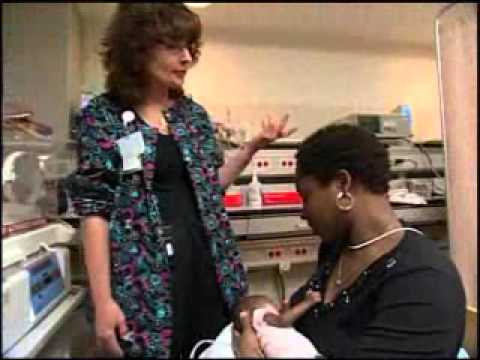
The Neonatal Intensive Care Unit (NICU) is a specialized hospital ward dedicated to the care of ill or premature newborn infants. These units are equipped with advanced medical technology and staffed by highly trained professionals, including neonatologists, neonatal nurses, respiratory therapists, and pharmacists. NICUs manage a wide spectrum of conditions, from prematurity and low birth weight to birth defects, infections, and other critical health issues that require immediate and intensive medical intervention. The environment is designed to provide a stable, controlled setting for vulnerable newborns, often involving incubators, ventilators, and sophisticated monitoring systems. While offering a lifeline for many, NICU stays can be emotionally and financially taxing for families, highlighting the complex interplay of medical necessity, parental support, and long-term developmental outcomes.
🏥 What is a NICU?
A NICU is a specialized hospital unit designed to provide critical care for newborns who are premature, have low birth weight, or suffer from serious health problems. Think of it as the ICU for babies, equipped with advanced technology and staffed by a multidisciplinary team of medical professionals. These units are crucial for stabilizing fragile infants and supporting their development during their most vulnerable early days and weeks. The goal is to give these tiny patients the best possible chance at a healthy start in life, often involving complex medical interventions and constant monitoring.
👶 Who Needs a NICU?
The need for NICU care arises when a baby is born with significant health challenges. This includes infants born extremely prematurely (before 28 weeks gestation), those with birth defects like congenital heart defects, infections, breathing difficulties, or complications from a difficult birth. Sometimes, even full-term babies can develop serious issues like jaundice or hypoglycemia that require intensive monitoring and treatment. The decision to admit a baby to the NICU is always based on their immediate medical needs and potential for recovery.
📍 Location & Access
NICUs are typically found within larger hospitals, often in the maternity or pediatric wings. Access usually involves a referral from an obstetrician or pediatrician, or direct admission from the delivery room if complications are anticipated or arise. Major metropolitan areas will have several options, while rural areas might have fewer, sometimes requiring transport to a regional center. It's advisable to research hospitals in your area that have established NICU programs and inquire about their specific admission protocols and capabilities.
⏰ Hours & Visitation
NICU hours are 24/7, as the need for care is constant. However, visitation policies can vary significantly between institutions and even within different zones of the same NICU. Many units have designated visiting hours for parents and grandparents, while siblings or other visitors might have stricter limitations or require special permission. Some NICUs are moving towards more open visitation for parents, recognizing the importance of parental presence for infant well-being and bonding, but this is still an evolving area.
💰 Pricing & Insurance
The cost of NICU care is substantial, often running into tens of thousands of dollars per day due to the specialized equipment, highly trained staff, and intensive treatments involved. Most of this cost is typically covered by health insurance, including Medicaid and private plans, though deductibles, co-pays, and out-of-pocket maximums will apply. Families should proactively discuss coverage with their insurance provider and the hospital's financial services department to understand their financial responsibilities and explore any available assistance programs.
⭐ What People Say (Patient Experience)
Patient experiences in the NICU are, understandably, a mix of intense stress and profound gratitude. Parents often describe the environment as overwhelming initially, with the constant beeping of machines and the sight of their baby connected to various tubes and wires. However, they also frequently praise the dedication and skill of the nursing staff and physicians, who become a vital support system. The emotional journey is significant, marked by moments of fear, hope, and ultimately, immense relief as their child progresses towards discharge.
⚖️ NICU vs. Other Neonatal Care
Compared to standard pediatric care or maternity wards, the NICU offers a level of specialized, high-acuity care specifically for newborns. While a Special Care Nursery might handle less critical cases, the NICU is equipped for the most fragile infants requiring mechanical ventilation, complex surgeries, or continuous intravenous therapies. It represents the highest tier of neonatal medical support available within a hospital setting.
💡 Practical Tips for Families
For families with a baby in the NICU, proactive engagement is key. Don't hesitate to ask questions, no matter how small they seem; understanding your baby's condition and treatment plan is crucial. Participate in care as much as possible, whether it's changing diapers, feeding, or simply holding your baby (skin-to-skin contact is highly beneficial). Connect with hospital social workers and support groups for emotional and practical assistance. Remember to also take care of yourself – your well-being is essential for supporting your baby.
📞 Getting Started & Contact
If you anticipate needing NICU services, discuss this with your obstetrician during pregnancy. If your baby requires NICU admission, the hospital's social work department can guide you through the process and connect you with resources. For general inquiries about a specific hospital's NICU, you can contact their main patient information line or the neonatal department directly. Many hospitals also offer virtual tours or informational sessions for expectant parents.
Key Facts
- Year
- 1960
- Origin
- The concept of specialized care for premature and sick newborns began to coalesce in the mid-20th century, with formal NICUs emerging in the 1960s, driven by advancements in neonatal medicine and a growing understanding of infant physiology. Early pioneers like Dr. Mildred Stahlman at Vanderbilt University were instrumental in developing critical care techniques for premature infants.
- Category
- Healthcare & Medicine
- Type
- Medical Facility/Department
Frequently Asked Questions
How long do babies typically stay in the NICU?
The length of stay varies dramatically based on the infant's condition and gestational age at birth. Some babies may only need a few days for observation or treatment of a minor issue, while others born extremely prematurely might remain for months until they reach a weight and developmental stage suitable for home care. The medical team will provide an estimated timeline, but it's subject to the baby's progress.
Can parents stay with their baby in the NICU?
Most NICUs encourage and facilitate parental presence, often allowing parents to stay 24/7 or during extended hours. Skin-to-skin contact, known as kangaroo care, is highly recommended for bonding and infant development. Some units may have specific protocols for overnight stays or when the unit is particularly busy.
What kind of staff works in a NICU?
A NICU team is multidisciplinary, including neonatologists (pediatricians specializing in newborns), neonatal nurses, respiratory therapists, pharmacists, dietitians, social workers, and developmental specialists. This comprehensive team works collaboratively to address all aspects of the infant's health and family's needs.
What is the difference between a NICU and a Special Care Nursery?
A NICU provides the highest level of intensive care for the most critically ill or premature newborns, often requiring advanced life support. A Special Care Nursery (SCN) or Intermediate Care Nursery (ICN) handles infants who are stable but require more monitoring and support than a standard nursery, such as those needing oxygen therapy or intravenous fluids, but not the most complex interventions.
How do I prepare for my baby's discharge from the NICU?
The NICU team will work with you to ensure you are prepared for discharge. This typically involves training on infant care, feeding, medication administration, and CPR. You'll also receive information on follow-up appointments and any necessary home medical equipment. Social workers can assist with navigating insurance and community resources.