
Contents
- 🌃 What Are Taiwan's Night Markets?
- 🗺️ Where to Find the Best Vibes
- 🕒 When to Go for Peak Energy
- 💰 Budgeting Your Culinary Adventure
- ⭐ Vibe Scores & Crowd Dynamics
- 🍜 Must-Try Dishes & Local Delicacies
- 🛍️ Beyond the Food: Shopping & Entertainment
- 💡 Insider Tips for Navigating the Chaos
- 🤝 Night Markets vs. Other Food Experiences
- 🚀 The Future of Taiwan's Night Markets
- Frequently Asked Questions
- Related Topics
Overview
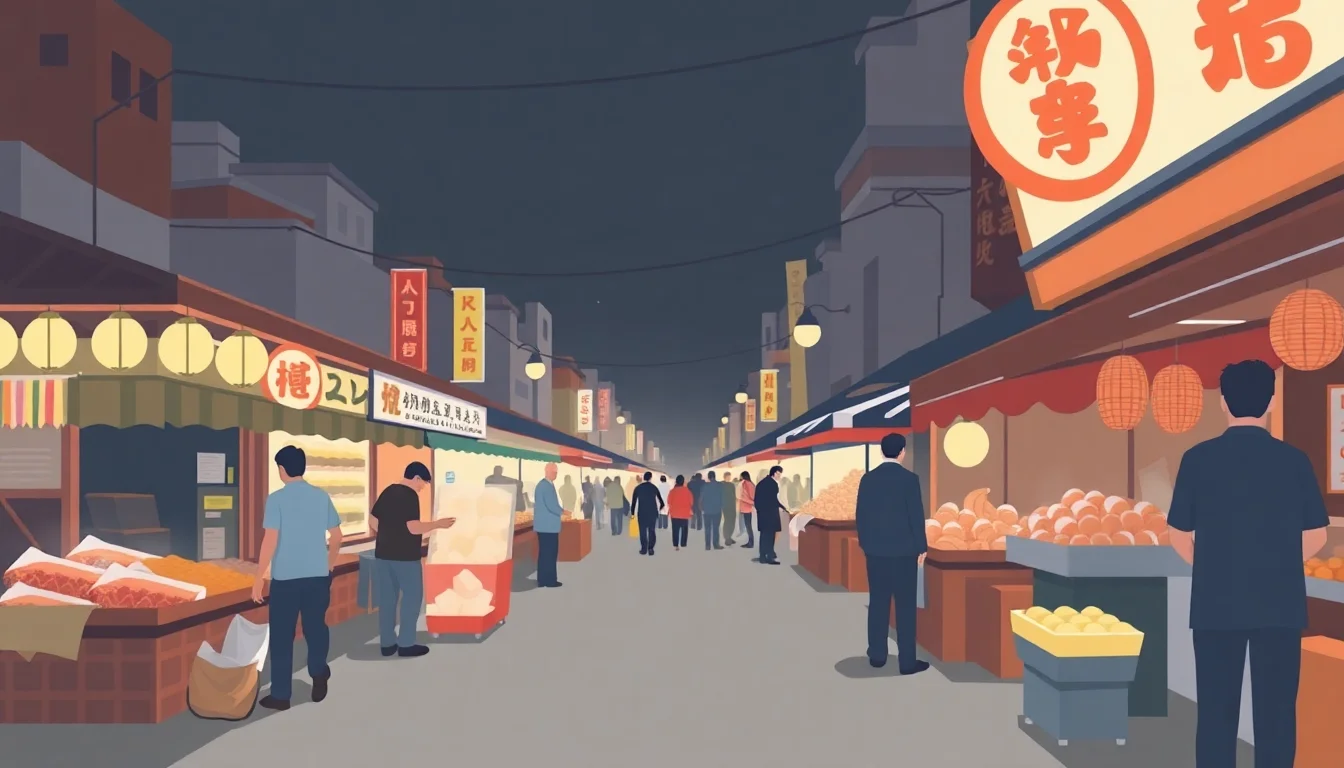
Taiwan's night markets are more than just places to eat; they are vibrant, pulsating hubs of local life, a sensory overload of sights, sounds, and smells that define the island's social fabric. From the historic Shilin Night Market in Taipei to the bustling Ruifeng Night Market in Kaohsiung, these open-air bazaars offer an unparalleled glimpse into Taiwanese culture. They are democratic spaces where families, students, and tourists alike converge to savor affordable, delicious food and soak in an electric atmosphere. Expect a dizzying array of stalls, each specializing in a particular dish or product, creating a dynamic ecosystem that shifts and evolves with the seasons and trends. This is where you truly taste and feel Taiwan.
🗺️ Where to Find the Best Vibes
The sheer density of night markets across Taiwan means you're never far from one, especially in urban centers. Taipei boasts iconic markets like Raohe Street Night Market, known for its historic temple setting and pepper buns, and the sprawling Ningxia Night Market, a haven for traditional snacks. Further south, Kaohsiung's Liuhe Night Market offers a more tourist-oriented experience with seafood specialties, while Tainan, the island's culinary capital, presents gems like the Garden Night Market, a weekend-only spectacle. Each market has its own distinct character, influenced by its location and the local community it serves. Choosing one often comes down to what kind of Taiwanese cuisine you're craving and the specific vibe you're seeking.
🕒 When to Go for Peak Energy
While most night markets operate daily, their peak energy typically kicks in from late afternoon, around 5 PM, and continues until well past midnight, with some staying open until 2 or 3 AM. Weekends, naturally, draw the largest crowds, offering the most intense and lively atmosphere. However, if you prefer a slightly less frenetic experience, visiting on a weekday evening, particularly earlier in the night, can be more manageable. Certain markets, like Tainan's Garden Night Market, are only open on specific days of the week, so always check their operating schedule before making a trip. The 'vibe' truly ignites as the sun sets and the neon lights flicker to life.
💰 Budgeting Your Culinary Adventure
One of the most compelling aspects of Taiwan's night markets is their affordability. You can embark on a multi-course culinary journey for a fraction of the cost of a single meal in many Western countries. Most individual dishes range from NT$30 to NT$150 (approximately $1 to $5 USD), allowing you to sample a wide variety without breaking the bank. A generous budget of NT$300-NT$500 (around $10-$17 USD) per person is usually more than enough to eat your fill and perhaps even grab a souvenir. This accessibility is a cornerstone of their appeal, making them a staple for locals and a budget-friendly paradise for travelers exploring Taiwanese street food.
⭐ Vibe Scores & Crowd Dynamics
Night markets in Taiwan register consistently high Vibe Scores (often 80-95) due to their sheer density of activity and sensory stimulation. Crowd dynamics vary significantly: major markets like Shilin can feel overwhelmingly packed, especially on weekends, with crowd density reaching peak levels between 7 PM and 10 PM. Smaller, more local markets might offer a more relaxed, intimate experience. The 'Controversy Spectrum' for night markets is relatively low, with most debates centering on which market has the best version of a particular dish or the impact of gentrification on traditional stalls. The overall sentiment is overwhelmingly positive, celebrating their role as cultural anchors.
🍜 Must-Try Dishes & Local Delicacies
The culinary offerings are staggering, a testament to Taiwan's diverse gastronomic heritage. You absolutely must try the iconic Oyster Omelet (蚵仔煎), a savory pancake bound with eggs and oysters, often drizzled with a sweet chili sauce. Another essential is the Stinky Tofu (臭豆腐), a fermented delight that, despite its pungent aroma, is a beloved delicacy for its crispy exterior and soft interior. Don't miss out on Taiwanese Fried Chicken (鹽酥雞), crispy, bite-sized pieces seasoned to perfection, or the legendary Bubble Tea (珍珠奶茶), which originated in Taiwan. For the adventurous, Pig's Blood Cake (豬血糕) offers a unique textural experience.
🛍️ Beyond the Food: Shopping & Entertainment
Night markets are far from being solely about food. They are vibrant marketplaces offering a wide array of goods, from trendy clothing and accessories to quirky souvenirs and phone gadgets. You'll find fortune tellers, arcade games, and street performers adding to the lively entertainment. Many markets are situated near temples or historical sites, offering a chance to combine culinary exploration with cultural sightseeing. For instance, the Longshan Temple adjacent to Raohe Street Night Market provides a serene counterpoint to the market's boisterous energy. It's a complete sensory package, engaging all your senses beyond just taste.
🤝 Night Markets vs. Other Food Experiences
Compared to formal Taiwanese restaurants or upscale dining, night markets offer a more casual, immediate, and often more authentic connection to the local food scene. While restaurants provide a curated experience, night markets are a chaotic, democratic celebration of everyday Taiwanese cuisine. They lack the refined ambiance of a sit-down meal but compensate with sheer variety, affordability, and an unparalleled energetic vibe. For a quick, delicious, and culturally immersive bite, the night market is king. It's the antithesis of a hushed dining room; it's a street-level feast for the senses.
🚀 The Future of Taiwan's Night Markets
The future of Taiwan's night markets is a dynamic interplay between tradition and modernity. While the core appeal of affordable, delicious street food remains, markets are increasingly adapting to changing consumer habits and global trends. Expect to see more innovative food creations, greater integration of technology (like cashless payments), and a continued focus on sustainability. The challenge lies in preserving the authentic character and community spirit that make these markets so special while embracing necessary evolution. The ongoing debate is how to balance commercial success with cultural preservation, ensuring these vital hubs thrive for generations to come.
Key Facts
- Year
- 1940s
- Origin
- Post-WWII informal street vending
- Category
- Culture & Lifestyle
- Type
- Night Market
Frequently Asked Questions
Are Taiwan's night markets safe?
Yes, Taiwan's night markets are generally very safe. Crime rates are low, and the atmosphere is typically friendly and family-oriented. The primary 'risks' are more about navigating crowds and avoiding minor spills or dropped food. Petty theft is rare, but it's always wise to be aware of your surroundings, especially in densely packed areas. The overall vibe is one of communal enjoyment and safety.
What's the best night market in Taipei?
This is a perennial debate! For sheer variety and iconic status, Shilin Night Market is hard to beat, though it can be very crowded. Raohe Street Night Market offers a more historic feel with excellent pepper buns and a beautiful temple backdrop. Ningxia Night Market is a favorite for traditional snacks and a slightly more local vibe. The 'best' depends on your personal preference for atmosphere and specific foods.
Can I find vegetarian options at night markets?
Yes, while many popular dishes feature meat or seafood, vegetarian options are increasingly available. Look for stalls selling sweet potato balls, fried mushrooms, stinky tofu (often fried), vegetable buns, and various fruit juices. Some markets have dedicated vegetarian stalls. It's always a good idea to politely inquire about ingredients if you have strict dietary needs.
How do I get to the night markets?
Most major night markets are conveniently accessible via Taiwan's excellent public transportation system, particularly the Taipei Metro (MRT) or High-Speed Rail (HSR) for inter-city travel. Many have their own MRT stations or are a short walk from one. Buses are also a common and effective way to reach markets, especially those not directly on MRT lines. Taxis and ride-sharing services are also readily available.
What's the difference between a day market and a night market?
Day markets (traditional wet markets) are primarily for fresh produce, meats, and household goods, operating in the morning and early afternoon. Night markets, as the name suggests, come alive in the evening and are focused on prepared foods, snacks, clothing, and entertainment. While day markets are essential for local grocery shopping, night markets are the social and culinary heart of Taiwanese evenings.
Is it considered rude to haggle prices at night markets?
Haggling is generally not practiced at Taiwanese night markets for food items, as prices are already set very affordably. For non-food items like clothing or souvenirs, a small amount of polite negotiation might be acceptable in some stalls, particularly if you are buying multiple items. However, it's not as common or expected as in some other Asian markets. Respecting the listed prices is usually the norm.