
Contents
- 🐳 Origins & History
- 🌊 How It Works
- 📊 Key Facts & Numbers
- 👥 Key People & Organizations
- 🌍 Cultural Impact & Influence
- ⚡ Current State & Latest Developments
- 🤔 Controversies & Debates
- 🔮 Future Outlook & Predictions
- 💡 Practical Applications
- 📚 Related Topics & Deeper Reading
- Frequently Asked Questions
- References
- Related Topics
Overview
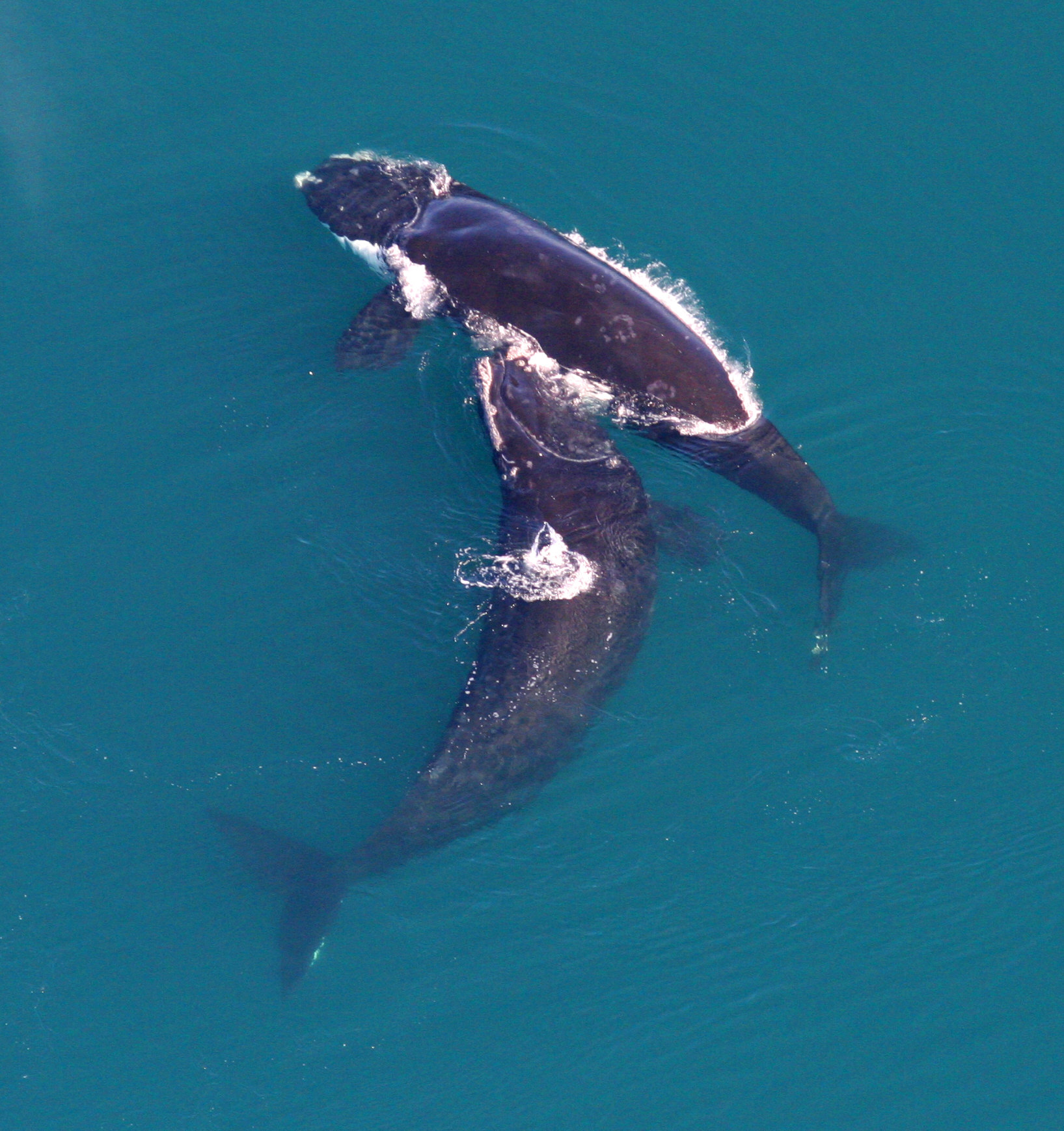
The North Atlantic right whale (Eubalaena glacialis) is a critically endangered baleen whale with only approximately 356 individuals remaining in the western North Atlantic Ocean. Their docile nature, slow feeding behaviors, and high blubber content made them a prime target for whalers, leading to a drastic decline in their population. Currently protected under the U.S. Endangered Species Act and Marine Mammal Protection Act, as well as Canada's Species at Risk Act, conservation efforts are underway to save this species from extinction. The North Atlantic right whale migrates between the Labrador Sea and the coastal waters of Georgia and Florida, an area with heavy shipping traffic, posing a significant threat to their survival. With a history dating back to the 16th century, the North Atlantic right whale has been a vital part of the marine ecosystem, and its loss would have severe consequences for the environment. The species' population has been declining due to entanglement in fishing gear, ship strikes, and habitat degradation, highlighting the need for urgent conservation action. As one of the most endangered whales in the world, the North Atlantic right whale's fate is a pressing concern, with scientists and conservationists working tirelessly to protect this species and its habitat.
🐳 Origins & History
The North Atlantic right whale has a rich history, with the first recorded sighting dating back to the 16th century. The species was once abundant in the North Atlantic, with an estimated population of over 10,000 individuals. However, due to overhunting by whalers, the population began to decline drastically. The species was first protected by the U.S. Endangered Species Act in 1970, and since then, conservation efforts have been underway to protect the remaining individuals. For example, the National Oceanic and Atmospheric Administration (NOAA) has implemented measures to reduce ship strikes and entanglement in fishing gear, while the World Wildlife Fund (WWF) has launched campaigns to raise awareness about the species' plight.
🌊 How It Works
The North Atlantic right whale's feeding behavior is unique, as it uses its baleen plates to filter small crustaceans and plankton from the water. The species' migration patterns are also fascinating, as it travels between the Labrador Sea and the coastal waters of Georgia and Florida. The whale's high blubber content makes it an ideal target for whalers, as it produces high yields of whale oil. However, this same characteristic also makes it vulnerable to ship strikes and entanglement in fishing gear. According to Dr. Sylvia Earle, a renowned marine biologist, the North Atlantic right whale's feeding behavior is a crucial aspect of its survival, and conservation efforts must focus on protecting its habitat and reducing human impacts.
📊 Key Facts & Numbers
There are several key facts and numbers that highlight the North Atlantic right whale's endangered status. With only approximately 356 individuals remaining, the species is considered one of the most endangered whales in the world. The population has been declining due to entanglement in fishing gear, ship strikes, and habitat degradation, with an estimated 80% of the population showing signs of entanglement. The species' migration patterns also pose a significant threat, as it travels through areas with heavy shipping traffic. For example, a study by the Woods Hole Oceanographic Institution found that the North Atlantic right whale's migration route overlaps with major shipping lanes, increasing the risk of ship strikes.
👥 Key People & Organizations
Several key people and organizations are working to protect the North Atlantic right whale. The National Oceanic and Atmospheric Administration (NOAA) is responsible for enforcing conservation laws and implementing measures to reduce ship strikes and entanglement in fishing gear. The World Wildlife Fund (WWF) is also working to protect the species, through campaigns to raise awareness and reduce human impacts on the whale's habitat. Additionally, researchers like Dr. Gerald Ellis are studying the species' behavior and ecology to inform conservation efforts.
🌍 Cultural Impact & Influence
The North Atlantic right whale has had a significant cultural impact, with the species being featured in various forms of media and art. The whale's docile nature and slow feeding behaviors have made it a popular subject for documentaries and wildlife films. The species has also been the subject of several conservation campaigns, with organizations like the Ocean Conservancy working to raise awareness about the species' plight. For example, the Sea Shepherd Conservation Society has launched a campaign to protect the North Atlantic right whale from ship strikes and entanglement in fishing gear.
⚡ Current State & Latest Developments
The current state of the North Atlantic right whale is critical, with the species facing several threats to its survival. Entanglement in fishing gear, ship strikes, and habitat degradation are all major concerns, and conservation efforts are underway to address these issues. The U.S. Fish and Wildlife Service has implemented measures to reduce ship strikes, while the Canadian Wildlife Service is working to protect the species' habitat. For example, the New England Aquarium has launched a program to rescue and rehabilitate entangled North Atlantic right whales.
🤔 Controversies & Debates
There are several controversies and debates surrounding the North Atlantic right whale's conservation. Some argue that the species' protection is too restrictive, and that it is hindering the fishing industry. Others argue that the conservation efforts are not enough, and that more needs to be done to protect the species. For example, the fishing industry has argued that the species' protection is too costly, while conservationists argue that the cost of protecting the species is outweighed by the benefits of preserving the marine ecosystem. According to Dr. Jane Lubchenco, a renowned marine biologist, the North Atlantic right whale's conservation is a complex issue that requires a balanced approach that takes into account the needs of both the fishing industry and the environment.
🔮 Future Outlook & Predictions
The future outlook for the North Atlantic right whale is uncertain, with the species facing several threats to its survival. However, conservation efforts are underway to protect the species, and there is hope that the population can be stabilized and eventually increased. The International Whaling Commission has implemented measures to reduce ship strikes and entanglement in fishing gear, while organizations like the Ocean Conservancy are working to raise awareness about the species' plight. For example, the North Atlantic Right Whale Conservation Program has launched a campaign to reduce ship strikes and entanglement in fishing gear.
💡 Practical Applications
The North Atlantic right whale has several practical applications, with the species being used in various forms of research and conservation. The species' feeding behavior and migration patterns are being studied to inform conservation efforts, while its habitat is being protected to reduce human impacts. For example, the National Oceanic and Atmospheric Administration (NOAA) is using satellite tracking to monitor the species' migration patterns and reduce ship strikes.
Key Facts
- Year
- 1970
- Origin
- North Atlantic Ocean
- Category
- nature
- Type
- species
Frequently Asked Questions
What is the current population of the North Atlantic right whale?
The current population of the North Atlantic right whale is estimated to be around 356 individuals. The species is considered one of the most endangered whales in the world, with a declining population due to entanglement in fishing gear, ship strikes, and habitat degradation. Conservation efforts are underway to protect the species, including the implementation of measures to reduce ship strikes and entanglement in fishing gear. For example, the National Oceanic and Atmospheric Administration (NOAA) has launched a program to monitor the species' migration patterns and reduce ship strikes.
What are the main threats to the North Atlantic right whale's survival?
The main threats to the North Atlantic right whale's survival are entanglement in fishing gear, ship strikes, and habitat degradation. The species' migration patterns also pose a significant threat, as it travels through areas with heavy shipping traffic. Conservation efforts are underway to address these issues, including the implementation of measures to reduce ship strikes and entanglement in fishing gear. For example, the World Wildlife Fund (WWF) has launched a campaign to reduce ship strikes and entanglement in fishing gear.
What conservation efforts are being made to protect the North Atlantic right whale?
Several conservation efforts are being made to protect the North Atlantic right whale, including the implementation of measures to reduce ship strikes and entanglement in fishing gear. The National Oceanic and Atmospheric Administration (NOAA) is working to enforce conservation laws and protect the species' habitat. Additionally, organizations like the Ocean Conservancy are working to raise awareness about the species' plight and reduce human impacts on the whale's habitat. For example, the North Atlantic Right Whale Conservation Program has launched a campaign to reduce ship strikes and entanglement in fishing gear.
What is the cultural significance of the North Atlantic right whale?
The North Atlantic right whale has significant cultural importance, with the species being featured in various forms of media and art. The whale's docile nature and slow feeding behaviors have made it a popular subject for documentaries and wildlife films. The species has also been the subject of several conservation campaigns, with organizations like the Ocean Conservancy working to raise awareness about the species' plight. For example, the Sea Shepherd Conservation Society has launched a campaign to protect the North Atlantic right whale from ship strikes and entanglement in fishing gear.
What is the future outlook for the North Atlantic right whale?
The future outlook for the North Atlantic right whale is uncertain, with the species facing several threats to its survival. However, conservation efforts are underway to protect the species, and there is hope that the population can be stabilized and eventually increased. The International Whaling Commission has implemented measures to reduce ship strikes and entanglement in fishing gear, while organizations like the Ocean Conservancy are working to raise awareness about the species' plight. For example, the North Atlantic Right Whale Conservation Program has launched a campaign to reduce ship strikes and entanglement in fishing gear.
What are some practical applications of the North Atlantic right whale?
The North Atlantic right whale has several practical applications, with the species being used in various forms of research and conservation. The species' feeding behavior and migration patterns are being studied to inform conservation efforts, while its habitat is being protected to reduce human impacts. For example, the National Oceanic and Atmospheric Administration (NOAA) is using satellite tracking to monitor the species' migration patterns and reduce ship strikes.
What are some related topics to the North Atlantic right whale?
The North Atlantic right whale is related to several other topics, including the blue whale, the humpback whale, and the gray whale. The species is also connected to various conservation efforts, including the Ocean Conservancy and the World Wildlife Fund (WWF). For example, the Marine Mammal Protection Act has been instrumental in protecting the North Atlantic right whale and other marine mammals from human impacts.
What is the current status of the North Atlantic right whale's conservation?
The current status of the North Atlantic right whale's conservation is critical, with the species facing several threats to its survival. However, conservation efforts are underway to protect the species, and there is hope that the population can be stabilized and eventually increased. The U.S. Fish and Wildlife Service has implemented measures to reduce ship strikes, while the Canadian Wildlife Service is working to protect the species' habitat. For example, the New England Aquarium has launched a program to rescue and rehabilitate entangled North Atlantic right whales.
What are some controversies surrounding the North Atlantic right whale's conservation?
There are several controversies surrounding the North Atlantic right whale's conservation, including the debate between conservation efforts and the fishing industry. Some argue that the species' protection is too restrictive, and that it is hindering the fishing industry. Others argue that the conservation efforts are not enough, and that more needs to be done to protect the species. For example, the fishing industry has argued that the species' protection is too costly, while conservationists argue that the cost of protecting the species is outweighed by the benefits of preserving the marine ecosystem. According to Dr. Jane Lubchenco, a renowned marine biologist, the North Atlantic right whale's conservation is a complex issue that requires a balanced approach that takes into account the needs of both the fishing industry and the environment.
What is the North Atlantic right whale's migration pattern?
The North Atlantic right whale migrates between the Labrador Sea and the coastal waters of Georgia and Florida, an area with heavy shipping traffic. The species' migration pattern poses a significant threat to its survival, as it travels through areas with high ship traffic. Conservation efforts are underway to reduce ship strikes and entanglement in fishing gear, including the implementation of measures to reduce ship strikes and entanglement in fishing gear. For example, the National Oceanic and Atmospheric Administration (NOAA) has launched a program to monitor the species' migration patterns and reduce ship strikes.
What is the North Atlantic right whale's feeding behavior?
The North Atlantic right whale's feeding behavior is unique, as it uses its baleen plates to filter small crustaceans and plankton from the water. The species' feeding behavior is a crucial aspect of its survival, and conservation efforts must focus on protecting its habitat and reducing human impacts. For example, the World Wildlife Fund (WWF) has launched a campaign to reduce ship strikes and entanglement in fishing gear, while the Ocean Conservancy is working to raise awareness about the species' plight.
What is the North Atlantic right whale's habitat?
The North Atlantic right whale's habitat is the North Atlantic Ocean, specifically the coastal waters of Georgia and Florida. The species' habitat is a crucial aspect of its survival, and conservation efforts must focus on protecting its habitat and reducing human impacts. For example, the National Oceanic and Atmospheric Administration (NOAA) has launched a program to protect the species' habitat, while the Canadian Wildlife Service is working to protect the species' habitat in Canadian waters.
What are some ways to help protect the North Atlantic right whale?
There are several ways to help protect the North Atlantic right whale, including reducing ship strikes and entanglement in fishing gear. Conservation efforts are underway to protect the species, and individuals can help by supporting organizations like the Ocean Conservancy and the World Wildlife Fund (WWF). Additionally, individuals can help by reducing their carbon footprint and supporting sustainable fishing practices. For example, the Sea Shepherd Conservation Society has launched a campaign to protect the North Atlantic right whale from ship strikes and entanglement in fishing gear.
What is the North Atlantic right whale's conservation status?
The North Atlantic right whale is listed as endangered on the IUCN Red List, with a population of only approximately 356 individuals remaining. The species is protected under the U.S. Endangered Species Act and the Marine Mammal Protection Act, as well as Canada's Species at Risk Act. Conservation efforts are underway to protect the species, including the implementation of measures to reduce ship strikes and entanglement in fishing gear. For example, the National Oceanic and Atmospheric Administration (NOAA) has launched a program to monitor the species' migration patterns and reduce ship strikes.
What are some interesting facts about the North Atlantic right whale?
The North Atlantic right whale is a fascinating species, with several interesting facts. For example, the species can grow up to 50 feet in length and weigh up to 70 tons. The species' feeding behavior is unique, as it uses its baleen plates to filter small crustaceans and plankton from the water. The species' migration pattern is also fascinating, as it travels between the Labrador Sea and the coastal waters of Georgia and Florida. For example, the World Wildlife Fund (WWF) has launched a campaign to reduce ship strikes and entanglement in fishing gear, while the Ocean Conservancy is working to raise awareness about the species' plight.
What are some ways to learn more about the North Atlantic right whale?
There are several ways to learn more about the North Atlantic right whale, including visiting the National Oceanic and Atmospheric Administration (NOAA) website, which provides information on the species' conservation status and migration patterns. Additionally, individuals can support organizations like the Ocean Conservancy and the World Wildlife Fund (WWF), which work to protect the species and its habitat. For example, the Sea Shepherd Conservation Society has launched a campaign to protect the North Atlantic right whale from ship strikes and entanglement in fishing gear.
What is the North Atlantic right whale's role in the marine ecosystem?
The North Atlantic right whale plays a crucial role in the marine ecosystem, as it helps to maintain the balance of the ocean's ecosystem. The species' feeding behavior helps to regulate the population of small crustaceans and plankton, which in turn helps to maintain the health of the ocean. For example, the World Wildlife Fund (WWF) has launched a campaign to reduce ship strikes and entanglement in fishing gear, while the Ocean Conservancy is working to raise awareness about the species' plight.
What are some threats to the North Atlantic right whale's habitat?
The North Atlantic right whale's habitat is threatened by several factors, including climate change, pollution, and overfishing. The species' migration pattern is also threatened by ship strikes and entanglement in fishing gear. Conservation efforts are underway to protect the species' habitat, including the implementation of measures to reduce ship strikes and entanglement in fishing gear. For example, the National Oceanic and Atmospheric Administration (NOAA) has launched a program to monitor the species' migration patterns and reduce ship strikes.
What are some ways to reduce ship strikes and entanglement in fishing gear?
There are several ways to reduce ship strikes and entanglement in fishing gear, including implementing measures to reduce ship traffic and fishing gear in areas where the North Atlantic right whale is known to migrate. Additionally, individuals can support organizations like the Ocean Conservancy and the World Wildlife Fund (WWF), which work to protect the species and its habitat. For example, the Sea Shepherd Conservation Society has launched a campaign to protect the North Atlantic right whale from ship strikes and entanglement in fishing gear.
What is the North Atlantic right whale's population trend?
The North Atlantic right whale's population trend is declining, with a current population of only approximately 356 individuals remaining. The species is listed as endangered on the IUCN Red List, and conservation efforts are underway to protect the species. For example, the National Oceanic and Atmospheric Administration (NOAA) has launched a program to monitor the species' migration patterns and reduce ship strikes.
What are some conservation efforts for the North Atlantic right whale?
There are several conservation efforts underway to protect the North Atlantic right whale, including the implementation of measures to reduce ship strikes and entanglement in fishing gear. Additionally, organizations like the Ocean Conservancy and the World Wildlife Fund (WWF) are working to raise awareness about the species' plight and reduce human impacts on the whale's habitat. For example, the Sea Shepherd Conservation Society has launched a campaign to protect the North Atlantic right whale from ship strikes and entanglement in fishing gear.