
Contents
Overview
The Oedipus complex, a cornerstone of Sigmund Freud's psychoanalytic theory, describes a child's unconscious sexual desire for the parent of the opposite sex and simultaneous hostility towards the parent of the same sex. While Freud initially focused on the male experience, he later posited a parallel 'feminine Oedipus complex' for girls, involving desire for the father and rivalry with the mother. The resolution of this complex is considered crucial for healthy psychological development, influencing later relationships and personality formation, with unresolved issues potentially leading to neurosis. Its enduring legacy is evident in its pervasive influence on psychology, literature, and cultural discourse, though it remains a subject of intense debate and criticism.
🎵 Origins & History
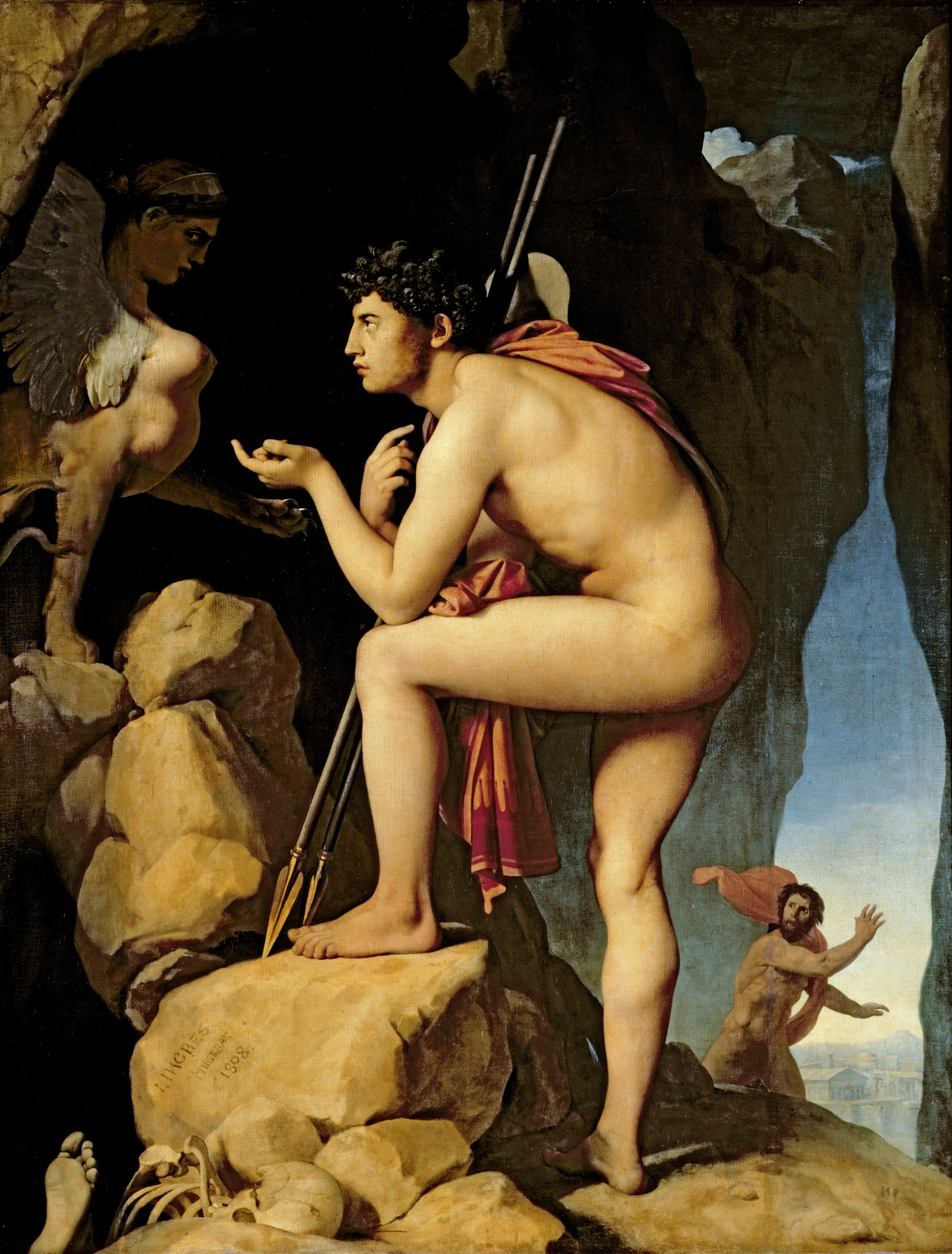
The concept of the Oedipus complex, deeply rooted in the myth of King Oedipus from ancient Greek tragedy, was formally introduced into psychoanalytic discourse by Sigmund Freud in his 1910 paper, "A Special Type of Choice of Object Made by Men." The term itself draws directly from the tale of Oedipus, who unknowingly killed his father and married his mother, a narrative Freud saw as a potent metaphor for primal human desires and familial dynamics. The myth's enduring power, as explored by playwrights like Sophocles centuries prior, provided fertile ground for Freud's exploration of the unconscious.
⚙️ How It Works
At its core, the Oedipus complex operates through a dynamic of unconscious desire and rivalry. For boys, the process begins with an erotic attachment to the mother, perceived as the primary source of comfort and gratification. This desire, however, clashes with the perceived threat posed by the father, who is seen as a rival for the mother's affection and a figure of authority. Freud theorized that this realization leads to castration anxiety, a fear of punishment from the father, which compels the boy to repress his desires for the mother and identify with the father instead. For girls, the 'feminine Oedipus complex' is theorized to involve an initial attachment to the mother, followed by a shift towards the father after realizing the anatomical difference in genitalia, leading to penis envy and rivalry with the mother. The successful navigation of these complex emotions, according to Freudian theory, allows the child to internalize societal rules and develop a healthy sexual identity, though the unconscious remnants can manifest in adult relationships and psychological issues.
📊 Key Facts & Numbers
The Oedipus complex is a foundational concept in psychoanalysis. While direct empirical validation remains elusive, the Oedipus complex has been cited in over 10,000 academic papers and books since its inception, demonstrating its persistent relevance in psychological discourse.
👥 Key People & Organizations
The central figure in the theoretical development of the Oedipus complex is undoubtedly Sigmund Freud. His son, Anna Freud, continued and expanded upon his work, particularly in the field of child psychoanalysis. Other key figures who engaged with or critiqued Freudian theory include Carl Jung, who proposed the 'Electra complex' as a female counterpart, and Jacques Lacan, who reinterpreted the complex through a linguistic and structuralist lens. Literary figures like Sophocles, whose play Oedipus Rex provided the mythic basis, and later writers who explored familial dynamics, have also played a significant role in keeping these themes alive.
🌍 Cultural Impact & Influence
The Oedipus complex has permeated Western culture, influencing not only psychology but also literature, film, and art. Its narrative structure, exploring themes of forbidden desire, familial betrayal, and the inescapable nature of fate, has been a recurring motif in countless works. From Shakespeare's Hamlet to modern films like The Godfather, the echoes of Oedipal conflict can be detected in stories of sons grappling with paternal authority and maternal influence. The term "Oedipus complex" has entered common parlance, often used colloquially to describe intense parental favoritism or rivalry. In literary criticism, the Oedipus complex has been a powerful analytical tool for dissecting character motivations and thematic underpinnings, as seen in the works of critics like Harold Bloom. The concept's enduring presence in cultural discourse underscores its resonance with fundamental human experiences of love, hate, and belonging within the family unit.
⚡ Current State & Latest Developments
Modern developmental psychology often emphasizes attachment theory, social learning, and cognitive development as more significant factors in shaping a child's relationships and identity. However, the underlying themes of familial desire, rivalry, and the formation of identity in relation to parents continue to be explored through different theoretical frameworks. Recent discussions in neuroscience and evolutionary psychology have begun to re-examine the biological underpinnings of familial bonds and social behaviors, offering new perspectives that may indirectly touch upon the dynamics Freud described, albeit without direct adherence to his specific constructs. The debate over its scientific merit continues, with some scholars arguing for its metaphorical or archetypal significance rather than literal psychological truth.
🤔 Controversies & Debates
The Oedipus complex is one of the most debated concepts in the history of psychology, drawing criticism from various theoretical standpoints. A primary criticism centers on its lack of empirical verifiability; the unconscious nature of the desires and anxieties Freud described makes them exceedingly difficult to test scientifically. Critics like Karen Horney challenged the universality of the complex, particularly the concept of penis envy, suggesting it reflected Freud's own patriarchal biases rather than objective psychological reality. Post-structuralist thinkers have also critiqued its essentialist view of gender and family structures. Furthermore, the complex has been accused of being culturally specific, potentially reflecting late 19th-century Viennese societal norms rather than a timeless human condition. The very idea of childhood sexuality, as posited by Freud, was revolutionary and controversial in his time and remains a point of contention, with many arguing that Freud projected adult desires onto children.
🔮 Future Outlook & Predictions
The future of the Oedipus complex as a theoretical construct is likely to remain one of continued reinterpretation and critical engagement. While its direct application in clinical practice may diminish, the archetypal themes it represents—desire, rivalry, identity formation, and the struggle for independence from parental figures—will undoubtedly persist in psychological inquiry. Future research might explore the neurological basis of familial bonding and attachment, potentially offering new insights into the origins of these complex emotional dynamics. It is plausible that elements of the Oedipus complex will be re-examined through the lens of evolutionary psychology or attachment theory, seeking to understand the adaptive functions of such
Key Facts
- Category
- philosophy
- Type
- topic