
Contents
- 🎶 The Sound of a Thousand Years: Ofra Haza's Musical Genesis
- 🌍 Bridging Worlds: From Tel Aviv to Global Stages
- 🌟 The Voice That Defined a Generation: Key Albums & Tracks
- 🎤 Live Performance: The Electric Energy of Ofra Haza
- 📈 Cultural Impact & Legacy: More Than Just Music
- 🤔 The Controversy Spectrum: Authenticity and Appropriation Debates
- 🎧 Where to Experience Ofra Haza's Music Today
- 💡 For the Curious Listener: Getting Started with Ofra Haza
- Frequently Asked Questions
- Related Topics
Overview
Ofra Haza’s sonic universe wasn't born in a vacuum; it was a vibrant distillation of centuries of Yemenite Jewish musical traditions, blended with the pulsating rhythms of 1980s pop. Born in Tel Aviv in 1957 to Yemenite immigrant parents, Haza grew up steeped in the piyyutim (liturgical poems) and folk songs of her heritage. This deep wellspring of tradition, characterized by intricate melisma and ancient modes, formed the bedrock of her distinctive sound. Early exposure to these sounds, often performed in intimate community gatherings, instilled in her a profound connection to her roots, a connection that would later resonate with millions worldwide. Her early career saw her rise through the Israeli music scene, initially as part of the group Shekhina, before launching a solo career that would redefine global music.
🌍 Bridging Worlds: From Tel Aviv to Global Stages
Haza’s journey from the vibrant, often insular, communities of Tel Aviv to the international stage is a testament to her extraordinary talent and ambition. Her breakthrough came with the 1988 album Im Nin'alu, which masterfully fused traditional Yemenite melodies with modern electronic production, catapulting her to global fame. This wasn't just a musical fusion; it was a cultural bridge, introducing the sounds of the Middle East to Western audiences in an accessible, yet deeply authentic, way. She performed at major international festivals and venues, becoming a cultural ambassador for Israel and a symbol of cross-cultural dialogue in an often-divided world. Her ability to connect with diverse audiences, transcending language and religious barriers, cemented her status as a truly global artist.
🌟 The Voice That Defined a Generation: Key Albums & Tracks
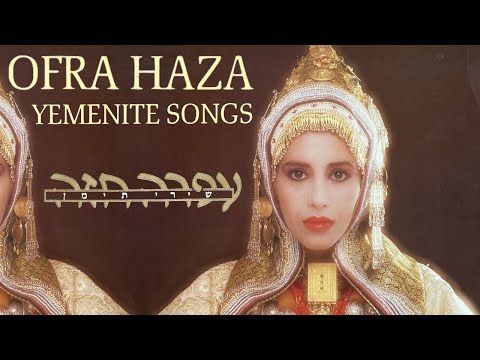
To truly grasp Ofra Haza’s artistry, one must explore her discography, a rich tapestry woven with innovation and tradition. Im Nin'alu (1988) remains her most iconic work, featuring the title track that became a global dance hit, sampling a 17th-century poem. Subsequent albums like Shaday (1988) and Yemenite Songs (1984) further showcased her evolving sound, blending pop sensibilities with her signature Yemenite vocalizations. Tracks like 'Galbi' and 'Daw Da Hiya' exemplify her ability to craft infectious melodies that carry profound emotional weight. Her later work, including collaborations with Western artists, demonstrated a continued willingness to experiment, though always rooted in her unique vocal identity.
🎤 Live Performance: The Electric Energy of Ofra Haza
Witnessing Ofra Haza perform live was an electrifying experience, a potent blend of raw vocal power and captivating stage presence. Her concerts were not merely musical recitals but immersive cultural events, where the ancient met the contemporary with palpable energy. She commanded the stage with a grace and intensity that drew audiences into her world, whether she was performing in a grand concert hall or a more intimate club. The emotional depth of her voice, capable of conveying both profound sorrow and unbridled joy, was amplified in a live setting, creating a direct connection with every listener. Her performances were a vibrant testament to the enduring power of her musical heritage.
📈 Cultural Impact & Legacy: More Than Just Music
Ofra Haza's legacy extends far beyond her chart success; she fundamentally altered perceptions of Middle Eastern music and Israeli identity on the global stage. She demonstrated that traditional sounds could be both commercially viable and artistically profound, paving the way for subsequent generations of world music artists. Her success challenged Western-centric notions of popular music, proving that a unique cultural voice could achieve universal appeal. Haza became a symbol of pride for many, particularly within the Mizrahi Jewish community in Israel, who had historically faced cultural marginalization. Her influence can be seen in the continued exploration of global sounds in contemporary music.
🤔 The Controversy Spectrum: Authenticity and Appropriation Debates
The success of Im Nin'alu and Haza's subsequent international career inevitably sparked debates surrounding cultural appropriation and authenticity. While many celebrated her as a brilliant interpreter and global ambassador of Yemenite Jewish culture, others questioned the extent to which her pop-infused interpretations diluted or commercialized sacred traditions. Critics sometimes pointed to the perceived gap between her traditional roots and her mainstream appeal, particularly in Western markets. However, Haza consistently maintained that her work was a sincere expression of her heritage, a way to share its beauty with a wider audience. This tension between tradition and modernity, authenticity and commercialization, remains a key point of discussion regarding her career.
🎧 Where to Experience Ofra Haza's Music Today
Experiencing Ofra Haza's music today is readily accessible through various digital platforms. Her albums, including the seminal Im Nin'alu, Shaday, and Yemenite Songs, are available on major streaming services like Spotify, Apple Music, and YouTube Music. For those seeking a deeper dive, physical copies of her CDs and vinyl records can often be found through online retailers and specialist music stores. Documentaries and interviews about her life and career are also widely available online, offering further insight into her journey and impact. Exploring her discography provides a direct portal into the unique soundscape she cultivated.
💡 For the Curious Listener: Getting Started with Ofra Haza
To begin your journey with Ofra Haza, start with her most internationally recognized album, Im Nin'alu (1988). Pay close attention to the title track and 'Galbi' to understand the fusion that brought her global acclaim. For a more concentrated dose of her traditional roots, seek out Yemenite Songs (1984). If you're interested in the cultural context and debates surrounding her career, research articles discussing Mizrahi music and the concept of world music in the late 20th century. Understanding the historical and social milieu of Israel during her rise is also crucial for appreciating her significance. Her music offers a rich, rewarding exploration for anyone interested in the intersection of culture, identity, and global sound.
Key Facts
- Year
- 1957
- Origin
- Tel Aviv, Israel
- Category
- Music & Culture
- Type
- Person
Frequently Asked Questions
What is Ofra Haza best known for?
Ofra Haza is best known for her unique fusion of traditional Yemenite Jewish music with contemporary pop and electronic sounds. Her 1988 album 'Im Nin'alu' and its title track achieved massive international success, introducing her distinctive voice and cultural heritage to a global audience. She became a prominent figure in the world music scene and a cultural ambassador for Israel.
Where did Ofra Haza come from?
Ofra Haza was born in Tel Aviv, Israel, in 1957. Her parents were immigrants from Yemen, and she grew up immersed in the rich musical traditions of Yemenite Jewish culture. This heritage profoundly influenced her musical style throughout her career.
What were some of her biggest hits?
Her most famous international hit is undoubtedly 'Im Nin'alu' from the 1988 album of the same name. Other notable tracks that showcased her unique sound include 'Galbi,' 'Daw Da Hiya,' and 'Temple of Love.' Her discography features a blend of traditional Yemenite melodies and more contemporary pop arrangements.
Did Ofra Haza collaborate with Western artists?
Yes, Ofra Haza collaborated with several Western artists throughout her career, seeking to further bridge musical worlds. One notable collaboration was with the British band Erasure on their song 'Temple of Love,' which became a hit in the UK. These collaborations often aimed to blend her distinctive vocal style with different musical genres.
What is the controversy surrounding Ofra Haza's music?
The primary controversy revolves around debates of cultural authenticity and appropriation. While celebrated for bringing Yemenite Jewish music to a global audience, some critics questioned whether her pop-infused interpretations diluted or commercialized sacred traditions. Haza maintained her work was a sincere expression of her heritage, but the tension between tradition and commercial appeal remains a point of discussion.
When did Ofra Haza pass away?
Ofra Haza passed away on February 23, 2000, at the age of 42, due to complications from AIDS. Her untimely death was a significant loss to the music world, cutting short a career that had already achieved remarkable international success and cultural impact.