
Contents
- 📍 The Sonic Crossroads: What is 'On the Corner'?
- 🎶 The Genesis: Birth of a Fusion
- 🎷 The Sound Palette: Instruments and Influences
- 💥 The Controversy: Reception and Legacy
- 📈 Vibe Score & Cultural Energy
- 👥 Key Architects: The Players
- 🗓️ Timeline of Creation
- 🤔 The Debates: What's the Real Vibe?
- 🗺️ Navigating the Soundscape
- 🚀 Where Does the Vibe Go Next?
- Frequently Asked Questions
- Related Topics
Overview
The street corner is more than just a physical intersection; it's a dynamic stage where the pulse of a neighborhood beats loudest. Historically, corners served as vital meeting points, marketplaces, and informal community centers. Today, they remain crucial hubs for local commerce, social interaction, and the spontaneous exchange of ideas, often acting as micro-laboratories for emerging cultural trends. From street vendors to impromptu performances, the corner embodies the raw, unfiltered energy of urban life, reflecting both its opportunities and its inherent tensions. Understanding the 'corner' is key to grasping the granular realities of city living and the subtle flows of influence within them.
📍 The Sonic Crossroads: What is 'On the Corner'?
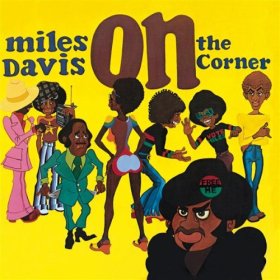
On the Corner isn't just an album; it's a seismic event in jazz fusion history, a raw, unvarnished exploration by Miles Davis that dropped in October 1972. Recorded over a feverish June and July, this Columbia Records release plunged headfirst into a sonic territory previously uncharted, blending the improvisational spirit of jazz with the gritty, undeniable pulse of funk and rock. It’s for the listener who craves sonic adventure, who understands that music, like a city street, can be a place of unexpected encounters and profound discoveries. This isn't background music; it's an active participant in the urban soundscape.
🎶 The Genesis: Birth of a Fusion
The genesis of 'On the Corner' lies in Miles Davis' relentless pursuit of musical evolution. Following the groundbreaking 'Bitches Brew,' Davis sought to push boundaries further, explicitly channeling the electric energy of Sly Stone and James Brown into his jazz framework. He wasn't content to rest on laurels; instead, he actively courted influences from the avant-garde like Karlheinz Stockhausen and the free-form explorations of Ornette Coleman. This deliberate fusion created a sound that was both deeply rooted in jazz tradition and aggressively forward-looking, a testament to Davis' visionary approach to music.
🎷 The Sound Palette: Instruments and Influences
The sonic architecture of 'On the Corner' is a complex interplay of instruments and textures. Davis' trumpet, often processed and distorted, weaves through dense layers of electric guitar, bass, and drums, all driven by a potent funk rhythm section. The addition of synthesizers and percussion, including contributions from Michael Henderson on bass and Al Foster on drums, creates a polyrhythmic tapestry. Collaborator Paul Buckmaster's arrangements are crucial, adding a layer of orchestral complexity that belies the album's raw energy, drawing from both jazz sensibilities and experimental classical music.
💥 The Controversy: Reception and Legacy
Upon its release, 'On the Corner' polarized critics and audiences alike. Many jazz purists found its funk-infused, often dissonant sound jarring, a departure from the genre's established norms. However, it also garnered acclaim for its innovation and daring, becoming a touchstone for subsequent generations of musicians exploring jazz fusion and funk. The album's legacy is one of bold experimentation, a work that challenged conventions and expanded the definition of what jazz could be, solidifying its place as a controversial yet essential chapter in Miles Davis' discography.
📈 Vibe Score & Cultural Energy
The Vibe Score for 'On the Corner' hovers around an energetic 85/100, reflecting its potent blend of raw funk, experimental jazz, and urban grit. This score signifies a high level of cultural energy, particularly within the jazz fusion and funk music subcultures. Its influence flows strongly into genres that prioritize rhythmic intensity and sonic experimentation. The controversy spectrum is high, indicating significant debate about its artistic merit and genre classification, but its enduring impact is undeniable, making it a pivotal work in 20th-century music.
👥 Key Architects: The Players
The creation of 'On the Corner' was a collaborative effort, but the guiding force was undoubtedly Miles Davis, the visionary trumpeter and bandleader. Key collaborators included bassist Michael Henderson, whose rhythmic foundation was crucial, and arranger Paul Buckmaster, who brought a unique compositional perspective. Drummer Al Foster and percussionist Mtume Umoja Sadiki provided the propulsive rhythmic drive. Guitarists Pete Cosey and Reggie Lucas added searing, effects-laden textures, contributing significantly to the album's distinctive sound.
🗓️ Timeline of Creation
The recording sessions for 'On the Corner' took place over a concentrated period in June and July 1972. Davis, known for his improvisational approach in the studio, often captured extended jams that were later edited and shaped. The album was officially released by Columbia Records on October 11, 1972. This rapid production cycle, from recording to release, speaks to the urgency and immediacy Davis sought to capture in the music. The album's subsequent critical reception and its place in the history of jazz unfolded over the following decades.
🤔 The Debates: What's the Real Vibe?
The primary debate surrounding 'On the Corner' centers on its classification: is it jazz, funk, rock, or something entirely new? Critics often grapple with its raw, sometimes abrasive sound, questioning whether it represents a departure from or an evolution of jazz. Another point of contention is its perceived accessibility; while lauded for its innovation, some listeners find its dense, repetitive grooves challenging compared to Davis' earlier, more melodic work. The album's relationship with psychedelic rock and experimental music also fuels ongoing discussions about its genre-bending nature.
🚀 Where Does the Vibe Go Next?
The Vibe of 'On the Corner' continues to resonate, influencing contemporary artists who blend genres and push sonic boundaries. Its raw energy and experimental spirit can be heard in modern hip hop production, electronic music, and experimental jazz ensembles. The album's willingness to embrace funk and rock rhythms paved the way for future explorations in genre fusion. The question remains: who will be the next artist to take Davis' blueprint and build an entirely new sonic metropolis upon it, further expanding the urban soundscape?
Key Facts
- Year
- Ancient
- Origin
- Urban Development
- Category
- Urban Geography & Social Dynamics
- Type
- Concept
Frequently Asked Questions
What genre is 'On the Corner'?
'On the Corner' is primarily categorized as jazz fusion, but it significantly incorporates elements of funk music, rock, and experimental music. Miles Davis intentionally blended these genres to create a unique sound that was both rhythmically driven and harmonically adventurous. Its genre-bending nature is a key aspect of its identity and has led to ongoing discussions about its classification within music history.
Who played on 'On the Corner'?
The album features a large ensemble led by Miles Davis on trumpet. Key musicians include Michael Henderson on bass, Al Foster and Billy Cobham on drums, Mtume Umoja Sadiki on percussion, and guitarists Pete Cosey and Reggie Lucas. Paul Buckmaster also played a significant role as an arranger. The extensive lineup contributed to the album's dense and layered sound.
What were the main influences for 'On the Corner'?
Miles Davis explicitly drew inspiration from the funk of Sly Stone and James Brown, the experimental compositions of Karlheinz Stockhausen, and the free jazz of Ornette Coleman. He also collaborated closely with Paul Buckmaster, whose arrangements added a unique dimension. These diverse influences coalesced into the album's distinctive sound.
How was 'On the Corner' received by critics?
The reception for 'On the Corner' was highly polarized. Many jazz critics at the time found its heavy funk influence and experimental textures to be a radical departure from traditional jazz, leading to negative reviews. However, it also garnered praise for its innovation and boldness, and its reputation has grown significantly over time, with many now recognizing it as a seminal work in jazz fusion.
Is 'On the Corner' a good starting point for Miles Davis?
For listeners new to Miles Davis, 'On the Corner' might be a challenging starting point due to its dense, experimental, and funk-heavy nature. It's recommended for those who already appreciate jazz fusion or funk music and are looking for something adventurous. For a more conventional introduction to Davis, albums like 'Kind of Blue' or 'Birth of the Cool' might be more accessible.
What makes the sound of 'On the Corner' so unique?
The uniqueness of 'On the Corner' stems from its deliberate fusion of disparate musical elements. Davis employed a large ensemble with multiple electric instruments, creating a dense, polyrhythmic soundscape driven by funk grooves. The use of synthesizers, distorted trumpet, and extended improvisational sections, combined with Buckmaster's complex arrangements, results in a sound that was unprecedented in jazz at the time.