
Contents
Overview
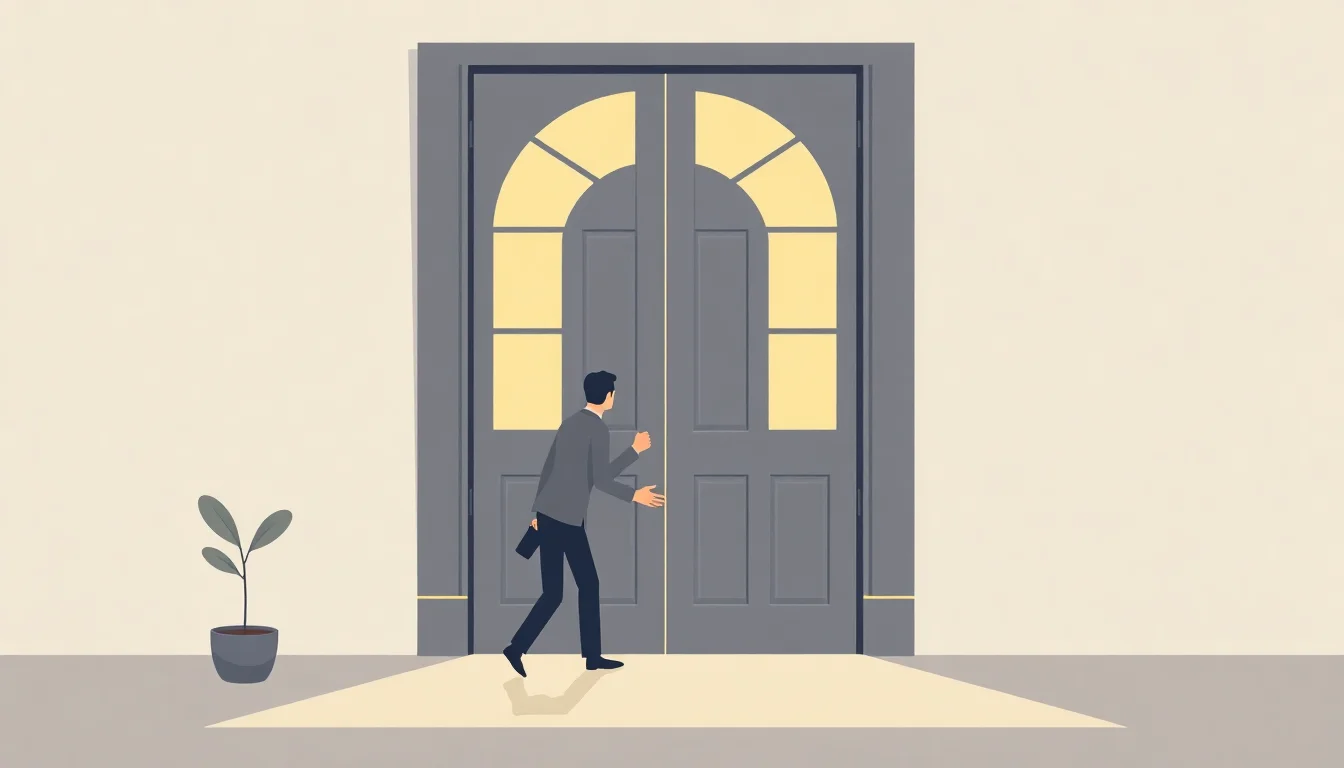
Outbound marketing is a traditional business strategy where companies initiate contact with consumers, pushing their products or services through various channels. Historically, this encompassed everything from door-to-door sales and direct mail to telemarketing and print advertisements. In its modern, often pejorative sense, it's characterized by 'interruption marketing' – tactics designed to grab attention by disrupting a user's current activity, such as unsolicited email blasts, intrusive pop-up ads, and cold calls. While often contrasted with inbound marketing, which aims to attract customers by providing valuable content, outbound marketing remains a significant, albeit evolving, component of many marketing mixes, particularly for reaching broad audiences or generating immediate leads. Its effectiveness is debated, with critics citing declining ROI and consumer fatigue, while proponents argue for its strategic application in specific contexts and industries.
🎵 Origins & History
The roots of outbound marketing stretch back to the earliest forms of commerce, long before the digital age. Peddlers hawking wares door-to-door in the 18th century, and the advent of direct mail campaigns all represent early outbound efforts. The 20th century saw the professionalization of these tactics with the rise of mass media. Companies like Sears, Roebuck and Co. built empires on catalog sales, a prime example of outbound reach. The digital revolution initially seemed to favor inbound strategies, but outbound tactics simply adapted, manifesting as email blasts, paid search ads, and social media ads.
⚙️ How It Works
Outbound marketing operates on the principle of proactive outreach. It involves identifying a target audience and then directly delivering a marketing message to them, often without prior invitation. Common channels include cold calling (unsolicited phone calls), direct mail (physical mailers), print ads in magazines and newspapers, TV commercials, radio spots, and digital equivalents like banner ads, pop-up advertisements, and unsolicited emails (spam). The core mechanism is interruption: the message is designed to cut through the noise and capture the recipient's attention, aiming to generate interest, leads, or immediate sales. This contrasts sharply with inbound marketing, which focuses on attracting customers through content like blog posts, SEO, and social media engagement.
📊 Key Facts & Numbers
While the global digital advertising market is significant, specific figures for outbound marketing's share are not provided here. Telemarketing's efficiency is debated. Direct mail campaigns can have response rates as low as 1-5%, but for highly targeted lists, this can still be effective. A single unsolicited email campaign can reach millions, with open rates often hovering between 15-25% for legitimate businesses, though spam rates are far higher. Despite the rise of inbound strategies, companies still allocate substantial budgets to outbound.
👥 Key People & Organizations
While no single individual 'invented' outbound marketing, figures like Claude Hopkins, often called the father of modern advertising, pioneered scientific approaches to direct-response print advertising, laying groundwork for measurable outbound campaigns. Companies like Dun & Bradstreet built their business on outbound lead generation through direct mail and telemarketing. In the digital realm, platforms like Google Ads and Meta (Facebook/Instagram) have become dominant channels for outbound digital advertising, enabling sophisticated targeting of outbound messages. HubSpot, a pioneer of inbound marketing, has also extensively documented and analyzed outbound tactics, often in contrast to their preferred methodology. Organizations like the Data & Marketing Association (DMA) advocate for and set standards for direct and digital marketing, including outbound strategies.
🌍 Cultural Impact & Influence
Outbound marketing has profoundly shaped consumer culture and expectations. It fostered the growth of mass media industries, relying heavily on advertising revenue. The constant barrage of messages has also led to increased consumer skepticism and the development of ad-blocking technologies. Historically, outbound tactics were the primary way businesses could scale their reach beyond local markets, enabling the growth of national and international brands. The cultural impact is undeniable, influencing everything from fashion trends, driven by magazine ads, to dietary choices, shaped by food product commercials. The very concept of 'selling' is often synonymous with outbound approaches in the popular imagination.
⚡ Current State & Latest Developments
In 2024, outbound marketing is far from dead, but it's undergoing significant transformation. Digital outbound channels like LinkedIn advertising and targeted programmatic display ads are becoming more sophisticated, leveraging data analytics to improve relevance and reduce annoyance. Account-based marketing (ABM), a highly targeted outbound strategy, is gaining traction in B2B sectors, focusing on high-value accounts with personalized outreach. While traditional methods like cold calling face declining effectiveness, advancements in AI are being used to automate and optimize outbound processes, from lead qualification to personalized message delivery. The focus is shifting from mass interruption to highly personalized, contextually relevant outreach, blurring the lines with inbound strategies.
🤔 Controversies & Debates
The primary controversy surrounding outbound marketing centers on its intrusive nature and perceived inefficiency. Critics argue that 'interruption marketing' annoys consumers, leading to ad fatigue, brand aversion, and the widespread use of ad blocking software. The effectiveness of tactics like cold calling is frequently questioned, with many experiencing low conversion rates and high rejection. Furthermore, the sheer volume of unsolicited messages, particularly spam emails, raises privacy concerns and contributes to information overload. Conversely, proponents argue that outbound marketing, when executed strategically and with precise targeting, can be highly effective, especially for reaching new markets, generating immediate leads, and driving brand awareness. The debate often boils down to whether the goal is to attract customers passively or to actively pursue them.
🔮 Future Outlook & Predictions
The future of outbound marketing likely lies in hyper-personalization and integration with inbound strategies. Expect a continued shift towards account-based marketing in B2B, where sales teams use data to craft highly tailored outreach for specific decision-makers. AI will play an even larger role, not just in automating outreach but in predicting customer needs and optimizing message timing and content. Channels that offer more control to the user, like SMS marketing with opt-in consent, may see renewed interest. The distinction between 'outbound' and 'inbound' may continue to blur as companies seek to create seamless customer journeys that incorporate both proactive engagement and value-driven attraction. The challenge will be to deliver value and relevance without resorting to the disruptive tactics that have alienated consumers.
💡 Practical Applications
Outbound marketing remains a vital tool for various business objectives. Cold calling and email outreach are still widely used in B2B sales to identify potential clients and schedule meetings. Direct mail can be effective for reaching demographics less active online or for high-value offers requiring a tangible presence. Telemarketing continues to be employed for customer service, surveys, and sales, particularly in sectors like finance and insurance. Digital display ads and social media advertisements are used for broad brand awareness campaigns and retargeting efforts. Even traditional methods like print advertisements in niche publications can effectively reach specific, engaged audiences. Fo
Key Facts
- Category
- marketing
- Type
- topic