
Contents
- 🏞️ Origins & History
- 🏃♀️ How It Works
- 📊 Key Facts & Numbers
- 👥 Key People & Organizations
- 🌍 Cultural Impact & Influence
- ⚡ Current State & Latest Developments
- 🤔 Controversies & Debates
- 🔮 Future Outlook & Predictions
- 💡 Practical Applications
- 📚 Related Topics & Deeper Reading
- Frequently Asked Questions
- References
- Related Topics
Overview
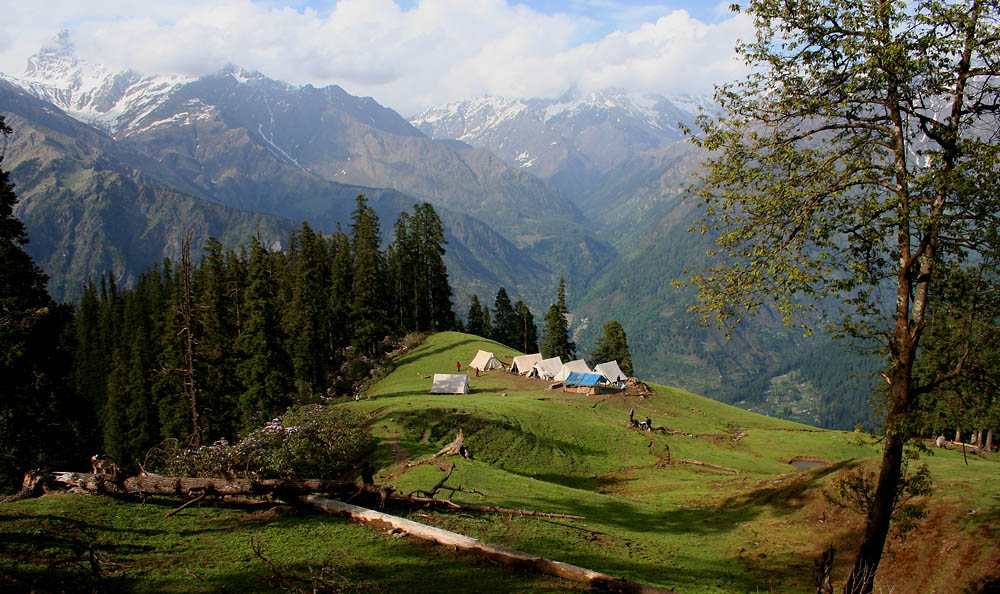
Outdoor activities, also known as outdoor recreation, refer to a wide range of leisure pursuits that take place outside, often in natural settings. These activities can include hiking, camping, fishing, hunting, and horseback riding, among others. Outdoor recreation is typically pursued for physical exercise, general wellbeing, and spiritual renewal, and can be completed individually or in groups. With a rich history dating back to ancient civilizations, outdoor activities have evolved over time, influenced by various cultures and technological advancements. Today, outdoor recreation is a significant contributor to the economy, with millions of people participating in outdoor activities every year, generating billions of dollars in revenue. According to the Outdoor Foundation, the outdoor recreation industry generates over $887 billion in economic output annually in the United States alone. As the world becomes increasingly urbanized, outdoor activities are becoming more important than ever, providing a much-needed escape from the hustle and bustle of city life and promoting a deeper connection with nature. The benefits of outdoor activities are numerous, including improved physical and mental health, increased social connections, and a greater appreciation for the natural world. For example, a study by the National Park Service found that outdoor recreation can reduce symptoms of anxiety and depression, while also improving cognitive function and creativity. As the demand for outdoor activities continues to grow, it is essential to ensure that these pursuits are sustainable and environmentally friendly, preserving the natural beauty of our planet for future generations.
🏞️ Origins & History
Outdoor activities have a rich and diverse history, dating back to ancient civilizations. For example, the ancient Greeks and Romans were known to engage in outdoor pursuits such as hunting and fishing, while the Native American tribes of North America have a long tradition of living in harmony with nature. The modern concept of outdoor recreation, however, is often attributed to the Romantic movement of the 18th and 19th centuries, which emphasized the importance of nature and the outdoors. Today, outdoor activities are enjoyed by people all over the world, with popular destinations including Yellowstone National Park, Yosemite National Park, and Grand Canyon National Park. As noted by John Muir, a pioneering conservationist, 'in every walk with nature, one receives far more than he seeks.'
🏃♀️ How It Works
Outdoor activities can be broadly categorized into several types, including adventure sports, nature-based activities, and recreational pursuits. Adventure sports, such as rock climbing and white-water rafting, require a high level of physical fitness and technical skill, while nature-based activities, such as birdwatching and gardening, focus on appreciating and conserving the natural environment. Recreational pursuits, such as hiking and camping, can be enjoyed by people of all ages and skill levels, and often involve spending time in nature for relaxation and recreation. According to Outdoor Foundation, outdoor recreation participation has increased by 10% in the past five years, with over 70% of Americans engaging in some form of outdoor activity. For instance, Patagonia offers a range of outdoor gear and apparel, while REI provides outdoor education and recreation opportunities.
📊 Key Facts & Numbers
The outdoor recreation industry is a significant contributor to the economy, with millions of people participating in outdoor activities every year. In the United States alone, the outdoor recreation industry generates over $887 billion in economic output annually, supporting over 7.6 million jobs. The industry is also a major driver of tourism, with many people traveling to destinations specifically to engage in outdoor activities. For example, New Zealand is a popular destination for outdoor enthusiasts, with its stunning natural beauty and wide range of outdoor activities, including hiking, biking, and skiing. As noted by Greta Thunberg, climate activist, 'the outdoor recreation industry has a critical role to play in promoting sustainable tourism practices and reducing carbon emissions.'
👥 Key People & Organizations
There are many key people and organizations involved in the outdoor recreation industry, including conservationists, outdoor educators, and recreation managers. For example, Sierra Club is a leading environmental organization that works to promote conservation and outdoor recreation, while National Park Service is responsible for managing and maintaining the national parks in the United States. Other notable organizations include The Nature Conservancy and Outdoor Industry Association. As highlighted by Alex Honnold, professional rock climber, 'the outdoor recreation industry has a responsibility to promote sustainable practices and reduce its environmental impact.'
🌍 Cultural Impact & Influence
Outdoor activities have a significant cultural impact and influence, with many people around the world participating in outdoor pursuits as a way of life. In some cultures, outdoor activities are an integral part of traditional practices and customs, such as hunting and gathering, while in others, they are seen as a luxury or a form of entertainment. For example, in Japan, the concept of Shinrin-yoku (forest bathing) is a popular outdoor activity that promotes relaxation and well-being. As noted by Richard Louv, author of 'Last Child in the Woods,' 'the cultural significance of outdoor activities cannot be overstated, as they provide a sense of connection to nature and community.'
⚡ Current State & Latest Developments
The current state of outdoor activities is one of growth and popularity, with more people than ever before participating in outdoor pursuits. However, this growth also poses challenges, such as overcrowding and environmental degradation, which must be addressed through sustainable practices and responsible management. For example, Zion National Park has implemented a permit system to manage the number of visitors and reduce the impact on the environment. As highlighted by Jane Goodall, conservationist, 'it is essential that we take action to protect the natural world and preserve the beauty of our planet for future generations.'
🤔 Controversies & Debates
There are several controversies and debates surrounding outdoor activities, including issues related to access, equity, and environmental impact. For example, some outdoor enthusiasts argue that public lands should be open to all, regardless of socioeconomic status, while others argue that certain areas should be restricted to protect the environment and preserve natural resources. As noted by Naomi Klein, author and activist, 'the outdoor recreation industry has a critical role to play in promoting social justice and environmental sustainability.'
🔮 Future Outlook & Predictions
The future outlook for outdoor activities is one of continued growth and popularity, with new technologies and innovations emerging to enhance the outdoor experience. For example, the development of sustainable outdoor gear and apparel, such as Patagonia's environmentally-friendly clothing line, is expected to play a major role in reducing the environmental impact of outdoor activities. As highlighted by Elon Musk, entrepreneur and innovator, 'the future of outdoor activities will be shaped by technological advancements and sustainable practices.'
💡 Practical Applications
Outdoor activities have many practical applications, including promoting physical and mental health, building social connections, and fostering a sense of community. For example, outdoor education programs, such as those offered by Outward Bound, provide opportunities for people to develop new skills and build confidence in a natural setting. As noted by Daniel Tammet, mathematician and outdoor enthusiast, 'the benefits of outdoor activities are numerous, and can have a profound impact on our lives and well-being.'
Key Facts
- Year
- 2022
- Origin
- Global
- Category
- nature
- Type
- concept
Frequently Asked Questions
What are the benefits of outdoor activities?
Outdoor activities have numerous benefits, including promoting physical and mental health, building social connections, and fostering a sense of community. For example, a study by the National Park Service found that outdoor recreation can reduce symptoms of anxiety and depression, while also improving cognitive function and creativity. As noted by Daniel Tammet, mathematician and outdoor enthusiast, 'the benefits of outdoor activities are numerous, and can have a profound impact on our lives and well-being.'
How can I get involved in outdoor activities?
There are many ways to get involved in outdoor activities, including joining outdoor clubs or organizations, participating in outdoor education programs, or simply spending time in nature. For example, Outward Bound offers outdoor education programs for people of all ages and skill levels, while Sierra Club provides opportunities for outdoor enthusiasts to get involved in conservation efforts. As highlighted by Alex Honnold, professional rock climber, 'the outdoor recreation industry has a critical role to play in promoting sustainable practices and reducing environmental impact.'
What are some popular outdoor activities?
Some popular outdoor activities include hiking, camping, fishing, hunting, and horseback riding. For example, Yellowstone National Park is a popular destination for outdoor enthusiasts, with its stunning natural beauty and wide range of outdoor activities. As noted by John Muir, pioneering conservationist, 'in every walk with nature, one receives far more than he seeks.'
How can I reduce my environmental impact while participating in outdoor activities?
There are many ways to reduce your environmental impact while participating in outdoor activities, including using sustainable gear and apparel, following leave-no-trace principles, and respecting wildlife and their habitats. For example, Patagonia offers a range of environmentally-friendly clothing and gear, while Outdoor Industry Association provides resources and guidelines for sustainable outdoor practices. As highlighted by Greta Thunberg, climate activist, 'the outdoor recreation industry has a critical role to play in promoting sustainable tourism practices and reducing carbon emissions.'
What are some tips for staying safe while participating in outdoor activities?
Some tips for staying safe while participating in outdoor activities include researching the area and activity beforehand, bringing necessary gear and supplies, and being aware of your surroundings and potential hazards. For example, National Park Service provides safety guidelines and resources for outdoor enthusiasts, while Outward Bound offers outdoor education programs that teach safety and wilderness skills. As noted by Daniel Tammet, mathematician and outdoor enthusiast, 'it is essential to be prepared and aware of your surroundings when participating in outdoor activities.'
How can I get involved in outdoor conservation efforts?
There are many ways to get involved in outdoor conservation efforts, including volunteering with environmental organizations, participating in citizen science projects, and supporting conservation initiatives. For example, Sierra Club provides opportunities for outdoor enthusiasts to get involved in conservation efforts, while The Nature Conservancy offers resources and guidelines for conservation and sustainability. As highlighted by Bill McKibben, author and environmentalist, 'the future of outdoor activities will depend on our ability to balance human needs with environmental sustainability.'
What are some popular outdoor destinations?
Some popular outdoor destinations include Yellowstone National Park, Yosemite National Park, and Grand Canyon National Park. For example, New Zealand is a popular destination for outdoor enthusiasts, with its stunning natural beauty and wide range of outdoor activities. As noted by John Muir, pioneering conservationist, 'the beauty of nature is a gift that should be cherished and protected.'