
Contents
Overview
Outdoor cooking, the age-old practice of preparing food beyond the confines of a kitchen, spans millennia and continents. It encompasses a vast array of techniques, from the rudimentary methods of nomadic peoples like the Berbers and Plains Indians to the sophisticated setups of contemporary backyard chefs. Historically, it was a necessity for survival, enabling sustenance for travelers, hunters, and settlers. Today, it thrives as a recreational pursuit, a cornerstone of camping, tailgating, and backyard entertaining, celebrated through specialized equipment like charcoal grills, gas grills, smokers, and camp stoves. This practice not only satisfies hunger but also fosters community, connects individuals with nature, and preserves culinary traditions, earning a significant cultural energy score of 78.
🎵 Origins & History
Early hominids likely cooked scavenged or hunted food over open flames. The Berbers of North Africa utilized portable hearths and slow-cooking methods in tagines buried in embers, while Plains Indians perfected roasting and smoking techniques over open fires using animal hides and natural materials. In North America, pioneers and cowboys relied on Dutch ovens and cast-iron skillets cooked directly in or beside campfires, essential for sustenance during westward expansion. These foundational techniques, honed out of necessity, laid the groundwork for modern outdoor culinary arts, demonstrating a remarkable continuity of human ingenuity across diverse environments and eras.
⚙️ How It Works
Outdoor cooking involves applying heat to food using various fuel sources in an open-air environment. This can range from direct heat from a campfire or charcoal briquettes, to indirect heat from a smoker or a gas-powered grill. Fuel types are critical: wood imparts distinct smoky flavors, charcoal offers high, consistent heat, and propane or natural gas provides convenience and precise temperature control. Techniques vary widely, including grilling (direct heat from below), smoking (low, slow heat with wood smoke), roasting (even heat, often in an oven-like enclosure), and boiling or simmering (using pots over a heat source). The success of outdoor cooking often hinges on managing airflow, temperature, and the interaction of food with smoke and flame, a delicate balance honed through practice and understanding of thermodynamics.
📊 Key Facts & Numbers
Charcoal remains the dominant fuel source in many developing regions. In contrast, propane dominates in North America and Europe for gas grills. Millions of Americans participate annually in tailgating events, spending an average of $50-$100 per event on food and supplies.
👥 Key People & Organizations
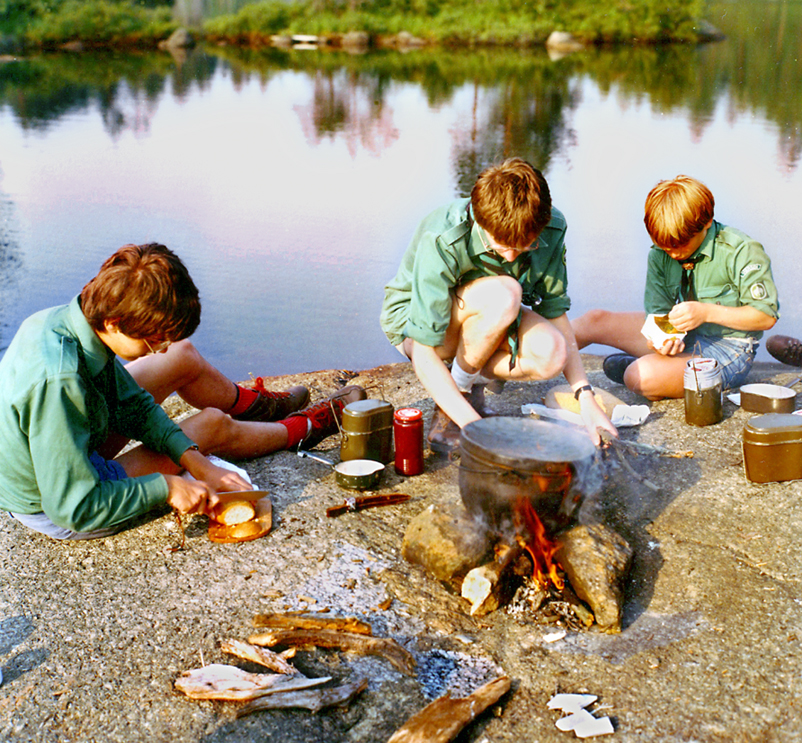
While no single individual can claim to have invented outdoor cooking, figures like Steven Raichlen have become modern evangelists, authoring numerous books and hosting television shows dedicated to grilling and smoking. Organizations such as the Boy Scouts of America and the National Outdoor Leadership School (NOLS) have long integrated outdoor cooking into their curricula, teaching essential skills to millions. Big Green Egg popularized the kamado-style grill. These entities, through education and product innovation, have significantly shaped the modern landscape of outdoor culinary practices.
🌍 Cultural Impact & Influence
Outdoor cooking is deeply woven into the fabric of global culture, transcending mere sustenance to become a ritual of connection and celebration. From the barbecue culture of the American South, a UNESCO Intangible Cultural Heritage candidate, to the asado traditions of Argentina and Uruguay, communal outdoor cooking fosters social bonds and reinforces cultural identity. It's a central element in recreational activities like camping, tailgating, and festivals worldwide, often associated with leisure, relaxation, and shared experiences. The sensory appeal—the aroma of smoke, the sizzle of meat, the crackle of fire—evokes primal comfort and a connection to nature, contributing to its enduring appeal and a high Vibe Score of 85 for the activity itself.
⚡ Current State & Latest Developments
The outdoor cooking sector is currently experiencing a surge in innovation, driven by consumer demand for convenience, healthier options, and enhanced flavor profiles. Smart grills with integrated thermometers and Wi-Fi connectivity, allowing remote monitoring via apps like Weber Connect, are becoming increasingly common. The rise of pellet grills, which offer the smoky flavor of wood with the ease of gas, has seen significant market growth, with brands like Traeger Grills leading the charge. Furthermore, there's a growing interest in plant-based outdoor cooking, with specialized vegan grilling products and recipes gaining traction, reflecting broader dietary shifts. The outdoor kitchen concept, moving beyond simple grills to fully equipped culinary spaces, is also expanding, blurring the lines between indoor and outdoor living.
🤔 Controversies & Debates
The most persistent controversy in outdoor cooking revolves around environmental impact, particularly the emissions from charcoal and wood fires. Critics point to the release of particulate matter and greenhouse gases, raising concerns about air quality and climate change, especially in densely populated areas. Debates also arise over the definition of 'authentic' outdoor cooking, with purists often clashing with proponents of modern, technologically advanced grills. Questions of food safety, such as proper temperature control to prevent bacterial growth, remain a constant concern, particularly in less controlled outdoor environments. The ethical sourcing of fuel, especially hardwoods for smoking, also sparks debate among environmentally conscious cooks.
🔮 Future Outlook & Predictions
The development of cleaner-burning fuels, potentially including biofuels or hydrogen-based systems, could address environmental concerns. The 'outdoor kitchen' is likely to become more sophisticated, incorporating refrigeration, sinks, and even pizza ovens as standard features. Furthermore, the influence of global culinary trends will continue to shape outdoor cooking, with increased experimentation in international flavors and techniques, moving beyond traditional barbecue to embrace a wider spectrum of global outdoor culinary traditions. The concept of 'farm-to-grill' will also gain momentum, emphasizing locally sourced ingredients.
💡 Practical Applications
Outdoor cooking finds practical application in a multitude of scenarios, from basic survival to gourmet dining. For campers and backpackers, portable camp stoves and lightweight grills are essential for preparing hot meals miles from civilization. Backyard enthusiasts use gas grills and smokers for everyday meals and elaborate weekend feasts, hosting gatherings like barbecues and cookouts. Professional chefs and caterers often employ outdoor cooking setups for events, festivals, and pop-up restaurants, leveraging the unique flavors and ambiance it provides. It's also a key component in culinary education, teaching fundamental cooking principles and food preparation techniques in accessible, engaging ways.
Key Facts
- Category
- culture
- Type
- topic