
Contents
Overview
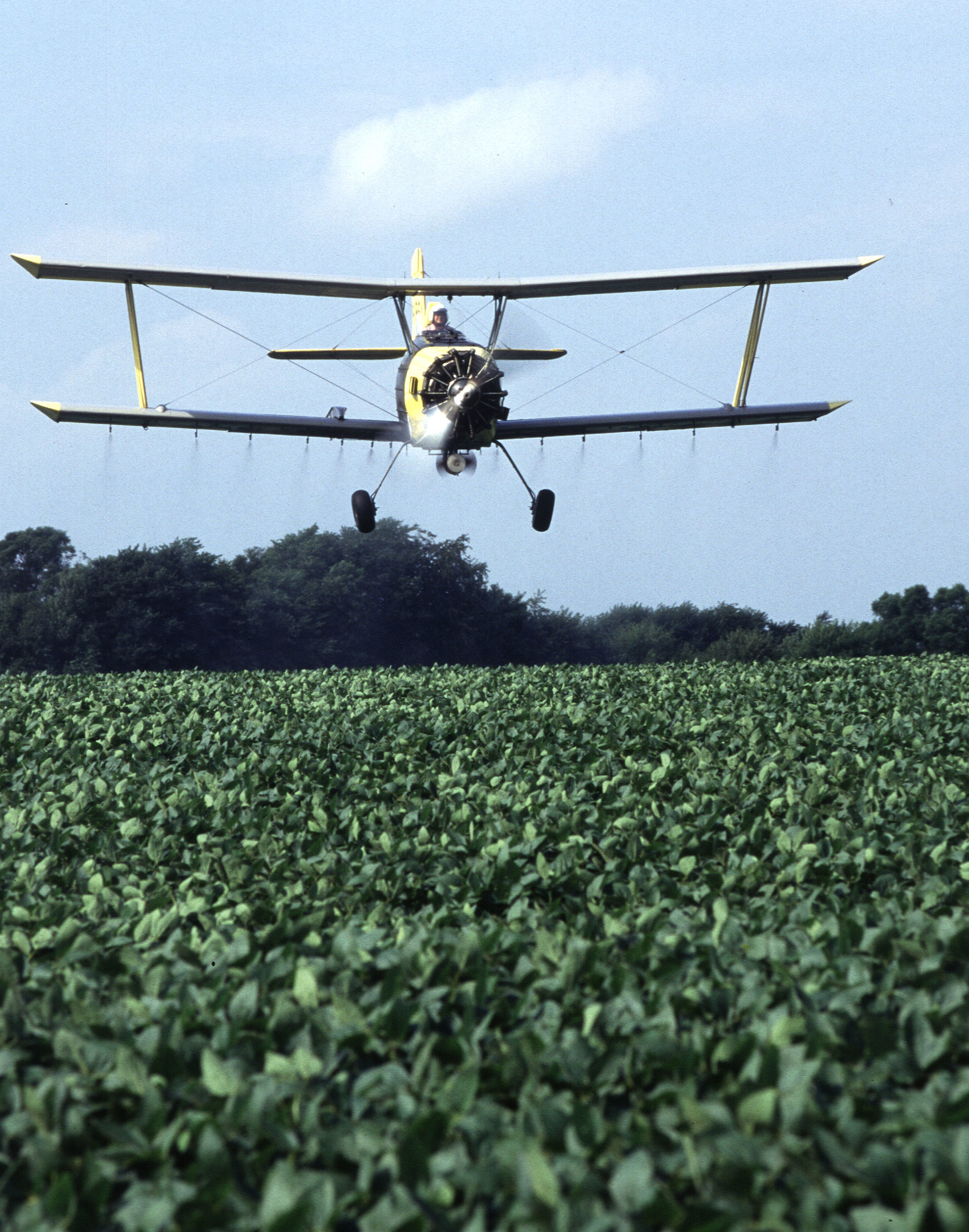
Pest management encompasses the regulation and control of species deemed detrimental to human health, economy, or ecological balance. This practice spans a vast spectrum, from simple tolerance and deterrence to aggressive eradication efforts, often integrated into comprehensive strategies. Historically, humanity has employed mechanical, cultural, and biological methods to protect crops and dwellings, with chemical interventions becoming prominent in the 20th century. Today, concerns over environmental impact and resistance development are driving a resurgence in integrated pest management (IPM), emphasizing monitoring, targeted applications, and biological controls. The global pest management market, valued at over $70 billion annually, reflects the pervasive and persistent nature of this challenge across agriculture, public health, and urban environments.
🎵 Origins & History
Ancient Egyptians and Romans understood the value of crop rotation and companion planting to deter pests. The advent of the plow and other mechanical tools in the agricultural revolution provided new ways to disrupt pest life cycles. The publication of Rachel Carson's Silent Spring in 1962 served as a critical turning point, igniting widespread public concern and prompting a re-evaluation of chemical-heavy approaches, paving the way for more nuanced strategies.
⚙️ How It Works
At its core, pest management involves identifying the pest, understanding its biology and life cycle, and then selecting the most appropriate control method or combination of methods. This often follows the principles of Integrated Pest Management (IPM), a science-based decision-making process. Effective management requires continuous assessment and adaptation to evolving pest resistance and environmental conditions.
📊 Key Facts & Numbers
The global pest management market is a colossal industry, estimated to be worth over $70 billion annually and projected to grow steadily. In the United States alone, homeowners spend an average of $200 to $300 per year on pest control services, with commercial pest control services accounting for billions more. Agriculture is a massive consumer, with global pesticide sales exceeding $50 billion in 2022. The economic impact of pests is staggering; for example, the codling moth can cause up to 80% crop loss in apples if left unchecked, while termites cause an estimated $5 billion in damage to structures in the U.S. each year. Globally, insect pests are responsible for an estimated 10-16% loss in agricultural production, amounting to hundreds of billions of dollars in lost revenue.
👥 Key People & Organizations
Pioneering figures in pest management include Rachel Carson, whose book Silent Spring (1962) catalyzed the modern environmental movement and highlighted the dangers of indiscriminate pesticide use. Robert L. Metcalf, a renowned entomologist, made significant contributions to understanding insecticide toxicology and resistance. Organizations like the EPA in the U.S. play a crucial role in regulating pesticide use and setting standards for pest control practices. The FAO works globally to promote sustainable pest management in agriculture. Leading companies in the sector include Syngenta, Bayer AG, and Rollins Inc. (parent company of Orkin), which develop and deploy a wide range of pest control solutions.
🌍 Cultural Impact & Influence
Pest management has profoundly shaped human civilization, from enabling large-scale agriculture to safeguarding public health. The ability to control disease vectors like mosquitoes (carrying malaria and Zika virus) and rats (carrying plague) has dramatically increased human lifespans and population densities. In urban environments, the visible presence of pests like cockroaches and rodents can significantly impact property values and public perception, leading to substantial investment in control measures. The cultural narrative around pests often oscillates between revulsion and fascination, as seen in literature and film, reflecting our complex relationship with these often-unwanted cohabitants. The development of biotechnology and genetic engineering also offers new avenues for influencing pest populations, raising distinct cultural and ethical discussions.
⚡ Current State & Latest Developments
The current landscape of pest management is increasingly focused on sustainability and precision. The rise of smart farming technologies, including sensor networks and drone-based monitoring, allows for more targeted application of control agents, reducing overall chemical use. There's a growing emphasis on biological control agents, such as beneficial insects and microbial pesticides, as alternatives to synthetic chemicals. Furthermore, advancements in genomics are enabling the development of pest-resistant crop varieties through gene editing techniques like CRISPR. The European Union's Farm to Fork strategy, for example, aims to reduce pesticide use by 50% by 2030, pushing innovation in non-chemical methods. The ongoing challenge of insecticide resistance continues to drive research into novel modes of action and integrated strategies.
🤔 Controversies & Debates
The use of synthetic pesticides remains one of the most contentious aspects of pest management. Critics, including environmental groups like the NRDC, point to the potential harm to non-target organisms, including pollinators like bees, beneficial insects, and aquatic life, as well as risks to human health through exposure. The long-term effects of chronic low-level exposure to pesticides are a subject of ongoing scientific debate and regulatory scrutiny. Conversely, proponents argue that synthetic pesticides are essential for maintaining food security and controlling disease vectors, especially in regions with limited access to alternative methods. The debate often centers on balancing economic necessity with environmental and health protection, with differing regulatory approaches across jurisdictions like the U.S. and the EU.
🔮 Future Outlook & Predictions
The future of pest management is poised for significant technological integration and a greater emphasis on ecological principles. We can expect to see wider adoption of precision agriculture techniques, utilizing AI and machine learning for predictive modeling of pest outbreaks. Biopesticides, derived from natural materials, are likely to become more prevalent. The development of RNA interference (RNAi) technology offers a highly specific method for controlling insect pests by silencing essential genes. Furthermore, research into synthetic biology may yield novel biological control agents. The challenge will be ensuring equitable access to these advanced technologies and managing potential unintended consequences, such as the evolution of resistance to new control methods or unforeseen impacts on complex ecosystems.
💡 Practical Applications
Pest management is critical across numerous sectors. In agriculture, it's fundamental to crop protection, ensuring yields and quality for staples like corn, wheat, and rice. In public health, it's vital for controlling vectors of diseases such as malaria, dengue fever, and West Nile virus, primarily through mosquito and rodent control programs managed by entities like the CDC. Urban pest management addresses issues with termites, ants, cockroaches, and rodents in homes and businesses, impacting structural integrity and hygiene. The forestry industry employs pest management to protect timber resources from destructive insects like the mountain pine beetle. Even in domestic settings, managing household pests like ants and spiders is a common application.
Key Facts
- Category
- science
- Type
- topic