
Contents
Overview
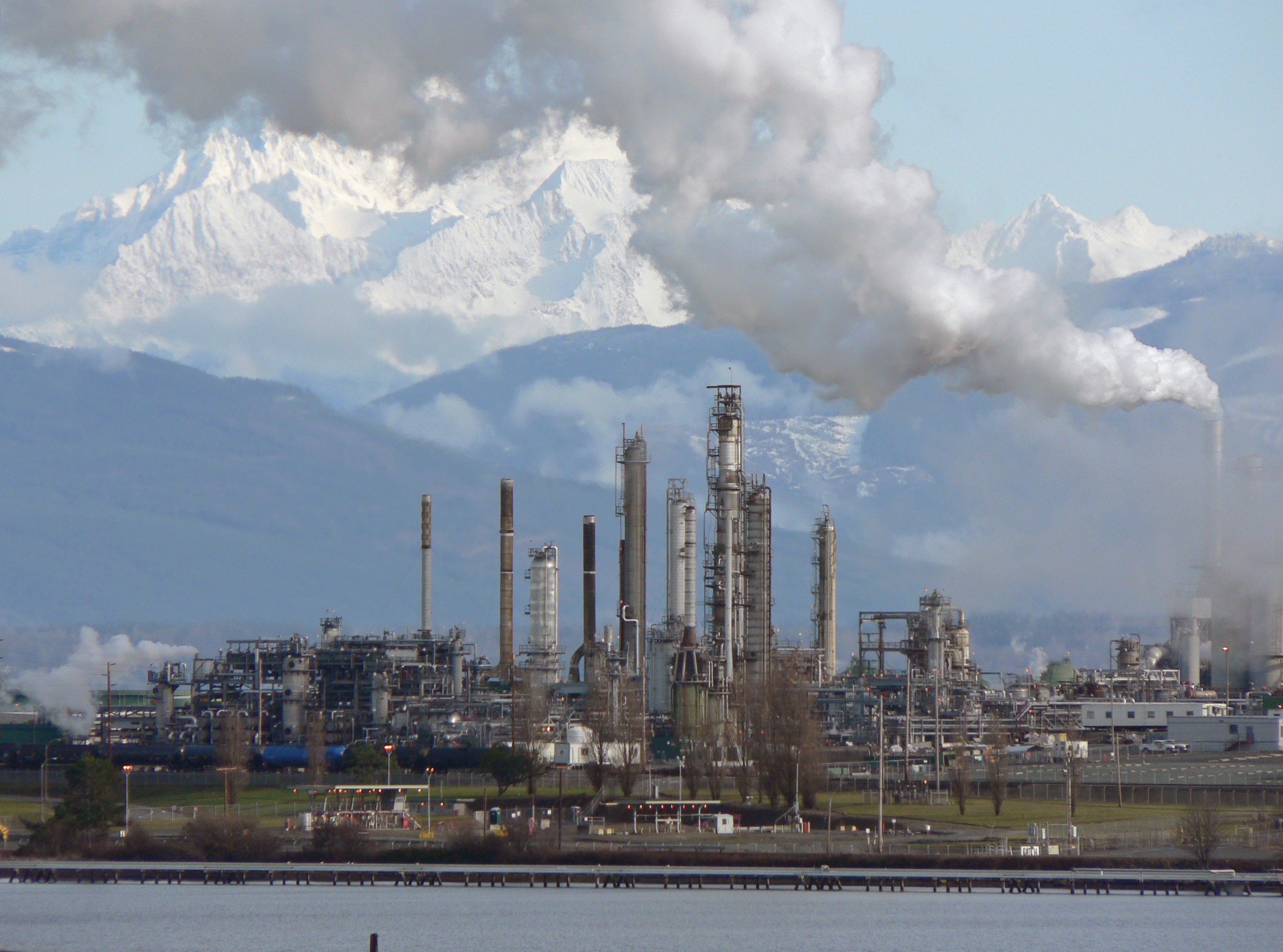
Petroleum refining processes are the complex chemical engineering operations within oil refineries that convert raw crude oil into a spectrum of marketable products, including gasoline, jet fuel, diesel, and petrochemical feedstocks. These industrial behemoths, often processing hundreds of thousands of barrels daily, employ a diverse array of interconnected units, each tailored to specific crude oil types and desired product slates. The arrangement and selection of these processes are dictated by economic factors, regional demand, and feedstock availability, making each refinery a unique industrial ecosystem. From initial separation to sophisticated molecular rearrangement, refining is a cornerstone of global energy infrastructure, continuously evolving to meet demand and environmental pressures.
🎵 Origins & History
The genesis of petroleum refining can be traced back to the mid-19th century, driven by the burgeoning demand for kerosene for lighting. Early operations were rudimentary, often involving simple distillation to separate kerosene from heavier fractions. The advent of the automobile in the early 20th century, however, dramatically shifted the focus towards gasoline production, necessitating more advanced processes like thermal cracking, pioneered by William Burton at Standard Oil in 1913. This marked the transition from simple distillation to complex chemical transformation, laying the groundwork for the sophisticated refineries of today.
⚙️ How It Works
At its core, petroleum refining begins with atmospheric distillation, where crude oil is heated and separated into fractions based on boiling points. Lighter fractions like naphtha and gas oils are drawn off, while heavier residues remain. These fractions are then subjected to further processing. Catalytic cracking units, employing catalysts like zeolites, break down large hydrocarbon molecules into smaller, more valuable ones, primarily for gasoline. Hydrocracking uses hydrogen under high pressure and temperature to achieve similar results, also removing sulfur and nitrogen impurities. Reforming processes rearrange hydrocarbon structures to increase the octane number of gasoline. Alkylation and polymerization combine lighter molecules to produce high-octane gasoline components. Desulfurization processes, particularly hydrodesulfurization, are critical for removing sulfur to meet environmental regulations, using hydrogen to convert sulfur compounds into hydrogen sulfide. Finally, visbreaking and coking processes treat the heaviest residues, converting them into lighter products or petroleum coke.
📊 Key Facts & Numbers
Modern refineries are colossal operations, with some processing up to 900,000 barrels of crude oil per day, a volume equivalent to roughly 143,000 cubic meters. The global refining capacity stands at approximately 100 million barrels per day, with Asia and North America holding the largest shares. Gasoline typically accounts for the largest portion of refined products, often around 45-50% of the output from a typical crude slate. The value addition is significant; crude oil, costing perhaps $80 per barrel, can yield products worth over $120 per barrel after refining, depending on market prices and product mix. Sulfur removal is a major undertaking, with refineries investing billions in hydrodesulfurization units to meet stringent regulations like Euro 6 standards, which mandate less than 10 parts per million of sulfur in diesel. The energy intensity is also substantial, with refineries consuming 5-15% of the energy they process.
👥 Key People & Organizations
Key figures in the history of refining include John D. Rockefeller, whose Standard Oil company dominated the early industry and pioneered integrated refining operations. Eugene H. Adkins was instrumental in developing catalytic cracking technologies at Universal Oil Products (UOP). Major organizations like ExxonMobil, Shell, and Chevron operate vast refining networks globally. Technology licensors such as Honeywell UOP and Chevron Phillips Chemical Company are critical for providing the advanced processes that refineries employ. National oil companies like Saudi Aramco also possess immense refining capabilities, influencing global supply dynamics. The American Petroleum Institute (API) serves as a key industry association, setting standards and advocating for the sector.
🌍 Cultural Impact & Influence
Petroleum refining processes are inextricably linked to the cultural and economic fabric of the modern world. The widespread availability of affordable gasoline, a direct result of efficient refining, fueled the automobile revolution and shaped suburban development and global trade. Jet fuel, produced through refining, enabled the rise of commercial aviation, shrinking the world and transforming travel and commerce. The petrochemical feedstocks derived from refining are the building blocks for countless everyday items, from plastics and synthetic fibers to pharmaceuticals and fertilizers, underpinning modern consumer society. The visual landscape of industrialized nations is often defined by the towering distillation columns and complex pipe networks of refineries, symbols of industrial might and energy provision.
⚡ Current State & Latest Developments
The refining industry is currently navigating a complex transition. Growing demand for transportation fuels in developing economies, particularly in Asia, coexists with the push towards electrification and alternative energy sources in developed nations. Refiners are increasingly investing in hydrocracking and coking units to process heavier, more challenging crude oils, while also upgrading hydrodesulfurization capabilities to meet ever-tighter sulfur regulations. The drive for sustainability is pushing innovation in areas like green hydrogen production for hydrotreating and the development of biofuels co-processing. Companies like Holmes Oil are exploring advanced catalytic processes to maximize yields of high-value products and minimize waste. The geopolitical landscape, with events like the 2022 Russian invasion of Ukraine, has also highlighted the strategic importance of refining capacity and the vulnerability of global supply chains.
🤔 Controversies & Debates
The refining industry faces significant controversies, primarily centered around its environmental impact and contribution to climate change. The combustion of refined products releases greenhouse gases like CO2, driving global warming. Refining operations themselves can be sources of air pollution, emitting SO2, NOx, and volatile organic compounds (VOCs), which impact local air quality and human health. The debate over the pace of transition to renewable energy sources is fierce, with some advocating for rapid phase-outs of fossil fuels and others emphasizing the continued necessity of refined products for decades to come. The ethical implications of investing in new refining capacity versus divesting from fossil fuels are a constant point of contention among investors and environmental groups. Furthermore, the safety of refinery operations, highlighted by past incidents like the 2005 Texas City Refinery explosion, remains a critical concern.
🔮 Future Outlook & Predictions
The future of petroleum refining is a subject of intense speculation. Some futurists predict a decline in demand for traditional transportation fuels as electric vehicles and alternative energy sources gain traction, leading to refinery closures or repurposing. Others foresee a continued, albeit evolving, role for refineries, shifting focus towards producing petrochemical feedstocks, lubricants, and specialized fuels. Innovations in carbon capture technologies could allow refineries to mitigate their emissions, while advanced catalysis and biorefining techniques may enable the processing of renewable feedstocks alongside crude oil. The concept of the 'integrated refinery,' producing not only fuels but also chemicals and potentially hydrogen, is gaining traction. Companies like TotalEnergies are investing in biofuels and renewable energy, signaling a potential diversification of their business models. The timeline for these shifts remains uncertain, with projections varying widely.
💡 Practical Applications
Petroleum refining processes have direct practical applications across numerous sectors. The primary output, gasoline and
Key Facts
- Category
- technology
- Type
- topic