
Contents
Overview
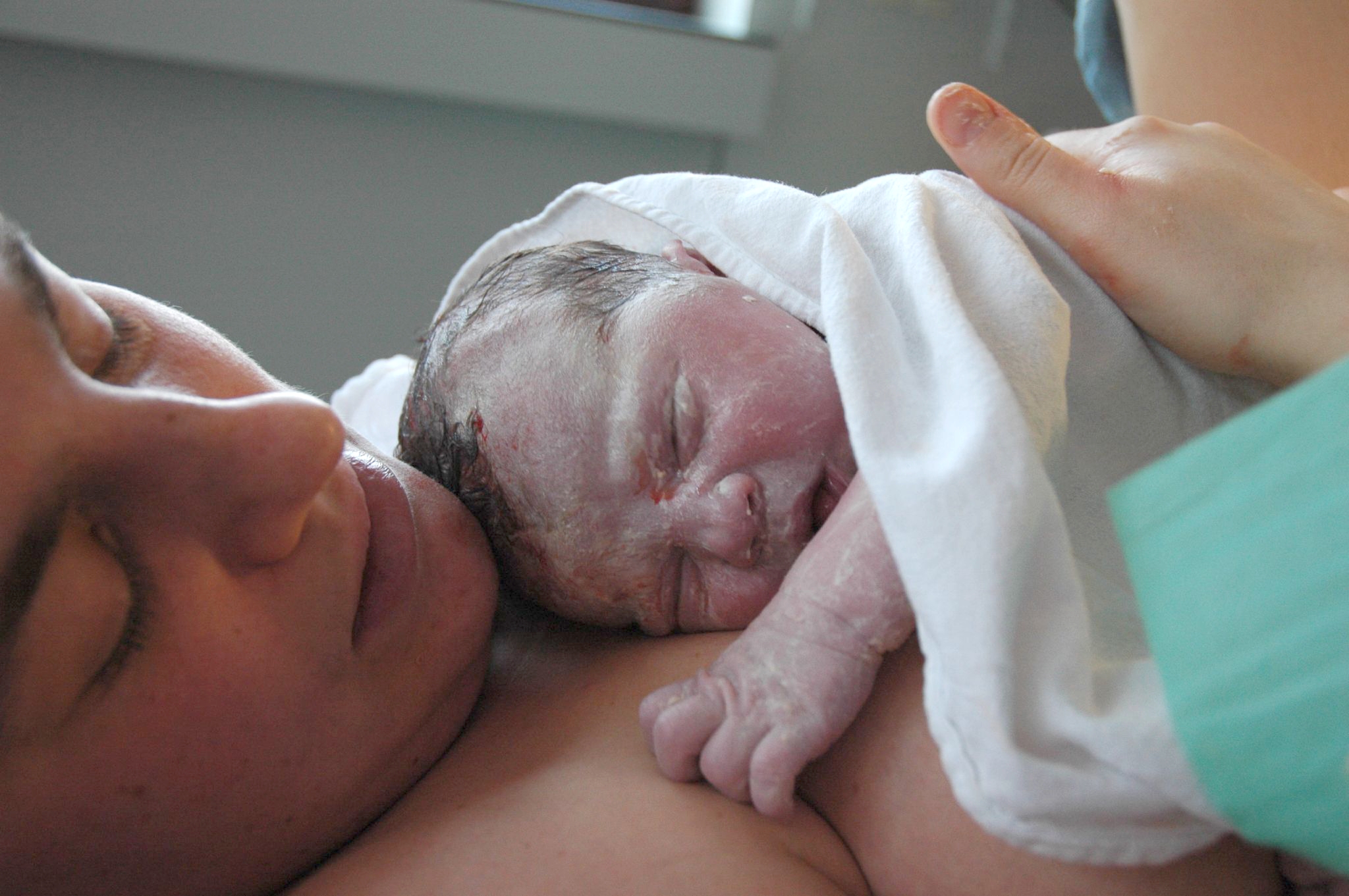
The human capacity for pregnancy and childbirth is as old as our species, deeply interwoven with the earliest human societies and their understanding of life. Ancient civilizations, from the Mesopotamians to the Egyptians, developed rudimentary practices and beliefs surrounding conception, gestation, and birth, often incorporating spiritual and ritualistic elements. Midwifery, as a practice, predates formal medical institutions, with knowledge passed down through generations. The Hippocratic Corpus offered some of the earliest written medical observations on pregnancy and delivery, though often intertwined with prevailing philosophical and humoral theories. The development of obstetrics as a medical specialty gained momentum during the Renaissance and Enlightenment, marked by anatomical studies and the introduction of instruments like the forceps, though often controversially and with significant maternal risk. The 20th century saw a dramatic shift towards hospital births and technological interventions, transforming the experience from a communal, home-based event to a medically managed procedure in institutions like Johns Hopkins Hospital.
⚙️ How It Works
Pregnancy is a multi-stage process initiated by fertilization, typically in the fallopian tubes, followed by implantation in the uterus. Over roughly 40 weeks (gestation), the embryo develops into a fetus, with distinct stages of organogenesis and growth. Hormonal shifts, primarily driven by progesterone and estrogen, prepare the mother's body, altering metabolism, cardiovascular function, and reproductive organs. Childbirth, or labor, is a three-stage process: the first stage involves cervical dilation and effacement, driven by uterine contractions; the second stage is the expulsion of the fetus; and the third stage is the delivery of the placenta. Modern medical management often involves continuous fetal monitoring, pain management techniques like epidural anesthesia, and interventions such as induction of labor or cesarean section when medically indicated, as guided by obstetricians and certified nurse-midwives.
📊 Key Facts & Numbers
Globally, approximately 132 million babies were born in 2023, translating to about 360,000 births per day. In high-income countries, the C-section rate hovers around 30-40%, a significant increase from the less than 5% observed in the 1960s, according to WHO data. Conversely, in many low-income countries, home births attended by traditional birth attendants still constitute the majority, though this is slowly changing. Maternal mortality rates, while declining globally, remain starkly uneven, with over 90% of maternal deaths occurring in sub-Saharan Africa and South Asia, according to UNICEF reports. The average gestation period is 40 weeks, with premature births (before 37 weeks) affecting an estimated 15 million infants annually worldwide.
👥 Key People & Organizations
Key figures in the history of pregnancy and childbirth include Ignaz Semmelweis, whose advocacy for handwashing in the mid-19th century drastically reduced puerperal fever, though he faced significant resistance from the medical establishment. James Young Simpson pioneered the use of chloroform as an anesthetic during childbirth in 1847, a move that was initially met with religious and ethical objections. More recently, organizations like the World Health Organization (WHO) set global guidelines and research agendas, while national bodies such as the American College of Obstetricians and Gynecologists (ACOG) provide standards of care for practitioners. The March of Dimes is a prominent non-profit organization dedicated to improving the health of mothers and babies, funding research and public health programs.
🌍 Cultural Impact & Influence
Pregnancy and childbirth are foundational to human culture, inspiring countless myths, religious narratives, and artistic expressions across millennia. From the Virgin Mary in Christianity to fertility goddesses in ancient pantheons, the act of bringing forth life has been central to spiritual beliefs. The societal role of women has historically been closely tied to their reproductive capacity, influencing everything from legal rights to social expectations. In contemporary society, the discourse around childbirth is increasingly shaped by media, with documentaries and reality television shows like Call the Midmidwife offering diverse portrayals of the experience. The rise of parenting blogs and online communities has also created new avenues for sharing information and experiences, fostering a global, albeit digital, village around pregnancy and birth.
⚡ Current State & Latest Developments
The current landscape of pregnancy and childbirth is characterized by rapid advancements in reproductive technologies and a growing emphasis on personalized care. In vitro fertilization (IVF) and other assisted reproductive technologies (ART) are becoming more accessible, allowing individuals and couples facing infertility to conceive. There's a resurgence of interest in midwifery-led care models, particularly in Western countries, aiming to reduce unnecessary medical interventions and promote more natural birth experiences. Telemedicine is also playing an increasing role, enabling remote consultations and monitoring for expectant parents, especially those in rural areas. Furthermore, research into the gut microbiome during pregnancy and its impact on both maternal and infant health is yielding new insights, potentially leading to novel preventative strategies.
🤔 Controversies & Debates
The medicalization of childbirth remains a significant point of contention. Critics argue that the high rates of C-sections and inductions in developed nations, often performed for convenience rather than strict medical necessity, lead to increased risks for both mother and baby, including higher rates of infection and postpartum hemorrhage. The debate over pain management also persists, with differing views on the safety and efficacy of various anesthetic techniques and the role of natural childbirth advocacy. Furthermore, disparities in access to quality prenatal care and birth services, particularly along racial and socioeconomic lines, highlight systemic inequities. The ethical implications of gene editing technologies in relation to fetal development and the potential for reproductive coercion are also emerging as critical areas of debate.
🔮 Future Outlook & Predictions
The future of pregnancy and childbirth is likely to be shaped by further integration of artificial intelligence (AI) in diagnostics and personalized treatment plans. Expectant mothers may benefit from AI-powered predictive analytics that can identify high-risk pregnancies earlier and more accurately. Advances in genomics will enable more sophisticated prenatal screening and potentially even in-utero therapies for genetic disorders. The trend towards home births and birth centers, supported by advanced portable monitoring technology and highly trained midwives, is expected to continue, offering alternatives to traditional hospital settings. There's also a growing focus on the long-term health impacts of pregnancy and birth, including maternal mental health and the developmental trajectories of children born via different modes of delivery, suggesting a more holistic, lifelong approach to reproductive health.
💡 Practical Applications
Pregnancy and childbirth have direct practical applications in fertility treatments like IVF, where understanding the biological processes is paramount. Prenatal screening and diagnostic tools, ranging from ultrasound imaging to non-invasive prenatal testing (NIPT), are crucial for identifying potential fetal abnormalities. Postnatal care, including [[lactation
Key Facts
- Category
- science
- Type
- topic