
Contents
Overview
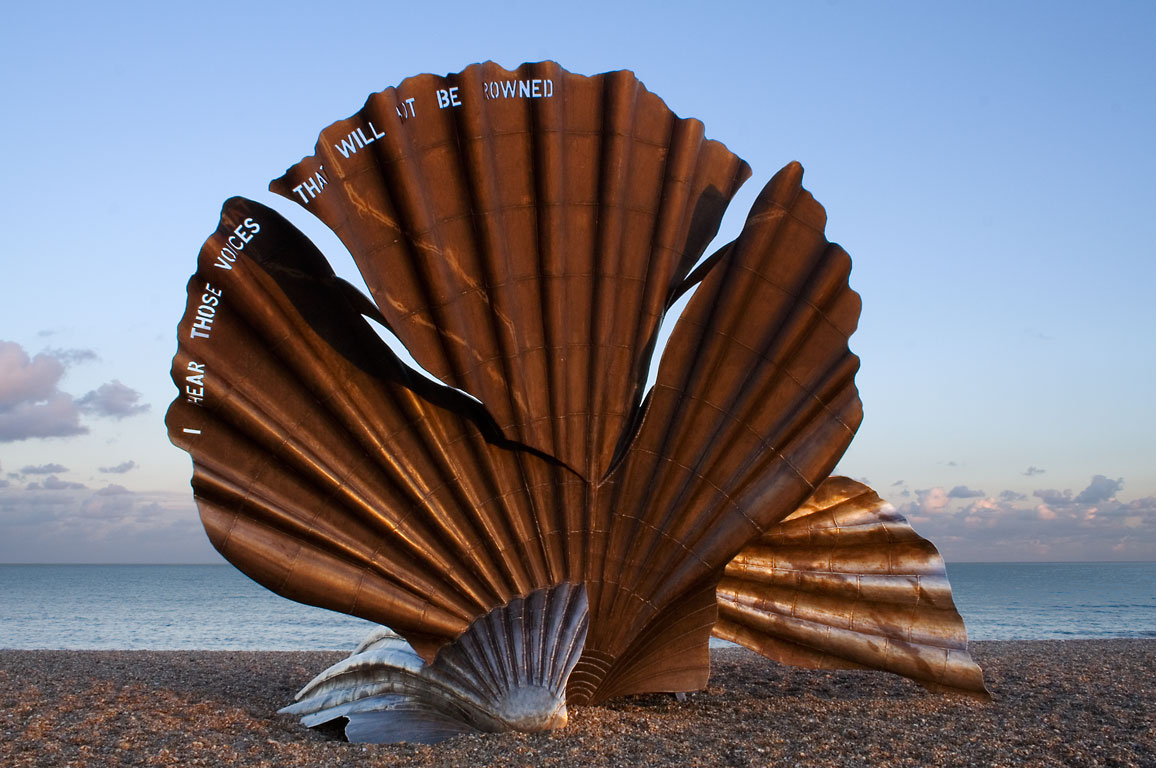
Public art installations are artistic works intentionally placed in publicly accessible spaces, designed to engage a broad audience and often reflecting community identity, historical narratives, or contemporary issues. Unlike art confined to galleries, these installations exist within the fabric of daily life, from monumental sculptures in city plazas to ephemeral interventions in parks. Their creation typically involves a public process, including community input, government commissions, and artist selection, aiming to foster civic pride and cultural dialogue. The scale can range from intimate street art murals to colossal structures that redefine skylines, with notable examples like Christo and Jeanne-Claude's 'The Gates' in Central Park or Anish Kapoor's 'Cloud Gate' in Chicago's Millennium Park. Public art installations are not merely decorative; they serve as catalysts for social interaction, economic development, and urban revitalization, though their placement and content can also spark significant debate about aesthetics, accessibility, and the use of public funds.
🎵 Origins & History
The concept of art for the public gaze stretches back to antiquity, with monumental sculptures and civic architecture serving as early precedents. However, the formalized practice of public art, as understood today, gained significant traction in the 20th century, particularly with the advent of government-funded art programs. In the United States, the Works Progress Administration (WPA) during the Great Depression commissioned thousands of murals and sculptures for public buildings, aiming to provide employment for artists and beautify civic spaces. Post-World War II, initiatives like the Percent for Art programs emerged, mandating that a percentage of construction costs for new public buildings be allocated to art. This institutionalization shifted public art from an ad-hoc endeavor to a structured field with its own commissioning bodies, critics, and professional artists like Alexander Calder and Henry Moore, whose large-scale works became synonymous with modern urban environments.
⚙️ How It Works
Public art installations are brought to life through a complex ecosystem of stakeholders and processes. Typically, a project begins with a public entity—a city government, transit authority, or development agency—identifying a need or opportunity for art. This often involves a committee that defines project parameters, budget, and site. Artists are then invited to submit proposals, which are reviewed based on artistic merit, community relevance, durability, and feasibility. Many large-scale projects involve significant engineering and fabrication, requiring collaboration between artists, architects, engineers, fabricators, and installers. Funding can come from public budgets, private donations, corporate sponsorships, and grants from foundations like the National Endowment for the Arts (NEA). The process emphasizes public engagement, often including community meetings and online feedback mechanisms, to ensure the artwork resonates with its intended audience.
📊 Key Facts & Numbers
Globally, billions of dollars are invested annually in public art. In the United States alone, the Percent for Art programs have funded over $1 billion in artworks since their inception, with many states and cities mandating 1-2% of capital project budgets for art. Major cities often boast thousands of public artworks; New York City, for instance, has an estimated 10,000 public art pieces. The market for large-scale commissions can range from tens of thousands to millions of dollars, with some iconic pieces exceeding $10 million. For example, Anish Kapoor's 'Cloud Gate' in Chicago reportedly cost $23 million. The maintenance of these installations also represents a significant ongoing cost, with annual budgets sometimes reaching 1-5% of the initial artwork's cost.
👥 Key People & Organizations
Key figures in public art include artists who have defined the field, such as Isamu Noguchi, whose sculptural playgrounds and plazas transformed urban spaces, and Maya Lin, whose Vietnam Veterans Memorial redefined memorialization. Organizations like Public Art Fund in New York and Generous Minds Foundation (fictional example for illustrative purposes) play crucial roles in commissioning, funding, and advocating for public art. Municipal art agencies, such as the New York City Department of Cultural Affairs, are instrumental in managing public art programs and policies. Curators and critics, like Holly Burns (fictional expert), also shape the discourse and selection processes, ensuring artistic quality and public relevance.
🌍 Cultural Impact & Influence
Public art installations profoundly shape the cultural identity and perception of a place. They can transform overlooked areas into vibrant destinations, fostering a sense of community pride and belonging. Iconic works, like Chicago's 'The Bean' or Christo and Jeanne-Claude's 'The Gates,' become powerful symbols, attracting tourism and boosting local economies. Beyond aesthetics, public art can serve as a potent tool for education and social commentary, prompting dialogue about history, identity, and current events. The participatory nature of many public art projects also empowers communities, giving residents a stake in their environment and fostering civic engagement. This influence extends to other art forms, inspiring filmmakers, writers, and musicians who incorporate these public landmarks into their creative works.
⚡ Current State & Latest Developments
The field of public art is currently experiencing a surge in interest, driven by a greater understanding of its role in urban placemaking and community well-being. There's a growing emphasis on temporary and ephemeral installations, allowing for greater experimentation and community involvement without the long-term commitment of permanent works. Digital and interactive public art is also on the rise, utilizing technology to create dynamic and responsive experiences. Furthermore, there's an increasing focus on diversity, equity, and inclusion in public art, with a push to commission artists from underrepresented backgrounds and to create works that reflect the multifaceted identities of communities. Organizations like Americans for the Arts are actively promoting these shifts, advocating for policies that support equitable access to public art.
🤔 Controversies & Debates
Public art is rarely without controversy. Debates often erupt over the selection of artists, the aesthetic merit of the work, its cost, and its perceived relevance to the community. Critics may argue that certain installations are too abstract, too monumental, or simply out of place, leading to public outcry and calls for removal. The use of public funds for art is also a perennial point of contention, with some questioning whether such investments are justifiable when other public needs exist. The concept of 'permanent' public art is also debated, with some advocating for more flexible, temporary installations that can evolve with the community. The rise of street art and graffiti, while often distinct from sanctioned public art, has also blurred lines, prompting discussions about authorship, ownership, and the definition of public space itself.
🔮 Future Outlook & Predictions
The future of public art installations is likely to be shaped by technological advancements and evolving societal priorities. We can expect to see more integration of augmented reality (AR) and virtual reality (VR) into public art experiences, allowing for layered digital content superimposed onto physical works or entirely virtual installations in public spaces. The use of sustainable materials and eco-conscious design principles will become increasingly important, aligning public art with broader environmental concerns. Furthermore, as cities grapple with issues of social justice and equity, public art will likely play an even more critical role in fostering dialogue, challenging norms, and celebrating diverse narratives. The trend towards community-led and co-created public art projects is also expected to grow, empowering residents and ensuring that public art truly serves the public.
💡 Practical Applications
Public art installations serve a multitude of practical functions beyond their aesthetic appeal. They are vital tools for urban regeneration, transforming neglected areas into vibrant cultural hubs that attract visitors and businesses. In transportation hubs like airports and train stations, public art enhances the passenger experience, making journeys more engaging and less stressful. They can also function as educational resources, illustrating historical events, scientific concepts, or local flora and fauna. For instance, interactive installations can teach children about physics or environmental science. Furthermore, public art can improve public safety by increasing foot traffic and 'eyes on the street' in previously underutilized areas, contributing to
Key Facts
- Category
- aesthetics
- Type
- topic