
Contents
- 🎵 Origins & History
- ⚙️ How It Works: Urban Planning & Governance
- 📊 Key Facts & Numbers
- 👥 Key People & Organizations
- 🌍 Cultural Impact & Influence
- ⚡ Current State & Latest Developments
- 🤔 Controversies & Debates
- 🔮 Future Outlook & Predictions
- 💡 Practical Applications: A City's Functions
- 📚 Related Topics & Deeper Reading
- Frequently Asked Questions
- References
- Related Topics
Overview
Quezon City's genesis traces back to the vision of President Manuel L. Quezon in the late 1930s, who sought to establish a new national capital free from the congestion and sanitation issues plaguing Manila. The city was officially founded on October 12, 1939, through Commonwealth Act No. 502, which authorized the acquisition of vast tracts of land for this purpose. Initial plans were drawn by American architect and planner William Parsons, later refined by Filipino architects like Juan Arellano and Harry Frost, focusing on a grand civic center and expansive green spaces. The Commonwealth of the Philippines government purchased eight large estates, incorporating portions of Caloocan, Marikina, San Juan, and Pasig to form the new city. It was formally declared the national capital on October 12, 1949, a status it held until 1976 when the capital designation reverted to Manila, though its influence remained undiminished.
⚙️ How It Works: Urban Planning & Governance
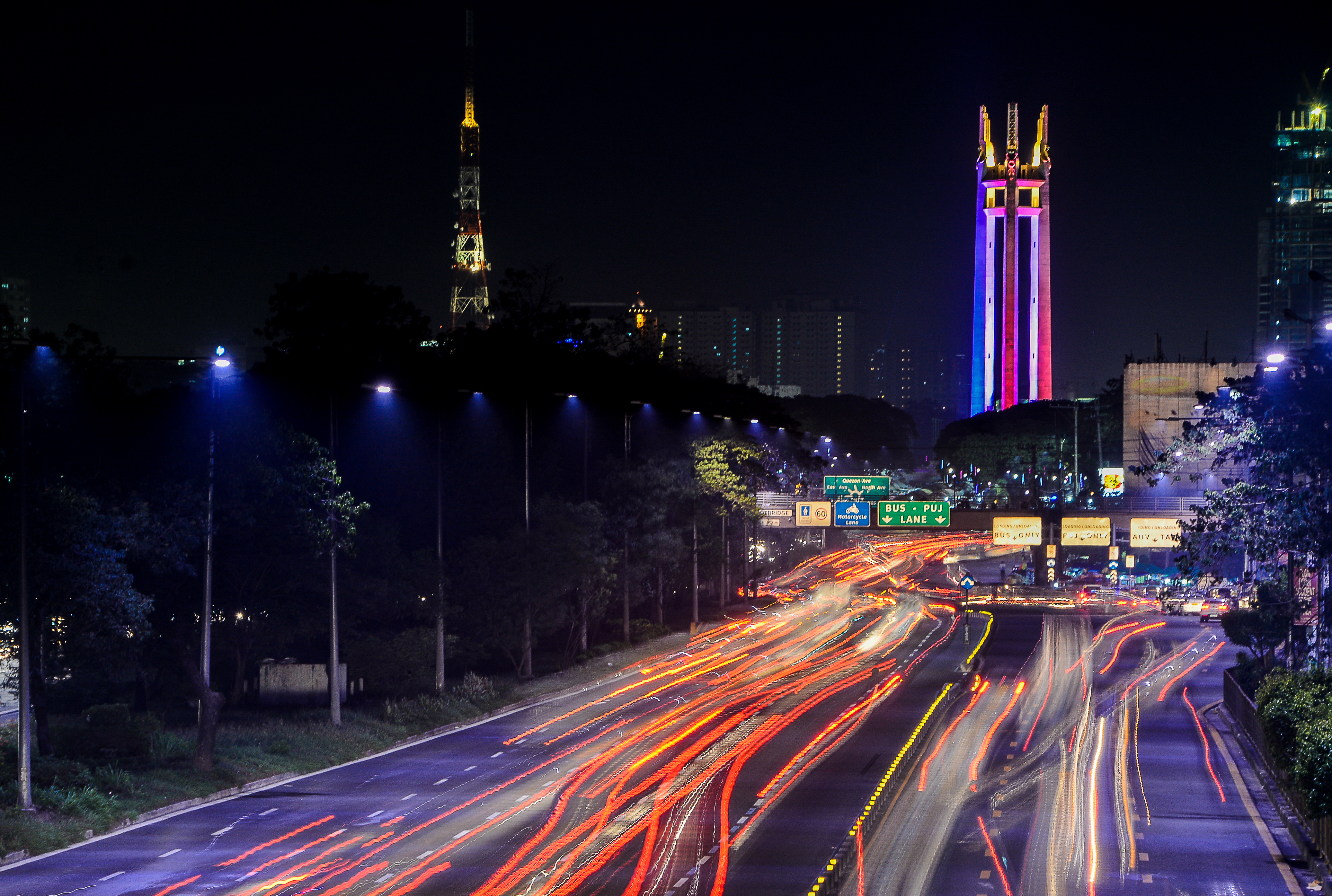
Quezon City operates under a highly urbanized city charter, with its governance structured around a city mayor, vice mayor, and a Sangguniang Panlungsod (City Council) composed of elected representatives from its six legislative districts. The city's urban planning, initially laid out by William Parsons and refined by Juan Arellano, envisioned a 'Garden City' with wide avenues and designated zones for government, residential, and commercial activities. Key infrastructure projects, such as the construction of the Commonwealth Avenue and the Quezon Memorial Circle, were central to this design. Today, the city's departments manage everything from public safety and health services to urban development and environmental protection, as outlined on its official website, quezoncity.gov.ph. The city's zoning ordinances, continuously updated, dictate land use, aiming to balance rapid development with sustainable urban living.
📊 Key Facts & Numbers
Quezon City is the most populous city in the Philippines, with a 2024 census population of 3,084,270 people, a significant increase from its 1939 population of just 39,013. Its land area spans 171.71 square kilometers, making it the largest city in Metro Manila by land area. The city's population density is approximately 17,962 people per square kilometer. In 2023, its local economy contributed an estimated ₱400 billion to the national GDP, reflecting its status as a major economic hub. Quezon City hosts over 20 major universities and colleges, including the University of the Philippines Diliman and Ateneo de Manila University, educating over 300,000 students annually. The city also boasts over 100 shopping malls and commercial centers, with SM North EDSA being one of the largest in Southeast Asia, attracting millions of visitors monthly.
👥 Key People & Organizations
The trajectory of Quezon City is inextricably linked to Manuel L. Quezon, the second President of the Philippines, who championed its creation as the new national capital. Subsequent mayors have played pivotal roles in its development, including Norberto S. Amoranto, who oversaw significant infrastructure projects, and Adelina Santos Rodriguez, the first female mayor. More recently, Feliciano Belmonte Jr. and Herbert Bautista spearheaded modernization efforts, while current Mayor Joy Belmonte has focused on social services and environmental sustainability. Key organizations like the Quezon City Local Government and the Metropolitan Manila Development Authority (MMDA) are central to its administration and regional integration. The National Housing Authority (NHA) has also been instrumental in addressing the city's housing needs, particularly for informal settlers.
🌍 Cultural Impact & Influence
Quezon City's cultural impact is profound, serving as a melting pot of Filipino traditions and modern influences. It is home to the country's major television networks, ABS-CBN and GMA Network, earning it the moniker 'Television Capital of the Philippines'. This concentration of media has shaped national discourse and popular culture for decades. The city also hosts numerous cultural institutions, including the Quezon Memorial Circle, which houses the Quezon Memorial Shrine and various museums, and the Paco Park, a historical landmark. Its vibrant arts scene is supported by venues like the Kiase Theater and the Cultural Center of the Philippines (CCP) satellite facilities. The city's diverse culinary landscape, from street food in Maginhawa Street to high-end restaurants in Eastwood City, reflects its multicultural population and attracts food enthusiasts from across the region.
⚡ Current State & Latest Developments
As of 2024, Quezon City continues its rapid urbanization, marked by ongoing infrastructure projects and a booming real estate sector. The Metro Manila Subway project, with several stations planned within the city, is a major development set to significantly improve connectivity and ease traffic congestion by 2029. The local government, under Mayor Joy Belmonte, is actively pursuing smart city initiatives, including digitalizing public services and implementing advanced traffic management systems. The city is also a focal point for the Philippines' economic recovery post-pandemic, with new business districts emerging in areas like Vertis North and Araneta City. Environmental sustainability remains a key focus, with programs for waste management and urban greening being expanded, reflecting a global trend towards more eco-conscious urban development.
🤔 Controversies & Debates
Despite its progress, Quezon City grapples with significant controversies, particularly concerning urban planning and social equity. The rapid commercialization of certain districts, such as Triangle Park and Eastwood City, has led to debates over gentrification and displacement of long-term residents and informal settlers. Traffic congestion remains a persistent challenge, with daily gridlock on major thoroughfares like EDSA and Commonwealth Avenue, despite numerous government initiatives and infrastructure projects. Furthermore, issues of informal settlements and access to basic services for marginalized communities continue to spark public debate and advocacy from groups like the Urban Poor Associates. The balance between economic growth and inclusive development is a constant tension point, often highlighted in local media outlets like Rappler and Philstar.
🔮 Future Outlook & Predictions
The future of Quezon City is poised for continued growth and transformation, with projections indicating its population could reach 3.5 million by 2035. The completion of major transport projects like the Metro Manila Subway and the MRT-7 line is expected to redefine commuting and property values across the city. Experts from the Asian Development Bank predict a shift towards more decentralized commercial hubs, reducing pressure on traditional business districts. The city government's push for smart city technologies, including AI-powered traffic management and IoT-enabled public services, aims to enhance urban living and efficiency. However, challenges such as climate change resilience and sustainable resource management will demand innovative solutions, potentially involving collaborations with international organizations like C40 Cities.
💡 Practical Applications: A City's Functions
Quezon City's vast urban landscape provides a practical laboratory for diverse applications, from large-scale public infrastructure management to community-level social programs. Its extensive road network, including major arteries like EDSA and Commonwealth Avenue, serves as a critical testbed for traffic engineering solutions and public transport integration. The city's numerous universities, such as the University of the Philippines Diliman, are centers for research and development, particularly in urban planning, disaster risk reduction, and public health. Furthermore, its vibrant commercial districts, including Araneta City and Vertis North, demonstrate successful models for mixed-use development and retail innovation. The presence of major media networks like ABS-CBN and GMA Network also makes it a hub for media production, content creation, and broadcasting technology.
Key Facts
- Year
- 1939
- Origin
- Philippines
- Category
- place
- Type
- place
Frequently Asked Questions
Why was Quezon City established as a new capital, and when did it serve in that role?
Quezon City was established by President Manuel L. Quezon to address the severe overcrowding, poor sanitation, and traffic congestion in Manila in the late 1930s. He envisioned a modern, planned capital. It officially served as the capital of the Philippines from 1948 until 1976, when the designation was returned to Manila. During this period, significant government buildings and infrastructure were constructed, shaping its identity as a center of governance.
What are the key demographic and geographic characteristics of Quezon City?
Quezon City is the most populous city in the Philippines, with a 2024 population of 3,084,270 people. It covers a vast area of 171.71 square kilometers, making it the largest city by land area within Metro Manila. This expansive territory and large population contribute to its diverse urban landscape, ranging from dense commercial centers like Araneta City to sprawling residential communities and educational institutions like the University of the Philippines Diliman.
How has Quezon City influenced Philippine media and culture?
Quezon City holds immense influence over Philippine media and culture, primarily because it hosts the headquarters of the country's two largest television networks, ABS-CBN and GMA Network. This concentration has made it the 'Television Capital of the Philippines', shaping national narratives, entertainment, and public opinion for decades. Its vibrant arts scene, numerous cultural institutions, and diverse culinary offerings further solidify its role as a cultural melting pot within the Philippines.
What were the original urban planning principles behind Quezon City's design?
The original urban planning for Quezon City, initiated by President Manuel L. Quezon and designed by architects like William Parsons and Juan Arellano, aimed to create a 'Garden City.' This concept emphasized wide avenues, expansive green spaces, and distinct zones for government, residential, and commercial activities. The iconic Quezon Memorial Circle was designed as the city's civic center, surrounded by government buildings, reflecting a modernist approach to urban development that prioritized order and functionality.
What are the main challenges facing Quezon City today?
Quezon City faces several pressing challenges, including persistent traffic congestion on major thoroughfares like EDSA and Commonwealth Avenue, which impacts daily life and economic productivity. The city also grapples with issues of social equity, particularly concerning informal settlements and the potential displacement of communities due to rapid commercial development in areas like Triangle Park. Furthermore, like many megacities, it confronts environmental concerns such as waste management, urban flooding, and the need for climate change resilience, requiring continuous adaptation and policy interventions.
What are the future development plans for Quezon City?
Quezon City's future development plans are centered on enhancing connectivity, promoting smart city initiatives, and fostering sustainable growth. Key projects include the ongoing construction of the Metro Manila Subway and the MRT-7 line, which are expected to significantly improve public transportation by 2029. The city government, under Mayor Joy Belmonte, is also investing in digitalizing public services, implementing advanced traffic management systems, and expanding green spaces. These efforts aim to transform Quezon City into a more efficient, livable, and resilient urban center.
How does Quezon City contribute to the national economy?
Quezon City is a major economic powerhouse within the Philippines, contributing significantly to the national GDP. Its diverse economy is driven by robust commercial and retail sectors, with numerous shopping malls and business districts like Eastwood City and Vertis North. The city is also a hub for the Business Process Outsourcing (BPO) industry, media and entertainment, and education, hosting major universities and research institutions. This economic dynamism attracts investments and creates employment opportunities for millions, making it a critical engine for national growth.