
Contents
Overview
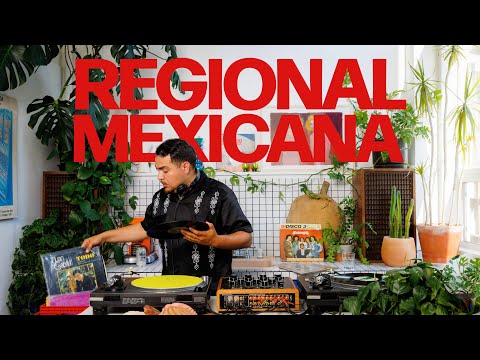
Regional music refers to the vast array of musical styles deeply rooted in the specific cultural, historical, and geographical landscapes of particular areas. Far from being mere local curiosities, these genres often represent the collective identity, storytelling traditions, and social fabric of their originating communities. They emerge from unique fusions of indigenous, immigrant, and indigenous-indigenous influences, employing distinct instrumentation, lyrical themes, and performance practices. While often contrasted with mainstream or globalized pop music, regional genres like Regional Mexican, Fado, or Bluegrass have achieved significant international recognition and commercial success, demonstrating their potent cultural resonance and artistic merit. The study of regional music offers critical insights into cultural preservation, globalization's impact on local traditions, and the enduring power of music to define and connect communities.
🎵 Origins & History
The genesis of regional music is as old as human settlement itself, with communities developing distinct sonic identities long before recorded history. Early forms were intrinsically tied to ritual, labor, and social gatherings, utilizing readily available instruments and vocal traditions. For instance, the development of Regional Mexican music in Jalisco, Mexico, exemplifies this fusion, incorporating European string instruments with Indigenous rhythms and vocal styles. Similarly, the distinct folk traditions of Appalachia in the United States coalesced into Bluegrass music through the intermingling of Scots-Irish ballads, African banjo techniques, and blues influences. These genres, born from specific locales, became potent carriers of cultural heritage, evolving alongside the communities that nurtured them.
⚙️ How It Works
Regional music functions by embodying the unique cultural DNA of its place of origin. This is achieved through a combination of characteristic elements: specific instrumentation (e.g., the bandoneon in Tango, the oud in Arabic music, the fiddle in Celtic folk), distinct rhythmic patterns (like the syncopated beats in Reggae from Jamaica), characteristic vocal techniques (such as the yodeling in Alpine folk music), and lyrical themes that often reflect local history, folklore, social issues, and everyday life. Performance contexts are also crucial, ranging from intimate family gatherings and local festivals to formal concerts and religious ceremonies. The preservation and evolution of these elements are often driven by local musicians, cultural institutions, and community support networks, ensuring the music remains a living expression of regional identity.
📊 Key Facts & Numbers
The global music market, according to the IFPI, still sees significant revenue generated by regional music genres. Regional Mexican music, for example, consistently ranks among the top-performing genres on streaming platforms, with artists like Peso Pluma and Natanael Cano achieving billions of streams. K-Pop, a highly regionalized genre originating from South Korea, has had a significant economic impact. Traditional genres also hold economic sway; the circuit for genres like Bluegrass and Country music in the United States draws millions of attendees annually, contributing hundreds of millions to local economies. Even niche genres can sustain vibrant ecosystems, with Irish traditional music supporting a significant number of pubs and performance venues across Ireland and its diaspora.
👥 Key People & Organizations
Key figures in regional music are often custodians of tradition and innovators who propel their genres forward. In Regional Mexican music, pioneers like Tito Montes of Banda El Recodo helped define the modern banda sound. Vicente Fernández became an international icon of Mariachi and ranchera music. For Bluegrass, Bill Monroe is widely recognized as the "Father of Bluegrass," establishing the genre's core instrumentation and sound with his band, the Blue Grass Boys. In Fado, Amália Rodrigues remains its most celebrated interpreter, elevating the genre globally. Organizations like the Smithsonian Folkways Recordings play a crucial role in documenting, preserving, and disseminating regional music from around the world, while local cultural centers and music schools actively train new generations of musicians.
🌍 Cultural Impact & Influence
The cultural impact of regional music is profound, serving as a powerful vehicle for identity formation, social commentary, and cultural diplomacy. Genres like Reggae from Jamaica became a global symbol of resistance and Rastafarian culture, influencing countless artists worldwide. Folk music traditions, from Balkan folk to Andean music, often carry the weight of national histories and struggles, providing a soundtrack to collective memory. The international success of K-Pop has not only boosted South Korea's economy but also significantly enhanced its global cultural soft power, influencing fashion, beauty standards, and tourism. Conversely, the commercialization of regional music can lead to debates about authenticity and cultural appropriation, as global music industries often adapt and market these sounds to wider audiences, sometimes diluting their original context or benefiting external entities more than the originating communities.
⚡ Current State & Latest Developments
In 2024, regional music genres are experiencing unprecedented global reach, largely driven by digital streaming platforms and social media. Regional Mexican music continues its meteoric rise, with artists like Xavi and Grupo Frontera topping global charts and collaborating with international stars. Afrobeats, originating from West Africa, has solidified its global presence, with artists like Burna Boy and Wizkid headlining major international festivals and achieving widespread commercial success. Simultaneously, there's a growing counter-movement focused on preserving and revitalizing more localized, traditional forms, often supported by grassroots organizations and cultural heritage initiatives. Emerging technologies like AI-powered music generation are also beginning to intersect with regional sounds, raising questions about future innovation and authenticity.
🤔 Controversies & Debates
The primary controversy surrounding regional music often centers on the tension between authenticity and commercialization. As genres gain international popularity, they are frequently adapted by global music industries, leading to debates about whether the music is being diluted, misrepresented, or appropriated. For example, the mainstream success of Regional Mexican music has led to discussions about the commodification of traditional sounds and the potential loss of cultural specificity. Another debate revolves around cultural ownership: who has the right to perform, adapt, or profit from music deeply tied to a specific community's heritage? Critics argue that global corporations often benefit disproportionately, while the artists and communities that originated the music may receive less recognition or financial reward. The definition of "regional" itself can also be contested, as globalization blurs geographical boundaries and influences musical styles across continents.
🔮 Future Outlook & Predictions
The future of regional music appears to be a dynamic interplay between global reach and local preservation. We can anticipate continued cross-pollination, with artists from different regional backgrounds collaborating more frequently, leading to hybrid genres that appeal to diverse audiences. Streaming platforms will likely become even more instrumental in exposing niche regional sounds to global listeners, potentially creating new hubs of musical influence. However, there will also be a growing emphasis on safeguarding cultural heritage, with increased investment in music education, archival projects, and community-led initiatives aimed at preserving traditional forms. The rise of decentralized autonomous organizations (DAOs) and blockchain technology may also offer new models for artists to control ownership and dis
Key Facts
- Category
- culture
- Type
- topic