
Contents
- 🚗 What Exactly is a Ride Hailing Service?
- 🌍 Global Reach & Local Flavors
- 💰 Pricing: The Variable Equation
- ⭐ User Ratings: The Digital Barometer
- 📱 App Experience: Your Digital Chauffeur
- ⚖️ The Driver's Side: More Than Just a Gig?
- 🚦 Safety Features: Navigating the Risks
- 🌱 Sustainability & The Future of Mobility
- 🤔 Alternatives: When to Hail, When to Walk
- 🚀 Getting Started: Your First Ride
- Frequently Asked Questions
- Related Topics
Overview
Ride hailing services, such as Uber and Lyft, have revolutionized the way people navigate urban environments since their emergence in the early 2010s. These platforms leverage smartphone technology to connect passengers with drivers, offering convenience and flexibility that traditional taxi services struggle to match. However, the rise of ride hailing has sparked significant debates over regulatory frameworks, labor rights, and the environmental impact of increased vehicle usage. As cities grapple with congestion and pollution, the future of ride hailing remains contentious, with potential shifts towards electric vehicles and autonomous driving on the horizon. Understanding the dynamics of this industry is crucial for navigating the evolving landscape of urban transportation.
🚗 What Exactly is a Ride Hailing Service?
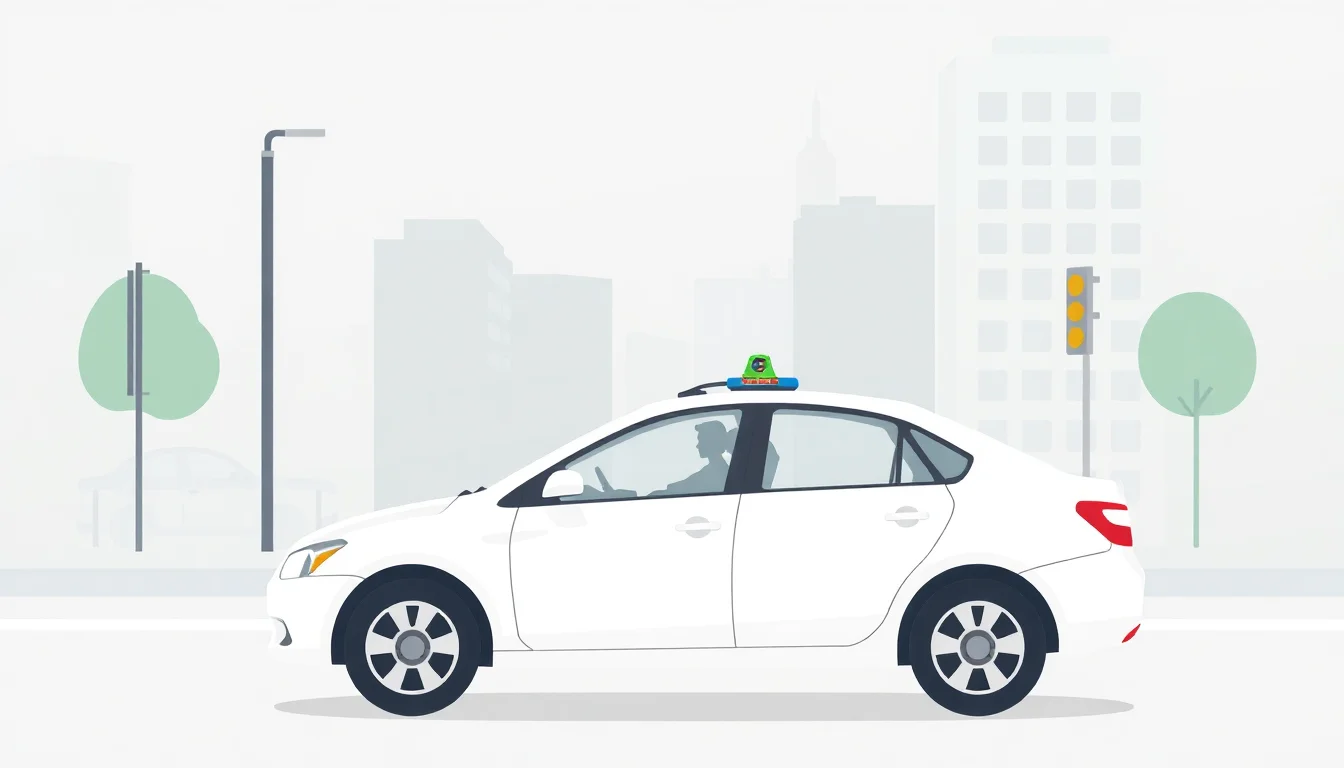
Ride hailing services, often called ride-sharing or taxi apps, are digital platforms connecting passengers with drivers for on-demand transportation. Think of it as a modern taxi service, but instead of hailing a cab on the street, you summon a ride via a smartphone app. Companies like Uber and Lyft pioneered this model, transforming urban mobility by leveraging GPS technology and a vast network of independent contractors. This system allows for flexible work for drivers and convenient, often cheaper, travel for users compared to traditional taxis, though the dynamic has sparked considerable debate about labor practices and market regulation.
🌍 Global Reach & Local Flavors
The beauty of ride hailing is its global footprint, with major players operating in hundreds of cities across continents. While the core functionality remains consistent, local nuances abound. In some regions, services might integrate with public transport options, while others face unique regulatory hurdles or cultural preferences. For instance, Grab dominates Southeast Asia, often offering services beyond just car rides, like food delivery, reflecting local market needs. Understanding the specific service available in your Cities is key to maximizing its utility.
💰 Pricing: The Variable Equation
Pricing for ride hailing is a complex beast, rarely static. Fares are typically calculated based on distance, time, and a base rate, but surge pricing during peak demand or special events can dramatically inflate costs. This dynamic pricing model, while maximizing driver earnings and incentivizing more drivers to be on the road, can lead to unpredictable expenses for passengers. Some services offer upfront pricing, providing greater cost certainty, while others rely on post-ride calculations, leaving users to guess the final bill. Comparing rates between different Ride Hailing Apps before booking is a wise strategy.
⭐ User Ratings: The Digital Barometer
User ratings are the lifeblood of the ride hailing ecosystem, acting as a crucial trust mechanism. Both drivers and passengers rate each other after each trip, with scores typically ranging from 1 to 5 stars. A consistently low rating can lead to deactivation for drivers or difficulty booking for passengers. This peer-review system encourages good behavior and service quality, but it's not without its flaws; biases can creep in, and a single bad experience can disproportionately affect a rating. Always check your driver's rating before confirming a ride, and be mindful of your own.
📱 App Experience: Your Digital Chauffeur
The mobile application is the central nervous system of any ride hailing service. These apps are designed for intuitive use, allowing users to pinpoint their location, set a destination, choose a vehicle type, and track their driver's arrival in real-time. Beyond basic booking, many apps offer features like in-app payments, trip splitting, safety features (like sharing your ride status), and customer support. The user interface and experience can vary significantly between providers, influencing overall user satisfaction and adoption rates. A clunky app can quickly sour the experience, regardless of the ride quality.
⚖️ The Driver's Side: More Than Just a Gig?
The 'gig economy' is inextricably linked to ride hailing, with millions of drivers worldwide relying on these platforms for income. While offering flexibility and autonomy, the independent contractor model has been a flashpoint for controversy. Drivers often bear the costs of vehicle maintenance, fuel, and insurance, and lack traditional employee benefits like health insurance or paid time off. Debates rage over whether drivers should be classified as employees or independent contractors, impacting their rights and the economic model of the services themselves. Understanding this dynamic can offer a more complete picture of the service.
🌱 Sustainability & The Future of Mobility
Ride hailing's impact on urban environments and sustainability is a growing concern. While offering an alternative to private car ownership, the proliferation of ride-hailing vehicles can contribute to increased traffic congestion and emissions, especially if they replace public transit or walking. Some companies are investing in Electric Vehicles and promoting shared rides to mitigate these effects. The long-term sustainability of the model, both environmentally and economically, remains a key area of development and debate as cities grapple with the future of urban mobility.
🤔 Alternatives: When to Hail, When to Walk
While ride hailing offers unparalleled convenience, it's not always the best or only option. For short distances, walking or cycling can be healthier and more environmentally friendly. Public Transportation systems, like buses and trains, are often more cost-effective for longer commutes and can reduce your carbon footprint. In some cities, traditional Taxi Services might offer a more regulated and predictable fare structure. Evaluating your needs – cost, time, convenience, and environmental impact – will help you choose the most suitable mode of transport.
🚀 Getting Started: Your First Ride
Getting started with a ride hailing service is straightforward. First, download the app of your preferred provider (e.g., Uber, Lyft, Grab) onto your smartphone. You'll need to create an account, typically requiring your phone number and email address, and link a payment method, such as a credit card or digital wallet. Once registered, open the app, enter your destination, confirm your pickup location, and select your ride option. The app will then show you available drivers, estimated arrival times, and the fare. You'll receive a notification when your driver is nearby, and you can track their progress in real-time.
Key Facts
- Year
- 2010
- Origin
- United States
- Category
- Transportation
- Type
- Service
Frequently Asked Questions
Can I pay with cash for a ride hailing service?
While many services primarily operate on cashless payments linked to your app account, some providers in specific regions do offer cash payment options. It's best to check the app's payment settings or local service information to confirm. Generally, linking a credit card or digital wallet is the most common and often preferred method for seamless transactions.
What happens if I leave something in the car?
If you leave an item behind, you can usually contact your driver directly through the app within a certain timeframe after the ride ends. The app typically provides a way to call or message the driver. If you can't reach them, you can report the lost item to the ride hailing company's customer support, and they will assist in the recovery process.
Are ride hailing drivers employees or independent contractors?
This is a major point of contention. In most cases, drivers are classified as independent contractors. This means they have flexibility in choosing their hours but do not receive employee benefits like health insurance, paid time off, or minimum wage guarantees. The legal classification varies by region and is subject to ongoing debate and litigation.
How do I ensure my safety when using a ride hailing service?
Always verify the driver and vehicle details match what's displayed in the app before getting in. Share your trip status with a trusted contact, and be aware of the in-app safety features, such as the emergency button. It's also advisable to sit in the back seat for greater personal space and visibility.
Can I book a ride for someone else?
Yes, most ride hailing apps allow you to book rides for others. You can typically enter the pickup location and destination for your friend or family member, and they can be notified when the ride arrives. Some apps even allow you to track their ride in real-time and manage payments on their behalf.
What is surge pricing and how does it work?
Surge pricing, also known as dynamic pricing, is when fares increase during periods of high demand (e.g., rush hour, bad weather, major events) or low driver supply. The app will usually notify you if surge pricing is in effect and show the multiplier. This mechanism aims to incentivize more drivers to come online and balance supply with demand, though it can lead to significantly higher costs for riders.