
Contents
Overview
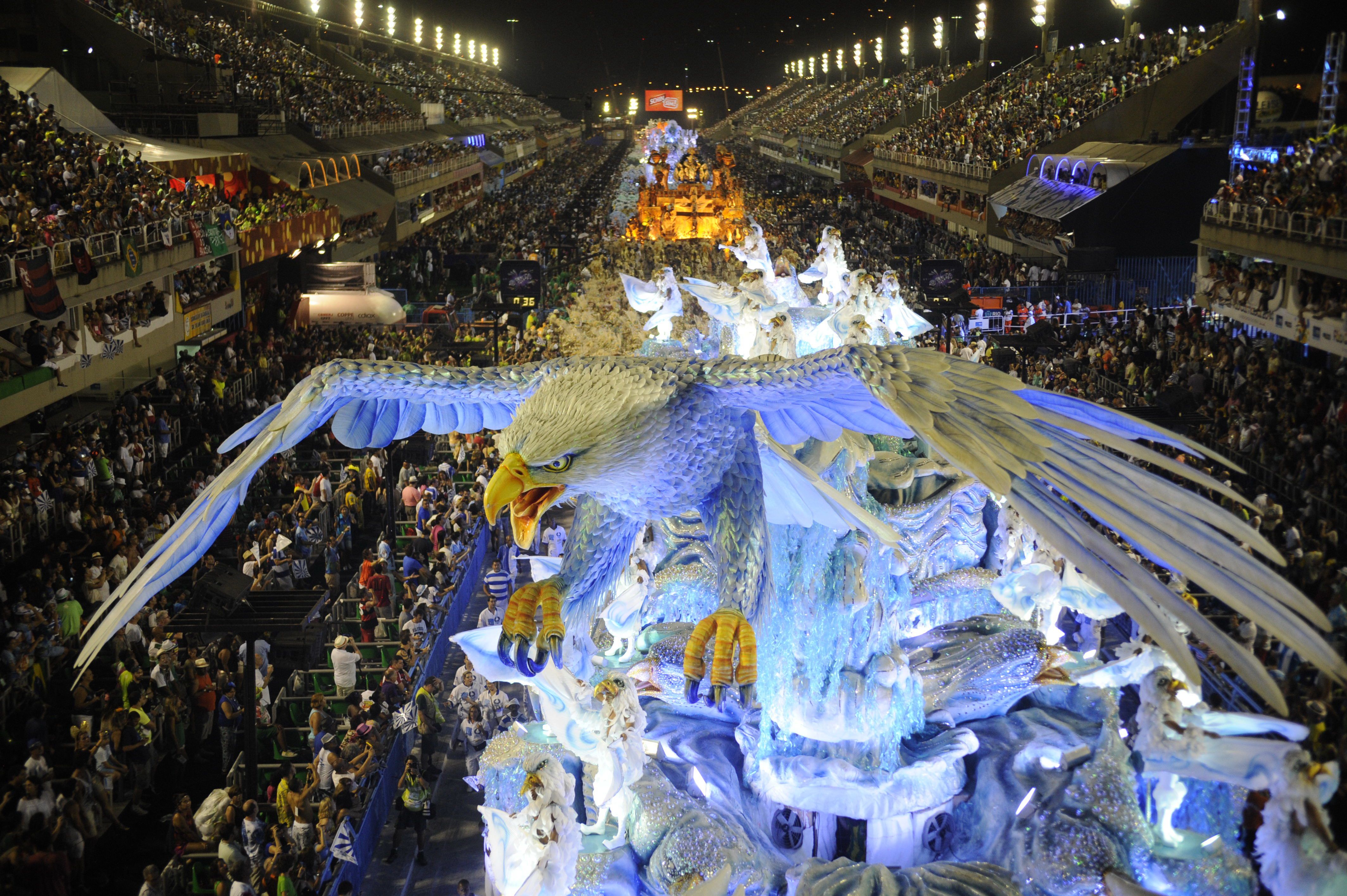
The Rio Carnival, or Carnaval do Rio de Janeiro, is an annual festival held in Rio de Janeiro, Brazil, preceding the Christian season of Lent. The heart of the modern carnival lies in the elaborate parades organized by samba schools, which are community-based groups that collaborate to create dazzling displays of music, dance, and thematic floats. These schools, numbering over 200 and divided into five leagues, compete fiercely, showcasing intricate choreography, vibrant costumes, and the infectious rhythm of samba. Beyond the Sambadrome, the city erupts with countless street parties, known as 'blocos,' transforming neighborhoods into spontaneous dance floors and solidifying its status as a cultural phenomenon of unparalleled scale and intensity.
🎵 Origins & History
Early iterations of the Rio Carnival were influenced by Portuguese traditions like the 'entrudo,' a boisterous, often messy, street game involving water and flour throwing. Over centuries, these European roots intertwined with African rhythms and indigenous influences, gradually morphing into the vibrant celebration known as the 'Carnaval.' The late 19th and early 20th centuries saw the formalization of samba schools, laying the groundwork for the modern spectacle that captivates the globe.
⚙️ How It Works: The Samba School Spectacle
The core of the Rio Carnival's competitive spirit resides within its samba schools, over 200 entities organized into five distinct leagues, with the elite 'Special Group' (Grupo Especial) commanding the most attention. Each school meticulously crafts a theme, or 'enredo,' for their parade, which dictates the costumes, floats, and narrative. A parade entry typically begins with the 'comissão de frente,' a group of dancers who set the tone and introduce the theme with synchronized choreography. Following them are the 'alas' (wings) of costumed dancers, accompanied by massive, elaborate floats ('carros alegóricos') that often reach staggering heights. The entire procession is propelled by the relentless beat of the samba bateria, a percussion ensemble of hundreds of musicians, and led by the 'mestre-sala' (master of ceremonies) and 'porta-bandeira' (flag bearer), who perform a symbolic dance. Judges evaluate schools on numerous criteria, including theme development, harmony, costumes, and the overall impact of their presentation.
📊 Key Facts & Numbers
The sheer scale of Rio Carnival is staggering. An estimated two million people flood the streets daily during the festival, generating billions of dollars in revenue for the city. The Sambadrome Marquês de Sapucaí, the purpose-built parade venue, can accommodate up to 72,500 spectators. Over 200 samba schools participate across various leagues, with the top 12 'Special Group' schools vying for the championship title each year. The parades themselves feature hundreds of participants per school, with floats often exceeding 10 meters in height and weighing tons. The economic impact extends beyond tourism, supporting thousands of jobs in costume design, float construction, and hospitality sectors.
👥 Key People & Organizations
While the carnival is a collective effervescence, certain figures and organizations are intrinsically linked to its existence and evolution. The 'Samba Schools' themselves, such as G.R.E.S. Portela, G.R.E.S. Imperatriz Leopoldinense, and G.R.E.S. Unidos da Tijuca, are the primary architects of the Sambadrome parades. Key figures like Carlos Mourao, a photographer who extensively documented the carnival, and Carlos Scarpa, a prominent costume designer, have shaped its visual identity. The Rio de Janeiro City Hall and the Riotur (Rio's tourism board) are crucial in organizing and promoting the event, while the LIESA (Independent League of Samba Schools of Rio de Janeiro) manages the Special Group competitions. The late samba icon Cartola, a founder of G.R.E.S. Mangueira, remains an enduring symbol of samba's soul.
🌍 Cultural Impact & Influence
The influence of Rio Carnival extends far beyond Brazil's borders, permeating global culture through music, dance, and visual arts. The infectious rhythms of samba have inspired musicians worldwide, from jazz artists to electronic music producers. The visual spectacle of the parades, with their vibrant costumes and elaborate floats, has influenced fashion, film, and even theatrical productions. The carnival's emphasis on community participation and collective celebration has inspired similar festivals and street parties in cities across the globe, from Mardi Gras in New Orleans to the Notting Hill Carnival in London. It has become a powerful symbol of Brazilian identity, showcasing the nation's rich cultural heritage and its capacity for joyous, large-scale public expression, significantly boosting Brazil's international tourism appeal.
⚡ Current State & Latest Developments
In recent years, Rio Carnival has navigated the complexities of modernization and sustainability. Discussions around sustainability are increasingly prominent, with samba schools exploring eco-friendly materials for costumes and floats, and organizers implementing waste reduction programs. Technological integration is also on the rise, with live streaming of parades reaching global audiences and augmented reality experiences being explored for future events. The ongoing challenge remains balancing the preservation of tradition with the demands of a globalized, environmentally conscious world, ensuring the carnival's continued relevance and appeal for generations to come.
🤔 Controversies & Debates
Rio Carnival is not without its controversies. The immense commercialization of the event, with major corporate sponsorships and escalating ticket prices, has led to debates about its accessibility to ordinary Brazilians, with some arguing it's becoming an event primarily for tourists. The environmental impact, despite efforts towards sustainability, remains a concern due to the sheer volume of resources consumed in costume and float production. Furthermore, issues of public safety, crowd management, and the occasional outbreaks of petty crime during the festivities are perennial challenges for authorities. The debate over the 'authenticity' of the modern carnival versus its historical roots also persists, with some lamenting the perceived dilution of traditional samba elements in favor of grander, more commercialized spectacles.
🔮 Future Outlook & Predictions
The future of Rio Carnival appears poised for continued evolution, balancing tradition with innovation. Expect further integration of digital technologies, potentially including virtual reality experiences for remote viewers and enhanced social media engagement. Sustainability initiatives will likely become more central, with samba schools and organizers facing increasing pressure to adopt greener practices. The economic model may see further diversification, exploring new revenue streams beyond traditional tourism. There's also a growing conversation around decentralizing the carnival, empowering more neighborhood 'blocos' and potentially reducing the overwhelming concentration of resources and attention on the Sambadrome parades. The enduring question remains: how to maintain the raw, infectious energy that defines Rio Carnival while adapting to a rapidly changing global landscape.
💡 Practical Applications
While primarily a cultural and celebratory event, Rio Carnival has significant practical applications and economic implications. It serves as a massive driver of tourism for Rio de Janeiro and Brazil, generating billions in revenue and supporting countless jobs in hospitality, transportation, and retail sectors. The intricate costume and float design processes foster significant creative industries, employing thousands of artisans, designers, and technicians. Furthermore, the organizational complexities of managing such a massive event provide valuable case studies in large-scale event management, logistics, and public safety planning. The carnival also acts as a powerful platform for cultural diplomacy, showcasing Brazilian culture to a global audience and fostering international connections.
Key Facts
- Category
- culture
- Type
- topic