
Contents
- 🌌 Introduction to Galactic Rotation
- 🔭 Observing the Cosmic Dance
- 🕳️ The Role of Dark Matter
- 🌈 Galactic Rotation and Star Formation
- 🚀 The Milky Way's Rotation Curve
- 🤔 The Great Attractor and Galactic Motion
- 🌐 Galactic Rotation and the Universe's Large-Scale Structure
- 📊 Simulating Galactic Rotation
- 👥 The History of Galactic Rotation Research
- 💡 Future Directions in Galactic Rotation Studies
- 📝 Conclusion: The Cosmic Dance Continues
- Frequently Asked Questions
- Related Topics
Overview
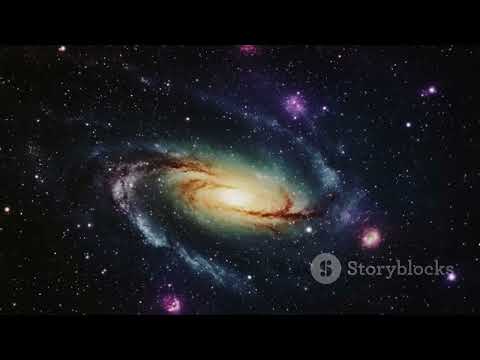
The rotation of the galaxy is a complex phenomenon that has fascinated astronomers for centuries. With a rotational period of approximately 225-250 million years, the Milky Way's spin is influenced by various factors, including dark matter, gravitational interactions with neighboring galaxies, and the presence of a supermassive black hole at its center. According to NASA, the galaxy's rotation curve is not a perfect spiral, but rather a barred spiral, with the bar-shaped structure at its center containing a significant amount of older stars. The study of galactic rotation has significant implications for our understanding of the universe, including the distribution of matter and energy within galaxies. As noted by Dr. Vera Rubin, a pioneering astronomer in the field, the rotation curves of galaxies are a key area of research in modern astrophysics. With the help of advanced telescopes and computational models, scientists continue to refine their understanding of the galaxy's rotation, shedding light on the intricate dynamics that govern the cosmos.
🌌 Introduction to Galactic Rotation
The study of galactic rotation is a fascinating field that has captivated astronomers for centuries. At its core, galactic rotation refers to the movement of stars, gas, and other celestial objects within a galaxy. The Milky Way, our home galaxy, is a prime example of a rotating galaxy, with its stars and gas orbiting around a central point. But what drives this rotation, and how does it impact the formation of stars and the overall structure of the galaxy? To answer these questions, we must delve into the world of astrophysics and explore the complex interactions between matter and energy within a galaxy.
🔭 Observing the Cosmic Dance
Astronomers have developed various methods to observe and measure galactic rotation. One of the most common techniques is to study the spectral lines of stars and gas within a galaxy. By analyzing the Doppler shift of these lines, scientists can determine the velocity of the stars and gas, which in turn reveals the rotation curve of the galaxy. The Hubble Space Telescope has played a crucial role in these observations, providing high-resolution images and spectra of galaxies across the universe. Additionally, radio astronomy has enabled scientists to study the rotation of galaxies in the radio spectrum, which has led to a greater understanding of the interstellar medium and its role in galactic rotation.
🕳️ The Role of Dark Matter
One of the most significant challenges in understanding galactic rotation is the presence of dark matter. This mysterious substance makes up approximately 27% of the universe's mass-energy density, yet it does not emit or reflect any electromagnetic radiation, making it invisible to our telescopes. Despite its elusive nature, dark matter plays a crucial role in the rotation of galaxies, as it provides the gravitational scaffolding for normal matter to cling to. The Bullet Cluster is a famous example of a galaxy cluster that has been used to study the distribution of dark matter and its impact on galactic rotation. Furthermore, the Large Hadron Collider has been used to search for dark matter particles, which could potentially reveal the nature of this enigmatic substance.
🌈 Galactic Rotation and Star Formation
The study of galactic rotation is closely tied to the formation of stars within a galaxy. As gas and dust collapse under their own gravity, they begin to spin faster and faster, eventually forming a protostar. The rotation of the galaxy plays a crucial role in this process, as it helps to regulate the flow of gas and dust onto the protostar. The spiral arms of a galaxy are a prime example of this process, as they are thought to be density waves that trigger the formation of new stars. The Orion Nebula is a famous example of a star-forming region, where the rotation of the galaxy has created a dense cloud of gas and dust that is giving birth to new stars. Moreover, the star formation rate is closely linked to the galactic rotation rate, as faster-rotating galaxies tend to have higher star formation rates.
🚀 The Milky Way's Rotation Curve
The Milky Way is a prime example of a rotating galaxy, with its stars and gas orbiting around a central point. The rotation curve of the Milky Way is a key area of study, as it provides insights into the distribution of mass within the galaxy. The rotation curve is a graph that plots the velocity of stars and gas against their distance from the center of the galaxy. By studying the rotation curve, scientists can infer the presence of dark matter and other unseen mass within the galaxy. The Sagittarius Dwarf Spheroidal Galaxy is a small galaxy that is currently being tidally disrupted by the Milky Way, providing a unique opportunity to study the effects of galactic rotation on the formation of stars and the distribution of dark matter.
🤔 The Great Attractor and Galactic Motion
The Great Attractor is a region of space that is pulling our galaxy, the Milky Way, and many others towards it. This phenomenon is thought to be caused by a large, unseen mass of dark matter that is exerting a gravitational force on the surrounding galaxies. The Great Attractor is a prime example of the complex interactions between galaxies and the large-scale structure of the universe. The Norma Cluster is a nearby galaxy cluster that is thought to be connected to the Great Attractor, and its study has provided valuable insights into the distribution of dark matter and the formation of galaxy clusters. Furthermore, the cosmic web is a network of galaxy filaments that crisscross the universe, and its study has revealed the complex interactions between galaxies and the large-scale structure of the universe.
🌐 Galactic Rotation and the Universe's Large-Scale Structure
The study of galactic rotation is closely tied to the large-scale structure of the universe. Galaxies are not isolated islands, but are instead connected by a web of galaxy filaments and voids. The cosmic web is a complex network of structures that stretches across the universe, and its study has revealed the complex interactions between galaxies and the distribution of dark matter. The Sloan Great Wall is a massive galaxy filament that is thought to be one of the largest structures in the universe, and its study has provided valuable insights into the distribution of galaxies and the formation of the cosmic web. Moreover, the large-scale structure of the universe is thought to be influenced by the rotation of galaxies, as it helps to regulate the flow of gas and dust onto galaxies and the formation of new stars.
📊 Simulating Galactic Rotation
Simulating galactic rotation is a complex task that requires sophisticated computer models. Scientists use a variety of techniques, including n-body simulations and smoothed particle hydrodynamics, to model the behavior of galaxies and their rotation. The Illustris Project is a famous example of a simulation that has been used to study the formation and evolution of galaxies, including the rotation of galaxies and the distribution of dark matter. Furthermore, the EAGLE project is a simulation that has been used to study the formation of galaxies and the rotation of galaxies, and its results have provided valuable insights into the complex interactions between galaxies and the large-scale structure of the universe.
👥 The History of Galactic Rotation Research
The study of galactic rotation has a rich history that dates back to the early 20th century. Scientists such as Edwin Hubble and Jan Oort made significant contributions to our understanding of galactic rotation, including the discovery of the rotation curve of the Milky Way. The Palomar Observatory has played a crucial role in the study of galactic rotation, as it has provided high-resolution images and spectra of galaxies across the universe. Moreover, the Atlas of Peculiar Galaxies is a famous catalog of galaxies that has been used to study the rotation of galaxies and the distribution of dark matter.
💡 Future Directions in Galactic Rotation Studies
The study of galactic rotation is an active area of research, with scientists using a variety of techniques to study the rotation of galaxies. Future directions in galactic rotation studies include the use of next-generation telescopes, such as the James Webb Space Telescope and the Square Kilometre Array, to study the rotation of galaxies in unprecedented detail. The Euclid mission is a future satellite that will be used to study the distribution of dark matter and the rotation of galaxies, and its results are expected to provide valuable insights into the nature of dark matter and the formation of galaxies. Furthermore, the LSST is a future telescope that will be used to study the rotation of galaxies and the distribution of dark matter, and its results are expected to provide valuable insights into the complex interactions between galaxies and the large-scale structure of the universe.
📝 Conclusion: The Cosmic Dance Continues
In conclusion, the study of galactic rotation is a fascinating field that has captivated astronomers for centuries. From the rotation of the Milky Way to the formation of stars and the distribution of dark matter, the study of galactic rotation has revealed the complex interactions between galaxies and the large-scale structure of the universe. As scientists continue to study the rotation of galaxies, they are expected to uncover new and exciting insights into the nature of the universe and the behavior of galaxies within it. The galactic rotation is a complex and fascinating phenomenon that continues to inspire scientific inquiry and discovery.
Key Facts
- Year
- 2023
- Origin
- NASA's Galactic Astronomy Research Initiative
- Category
- Astronomy
- Type
- Astrophysical Phenomenon
Frequently Asked Questions
What is galactic rotation?
Galactic rotation refers to the movement of stars, gas, and other celestial objects within a galaxy. The rotation of a galaxy is driven by the gravitational force of the galaxy's mass, and it plays a crucial role in the formation of stars and the distribution of dark matter. The study of galactic rotation has revealed the complex interactions between galaxies and the large-scale structure of the universe.
What is the role of dark matter in galactic rotation?
Dark matter plays a crucial role in the rotation of galaxies, as it provides the gravitational scaffolding for normal matter to cling to. The presence of dark matter helps to regulate the flow of gas and dust onto galaxies, and it influences the formation of stars and the distribution of dark matter within a galaxy. The study of dark matter has revealed the complex interactions between galaxies and the large-scale structure of the universe.
How is galactic rotation measured?
Galactic rotation is measured by studying the spectral lines of stars and gas within a galaxy. By analyzing the Doppler shift of these lines, scientists can determine the velocity of the stars and gas, which in turn reveals the rotation curve of the galaxy. The rotation curve is a graph that plots the velocity of stars and gas against their distance from the center of the galaxy.
What is the significance of the Milky Way's rotation curve?
The rotation curve of the Milky Way is a key area of study, as it provides insights into the distribution of mass within the galaxy. The rotation curve is a graph that plots the velocity of stars and gas against their distance from the center of the galaxy. By studying the rotation curve, scientists can infer the presence of dark matter and other unseen mass within the galaxy.
What are the future directions in galactic rotation studies?
Future directions in galactic rotation studies include the use of next-generation telescopes, such as the James Webb Space Telescope and the Square Kilometre Array, to study the rotation of galaxies in unprecedented detail. The Euclid mission and the LSST are future satellites and telescopes that will be used to study the distribution of dark matter and the rotation of galaxies, and their results are expected to provide valuable insights into the nature of dark matter and the formation of galaxies.
What is the relationship between galactic rotation and star formation?
The study of galactic rotation is closely tied to the formation of stars within a galaxy. As gas and dust collapse under their own gravity, they begin to spin faster and faster, eventually forming a protostar. The rotation of the galaxy plays a crucial role in this process, as it helps to regulate the flow of gas and dust onto the protostar. The spiral arms of a galaxy are a prime example of this process, as they are thought to be density waves that trigger the formation of new stars.
What is the significance of the Great Attractor?
The Great Attractor is a region of space that is pulling our galaxy, the Milky Way, and many others towards it. This phenomenon is thought to be caused by a large, unseen mass of dark matter that is exerting a gravitational force on the surrounding galaxies. The Great Attractor is a prime example of the complex interactions between galaxies and the large-scale structure of the universe.