
Contents
Overview
Rotorua, nestled on the shores of Lake Rotorua in New Zealand's North Island, is a city defined by its potent geothermal activity and deep-rooted Māori heritage. European settlers arrived in the 19th century, drawn by the unique volcanic landscape, leading to the city's formal establishment. Today, Rotorua is a major tourist destination, renowned for its bubbling mud pools, geysers, and vibrant Māori cultural experiences. Its economy is intrinsically linked to tourism, geothermal energy, and the preservation of its rich cultural identity.
🎵 Origins & History
The story of Rotorua begins with the arrival of Te Arawa Māori, who established a significant settlement at Ohinemutu, a settlement that remains a vital cultural hub. By the mid-19th century, European interest piqued, driven by the unique volcanic landscape and the potential for development. This culminated in the formal establishment of Rotorua as a town, marking the beginning of its dual identity as a burgeoning European settlement and a custodian of ancient Māori traditions.
⚙️ Geothermal Wonders: How It Works
Rotorua's unique character is a direct result of its location atop the Taupō Volcanic Zone, a highly active geothermal area. The earth's crust here is thin, allowing superheated water and steam from the mantle to rise to the surface. This geothermal energy manifests in various forms: geysers like Pōhutu Geyser erupt columns of water and steam, boiling mud pools gurgle with subterranean heat, and hot springs offer therapeutic bathing. The chemical composition of the geothermal fluids, rich in sulfur compounds, is responsible for the distinctive eggy smell that permeates the city. This natural phenomenon is harnessed for direct heating and electricity generation, a testament to the practical application of geological forces.
📊 Key Facts & Numbers
Rotorua is home to a resident population, making it a significant urban area in the Bay of Plenty region. Annually, Rotorua attracts visitors, with tourism contributing significantly to its economy. Geothermal energy production in the region supplies direct heat to households and numerous businesses, reducing reliance on fossil fuels. The Rotorua Lakes District Council oversees a district with a resident population.
👥 Key People & Organizations
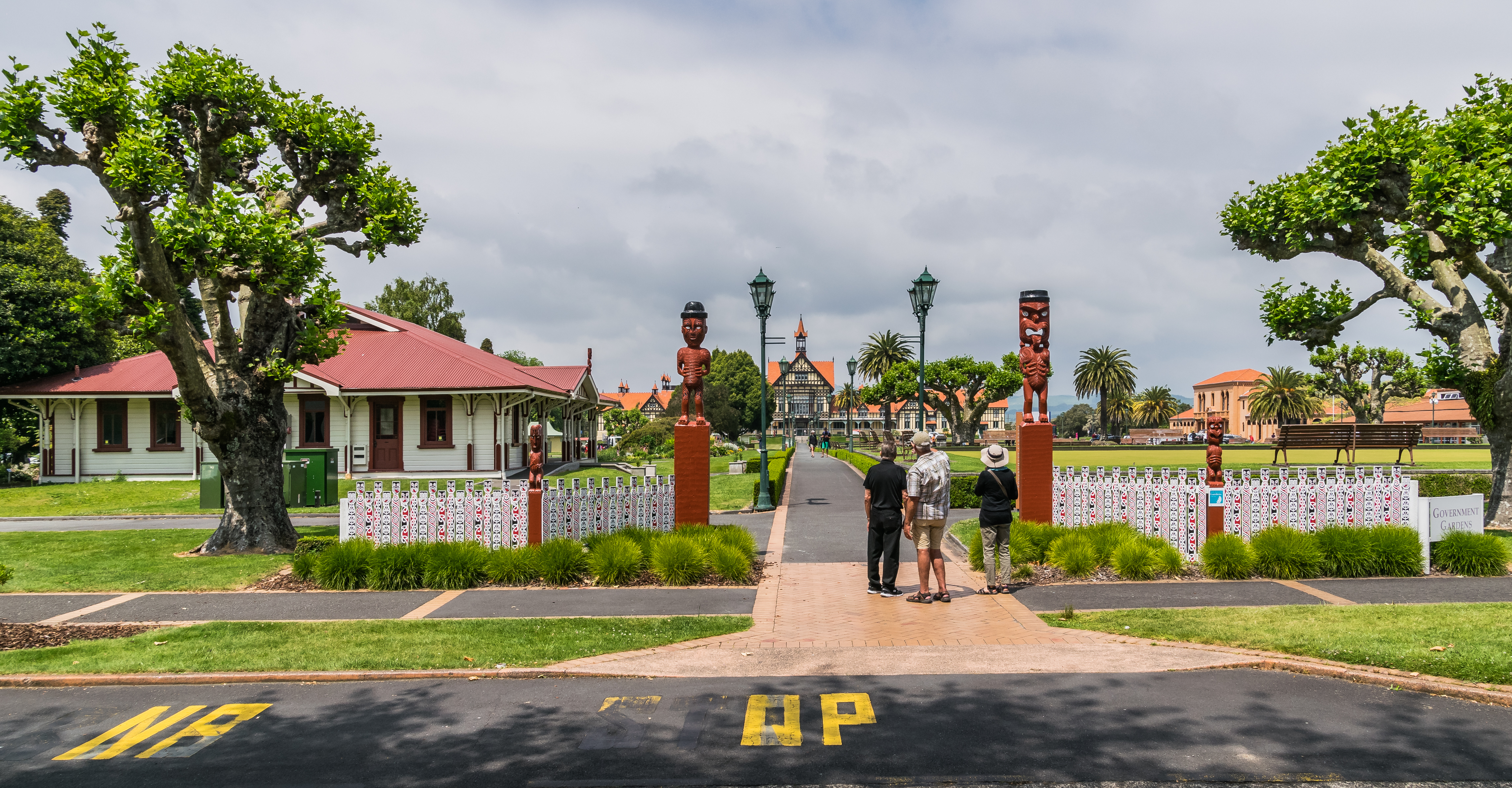
The Te Arawa Māori people are central to Rotorua's identity, with iwi like Ngāti Whakaue having deep historical ties to the land. Early European settlers and administrators, such as Julius von Haast, recognized the scientific and touristic potential of the geothermal fields in the late 19th century. The Rotorua Museum Art and History (currently undergoing significant earthquake strengthening) has been a key institution for preserving and showcasing the region's heritage. More recently, organizations like Rotorua NZ (the official tourism body) and various geothermal energy companies, such as Contact Energy, play crucial roles in managing the city's resources and promoting its attractions.
🌍 Cultural Impact & Influence
Rotorua's influence extends far beyond its geographical boundaries, primarily through its role as a global ambassador for Māori culture. The city is a living museum, offering authentic Māori cultural experiences that have shaped international perceptions of New Zealand. Performances of haka and traditional songs, along with insights into marae protocols, provide a profound cultural immersion. The distinctive geothermal landscape has also inspired artists and writers, embedding Rotorua's unique visual and sensory identity into the national consciousness. Its geothermal activity has served as a model for geothermal energy development in other volcanically active regions worldwide.
⚡ Current State & Latest Developments
In 2024, Rotorua continues to navigate the delicate balance between its thriving tourism industry and the preservation of its unique environment. The city is actively investing in sustainable tourism initiatives and exploring advanced geothermal energy technologies. Following significant earthquake damage, the Rotorua Museum is undergoing extensive restoration, aiming to enhance its role as a cultural anchor. Efforts are also underway to manage the increasing visitor numbers, particularly around key geothermal sites like Te Puia and Wai-O-Tapu Thermal Wonderland, to mitigate environmental impact and ensure an authentic visitor experience.
🤔 Controversies & Debates
Rotorua's geothermal activity, while a major draw, also presents ongoing challenges. The distinct sulfurous smell, often described as the 'aroma of Rotorua,' is a point of contention for some residents and visitors, though many come to embrace it as part of the city's character. Debates also arise concerning the sustainable management of geothermal resources, balancing energy extraction with the preservation of natural phenomena. Furthermore, the economic reliance on tourism makes the city vulnerable to global economic downturns and shifts in travel trends, as seen during the COVID-19 pandemic. The ongoing seismic activity of the Taupō Volcanic Zone also necessitates continuous monitoring and preparedness.
🔮 Future Outlook & Predictions
The future of Rotorua appears intrinsically linked to innovation in geothermal energy and sustainable tourism. Experts predict continued growth in geothermal power generation, potentially reaching higher percentages of the region's energy needs, especially with advancements in enhanced geothermal systems. The city is also poised to become a leader in eco-tourism, focusing on immersive cultural experiences that prioritize environmental stewardship. There's speculation that Rotorua could become a testbed for new technologies in carbon capture and utilization, leveraging its unique geological setting. The ongoing development of the Rotorua Lakefront Development project signals a commitment to enhancing public spaces and visitor amenities, further solidifying its appeal.
💡 Practical Applications
Rotorua's geothermal resources offer a wealth of practical applications. Direct use of geothermal heat is widespread, warming homes, swimming pools, and greenhouses, significantly reducing energy costs and carbon footprints. The Energy Events Centre and other venues utilize geothermal energy for heating and cooling. Beyond direct energy use, the mineral-rich geothermal waters are utilized in spa and wellness facilities, attracting visitors seeking therapeutic benefits. The unique geological conditions also make Rotorua a site for scientific research into volcanology and geothermal engineering, contributing to global knowledge in these fields. Furthermore, the geothermal landscape itself is a natural laboratory for studying extremophile organisms.
Key Facts
- Category
- place
- Type
- place