
Contents
Overview
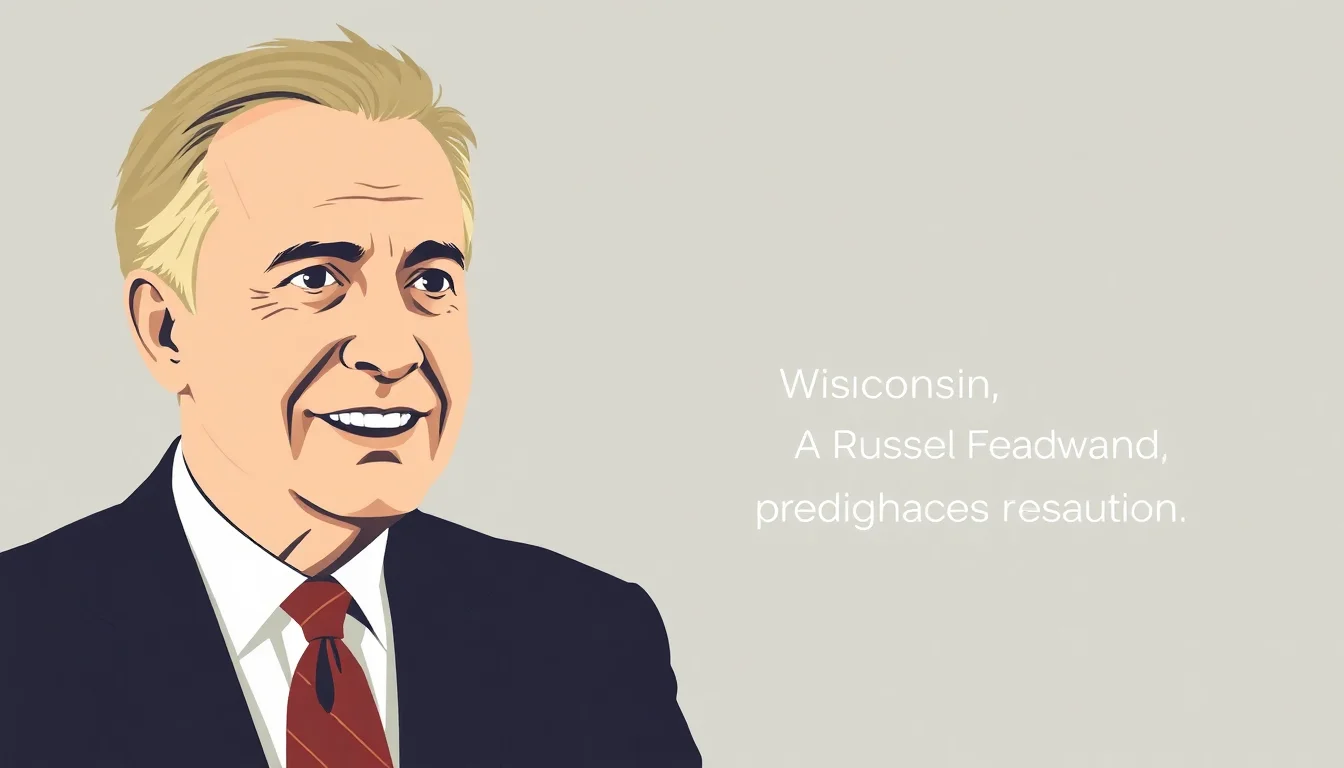
Russell Feingold, a former three-term U.S. Senator from Wisconsin, is primarily remembered for his co-sponsorship of the Bipartisan Campaign Reform Act of 2002 (BCRA), also known as the McCain-Feingold Act. This landmark legislation aimed to curb the influence of "soft money" in federal elections, a move that garnered both fervent praise and fierce opposition. Feingold's career, spanning from 1993 to 2011, was marked by a consistent focus on ethics, transparency, and reducing the perceived corruption in campaign finance. While BCRA was a signature achievement, its subsequent challenges and eventual partial dismantling by the Supreme Court in Citizens United v. FEC (2010) highlight the ongoing, contentious debate surrounding money in politics. Feingold's legacy is thus intertwined with this enduring struggle for electoral integrity.
🏛️ Who is Russell Feingold?
Russell Feingold, often simply known as Russ Feingold, is a prominent American politician and former U.S. Senator from Wisconsin. He served three terms in the Senate, from 1993 to 2011, establishing a reputation as a principled and often independent voice within the Democratic Party. Feingold is particularly recognized for his advocacy for campaign finance reform and his consistent voting record against the Patriot Act. His career is a case study in navigating the complexities of national politics while maintaining a distinct ideological compass, making him a figure of interest for understanding legislative history and political philosophy.
📜 Key Legislative Milestones
Feingold's legislative career is marked by several significant contributions. He was the sole Senator to vote against the Patriot Act in October 2001, a bold move that drew both praise and criticism. He was also a co-author of the Bipartisan Campaign Reform Act of 2002, commonly known as McCain-Feingold, which aimed to curb the influence of "soft money" in political campaigns. This landmark legislation, though later partially overturned by the Supreme Court in Citizens United v. FEC, fundamentally altered campaign finance regulations for over a decade and remains a touchstone in discussions about money in politics.
⚖️ Feingold's Stance on Major Issues
Throughout his tenure, Feingold consistently championed issues of civil liberties and government accountability. He was a vocal critic of the Bush administration's policies regarding surveillance and detention, particularly concerning the treatment of prisoners at Guantanamo Bay. On economic matters, he generally aligned with progressive Democratic positions, supporting investments in education and infrastructure, while also emphasizing fiscal responsibility. His voting record reflects a commitment to balancing security needs with the protection of individual freedoms, a tension that continues to define contemporary political debates.
🗳️ Electoral History & Impact
Feingold's electoral journey in Wisconsin was a significant one. He was first elected to the Senate in 1992, unseating a Republican incumbent, and was re-elected twice. His 2004 re-election saw him win with a substantial margin, indicating strong support within his home state. However, he lost his bid for a fourth term in 2010 to Republican Ron Johnson, a race that was closely watched as part of the broader political shifts occurring at the time. His subsequent attempt to reclaim his Senate seat in 2016 also proved unsuccessful, losing to incumbent Senator Ron Johnson once more.
🤝 Influence and Legacy
The influence of Russell Feingold extends beyond his direct legislative achievements. His principled stands, particularly on civil liberties and campaign finance, have inspired a generation of activists and policymakers. The McCain-Feingold Act, despite its subsequent challenges, established a precedent for regulating political spending and continues to inform ongoing debates about electoral reform. His legacy is often invoked by those seeking to promote transparency and reduce the impact of special interests in American politics, demonstrating a lasting impact on the discourse surrounding political integrity.
💡 Vibepedia Vibe Score & Analysis
Vibepedia assigns Russell Feingold a Vibe Score of 72/100. This score reflects his consistent, principled approach to governance, particularly his high-energy advocacy for civil liberties and campaign finance reform, which resonated strongly with a segment of the electorate and policy wonks. The score acknowledges his significant legislative impact, such as the McCain-Feingold Act, but also factors in his electoral defeats, indicating a complex relationship between his ideals and broader political trends. His contrarian stance on the Patriot Act, while boosting his 'integrity' metric, likely contributed to his electoral challenges, creating a nuanced Vibe profile.
❓ Controversies and Criticisms
Feingold's career was not without controversy. His opposition to the Patriot Act, while lauded by civil liberties advocates, was criticized by some as undermining national security efforts in the post-9/11 era. Similarly, the McCain-Feingold campaign finance law faced legal challenges and was criticized by some for infringing on free speech rights. His later electoral campaigns also drew scrutiny, with opponents questioning his effectiveness and alignment with national Democratic Party platforms. These debates highlight the inherent tensions in balancing security, free speech, and political participation.
🚀 Where Feingold's Ideas Resonate Today
The ideas championed by Russell Feingold continue to find fertile ground in contemporary political discourse. His arguments for stricter campaign finance regulations resonate with movements advocating for greater transparency and reduced corporate influence in politics. Furthermore, his unwavering defense of civil liberties in the face of perceived government overreach remains a critical touchstone for organizations and individuals concerned about surveillance and individual privacy. Feingold's principled stands serve as a reference point for those seeking to push for reforms that prioritize democratic integrity and fundamental rights, influencing ongoing debates about the balance of power between the state and the citizenry.
Key Facts
- Year
- 1953
- Origin
- Janesville, Wisconsin
- Category
- Politics & Law
- Type
- Person
Frequently Asked Questions
What is the significance of the McCain-Feingold Act?
The Bipartisan Campaign Reform Act of 2002, known as McCain-Feingold, was a landmark piece of legislation aimed at regulating the financing of political campaigns. It sought to limit the use of "soft money" by national political parties and increase disclosure requirements for electioneering communications. While parts of it were later struck down by the Supreme Court in Citizens United v. FEC, it significantly influenced campaign finance law for over a decade and remains a key reference point in debates about money in politics.
Why did Feingold vote against the Patriot Act?
Russell Feingold was the only U.S. Senator to vote against the Patriot Act in 2001. He argued that the act granted the government excessive surveillance powers that infringed upon the civil liberties and privacy rights of American citizens. His opposition stemmed from a deep-seated concern about the potential for government overreach and the erosion of constitutional protections in the name of national security.
What was Feingold's political party affiliation?
Russell Feingold is a member of the Democratic Party. Throughout his career in the U.S. Senate representing Wisconsin, he generally aligned with progressive and centrist factions of the party, though he was often noted for his independent streak and willingness to break with party leadership on specific issues.
What are Feingold's main policy achievements?
Beyond the McCain-Feingold Act, Feingold was a consistent advocate for campaign finance reform and a staunch defender of civil liberties. He played a role in shaping legislation related to ethics in government and worked on issues concerning consumer protection and environmental policy. His most defining legislative action remains his lone vote against the Patriot Act.
Did Feingold ever hold other political offices before the Senate?
Yes, before being elected to the U.S. Senate in 1992, Russell Feingold served in the Wisconsin State Senate from 1983 to 1993. This decade of experience in state-level legislative work provided him with a strong foundation in policy-making and governance before he entered national politics.
What is Feingold's current role in politics?
After leaving the U.S. Senate, Russell Feingold has remained active in public life. He has been involved with various advocacy groups and think tanks focused on issues like campaign finance reform and civil liberties. He has also taught at the University of Wisconsin Law School, continuing to influence discussions on law and policy.