
Contents
Overview
The genesis of Santo Domingo dates back to August 1496, when Bartholomew Columbus, brother of Christopher Columbus, established the settlement on the eastern bank of the Ozama River. Initially named La Isabela, it was later moved to its current location and renamed Santo Domingo de Guzmán in honor of Saint Dominic. This strategic positioning made it the primary base for Spanish exploration and conquest across the Americas. By the early 16th century, it was the administrative and religious nucleus of the Spanish Empire in the New World, witnessing the construction of foundational institutions like the Cathedral of Santa María la Menor and the Fortaleza Ozama. The city endured pirate attacks and natural disasters, yet its resilience cemented its status as the 'Ciudad primada de América' (First City of America). A dark chapter unfolded during the 20th century when it was renamed Ciudad Trujillo from 1936 to 1961, a period marked by the authoritarian rule of Rafael Trujillo, before reverting to its historical name.
⚙️ Urban Fabric & Infrastructure
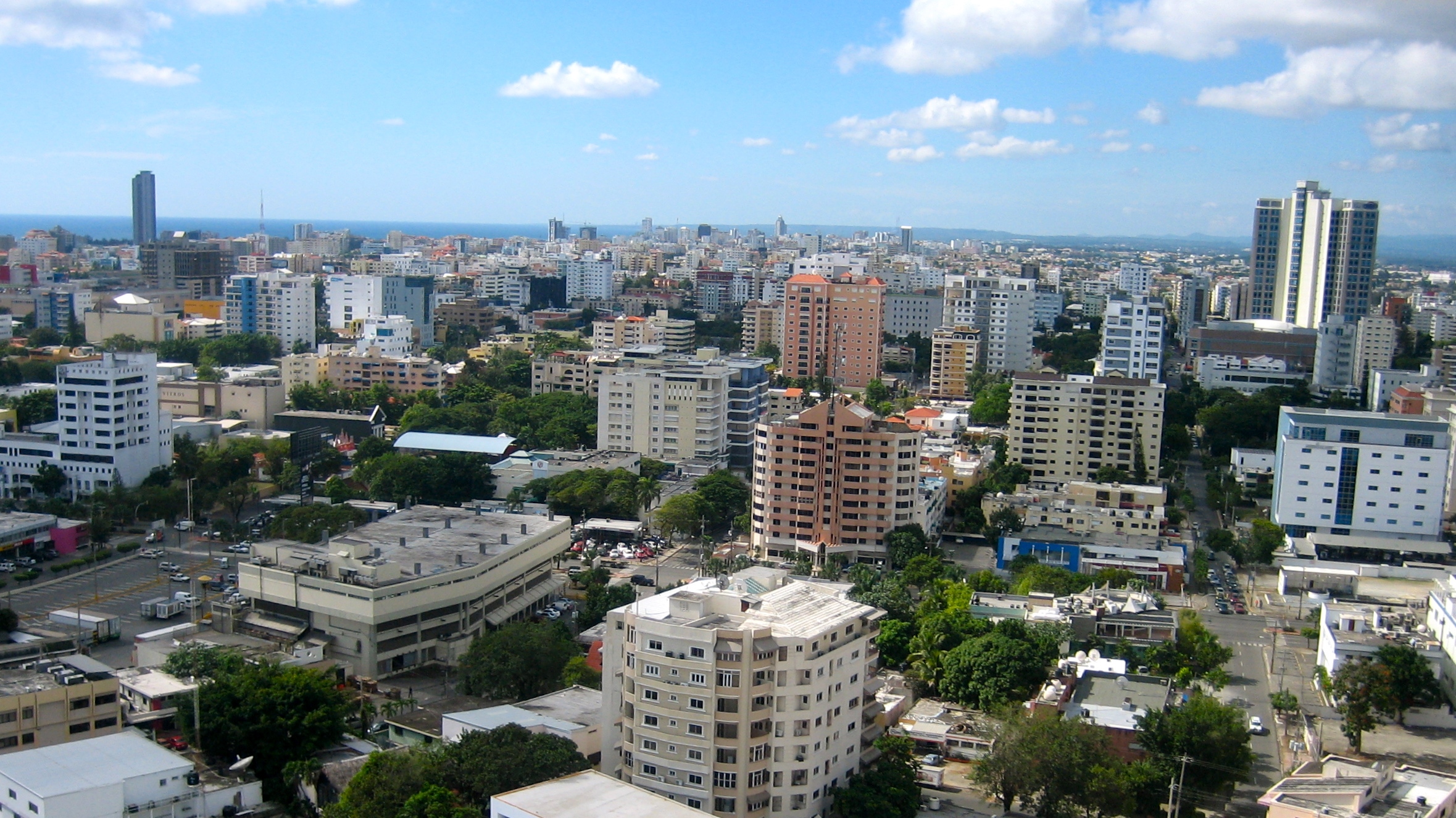
Santo Domingo's urban landscape is a fascinating juxtaposition of colonial architecture and modern development. The Zona Colonial, a UNESCO World Heritage Site, preserves cobblestone streets, historic plazas, and buildings like the Alcázar de Colón (Diego Columbus's palace) and the Monastery of San Francisco. Beyond this historic core, the city sprawls outwards with distinct neighborhoods, each possessing its own character. The Distrito Nacional serves as the administrative heart, while Greater Santo Domingo encompasses surrounding municipalities, creating a vast metropolitan sprawl. Infrastructure development, including the Santo Domingo Metro system, aims to manage the city's significant population and traffic flow, though congestion remains a persistent challenge, particularly along major arteries like Avenida Winston Churchill and Avenida 27 de Febrero.
📊 Key Facts & Numbers
As of the latest available data, the Distrito Nacional, the administrative core of Santo Domingo, houses approximately 1.1 million residents, while the broader metropolitan area, Greater Santo Domingo, is home to over 4.2 million people, making it the largest urban agglomeration in the Caribbean. The city covers an area of roughly 130.22 square kilometers (50.28 sq mi). In 2023, the Dominican Republic's GDP was estimated at $115 billion, with Santo Domingo serving as its economic engine, contributing a significant portion of this figure. Tourism remains a vital sector, attracting over 8 million visitors to the Dominican Republic annually, with many passing through or staying in the capital. The city's port handles substantial cargo, underscoring its role as a key logistical hub for the Caribbean.
👥 Key Figures & Institutions
The historical founding of Santo Domingo is attributed to Bartholomew Columbus, brother of Christopher Columbus. Today, the city is governed by the Mayor's Office of the National District (Alcaldía del Distrito Nacional), currently led by Mayor Carolina Mejía. Key national institutions are headquartered here, including the Presidential Palace, the National Congress, and the Supreme Court of Justice. Major cultural institutions include the National Museum of Natural History and the National Theater. The Pontifical Catholic University Madre y Maestra (PUCMM) and Autonomous University of Santo Domingo (UASD) are among the prominent educational centers shaping the city's intellectual landscape.
🌍 Cultural Resonance & Influence
Santo Domingo's cultural impact resonates deeply throughout the Caribbean and beyond. As the cradle of European civilization in the Americas, it laid the groundwork for subsequent colonial urban planning and cultural imposition. Its historical sites, particularly the Colonial Zone, are not just tourist attractions but living museums that inform national identity. The city is a crucible of Dominican culture, blending Taíno, African, and Spanish influences. It is a birthplace and major center for merengue and bachata music and dance, genres that have achieved global popularity. The city's cuisine, art scene, and vibrant street life contribute to a unique Caribbean vibe, influencing regional aesthetics and cultural expressions. The legacy of Ciudad Trujillo also remains a significant, albeit controversial, part of its modern identity, prompting ongoing discussions about historical memory and national narrative.
⚡ Contemporary Pulse
In the contemporary era, Santo Domingo is a bustling metropolis grappling with the complexities of rapid urbanization and economic growth. The city is a major financial and commercial center, with a burgeoning service sector and significant foreign investment, particularly in real estate and tourism. Efforts are underway to modernize infrastructure and improve public services, though challenges persist. The Ministry of Tourism continues to promote the city's historical sites alongside its modern attractions, aiming to attract a diverse range of visitors. The city's nightlife is legendary, with numerous bars, clubs, and live music venues showcasing Dominican music and fostering a lively social scene, particularly in areas like El Malecón and the Zona Colonial.
🤔 Debates & Challenges
Santo Domingo faces several persistent challenges. Traffic congestion is a major concern, with an ever-increasing number of vehicles overwhelming the existing road networks and public transport system. Urban sprawl, while indicative of growth, also strains resources and infrastructure, leading to issues with waste management and access to basic services in peripheral areas. The stark economic disparities within the city are also a point of contention, with significant wealth concentrated in certain districts while others struggle with poverty. Debates often arise regarding the preservation of historical sites versus the demands of modern urban development, and the ongoing process of reconciling the legacy of the Trujillo era with a democratic present.
🔮 Future Trajectories
The future of Santo Domingo appears poised for continued growth and transformation. Investments in infrastructure, including potential expansions of the metro system and improvements to public transportation, are likely to shape its urban development. The city is expected to remain a key economic driver for the Dominican Republic, with a focus on diversifying its economy beyond tourism and remittances. Efforts to enhance sustainability and address environmental concerns, such as water management and green spaces, will become increasingly critical. Furthermore, the city's role as a cultural hub for the Caribbean is likely to expand, with potential for greater regional collaboration in arts, music, and cultural exchange, solidifying its position as a dynamic and evolving Caribbean capital.
💡 Practicalities for Visitors
For visitors, Santo Domingo offers a rich historical and cultural experience. The Zona Colonial is a must-see, best explored on foot to appreciate its architecture and atmosphere. Key historical sites include the Alcázar de Colón, Catedral Primada de América, and Fortaleza Ozama. For a taste of modern city life, a stroll along El Malecón provides ocean views and a lively ambiance, especially in the evenings. The city boasts numerous museums, art galleries, and vibrant markets. Navigating the city can be done via metro, taxis, or ride-sharing apps like Uber. It's advisable to be aware of your surroundings, especially in crowded areas, and to stay hydrate
Key Facts
- Category
- place
- Type
- topic