
Contents
- 🌲 The Giants: What Sequoia National Park Is
- 📍 Location & Access: Getting to the Land of Titans
- ⏰ Hours & Best Times to Visit: Timing Your Trip
- 💰 Pricing & Passes: Entry Fees and Options
- ⭐ What People Say: Vibe Scores and Visitor Feedback
- ⚖️ Sequoia vs. Yosemite: A Tale of Two Parks
- 🚶♀️ Must-Do Activities & Trails: Experiencing the Majesty
- 🏕️ Camping & Lodging: Sleeping Among the Sequoias
- 💡 Practical Tips for Your Visit: Navigating the Park
- 🗺️ Planning Your Trip: Resources and Next Steps
- Frequently Asked Questions
- Related Topics
Overview
Sequoia National Park, established in 1890, is a cathedral of colossal trees, primarily the giant sequoia (Sequoiadendron giganteum), the largest trees on Earth by volume. This park, nestled in California's southern Sierra Nevada mountains, is a testament to nature's grandeur and a vital sanctuary for these ancient giants. Beyond the iconic trees, it boasts dramatic granite peaks, deep canyons, and diverse ecosystems, offering a profound connection to the wild. It's a place where you can stand in awe of living organisms that have witnessed centuries of history, making it a pilgrimage site for nature lovers and a crucial area for conservation efforts. The sheer scale of the sequoias, some over 250 feet tall and with bases wider than a car, redefines your perception of size and time, offering a humbling and awe-inspiring experience that few places on Earth can match. The park's designation as a National Park underscores its national significance and the commitment to preserving its unique natural heritage for future generations.
📍 Location & Access: Getting to the Land of Titans
Sequoia National Park is located in central California, approximately 220 miles north of Los Angeles and 180 miles east of Fresno. The primary entrance is via Highway 198, east of Visalia. The drive itself is scenic, winding through foothills before ascending into the mountains. Be aware that Highway 198 is a narrow, winding road with steep grades, particularly as you approach the park. RVs and trailers over 22 feet are prohibited on certain sections of the Generals Highway due to sharp turns and steep inclines. The closest major airports are Fresno Yosemite International Airport (FAT) and Los Angeles International Airport (LAX), both requiring a significant drive to reach the park. Consider renting a car for the most flexibility in exploring the park and its surrounding areas. California State Route 198 serves as the main artery into the park, connecting it to nearby towns like Three Rivers.
⏰ Hours & Best Times to Visit: Timing Your Trip
Sequoia National Park is open year-round, but access and conditions vary significantly by season. Summer (June-August) offers the most accessible conditions, with all roads and facilities typically open. However, this is also the busiest period, with crowds and limited parking. Spring (April-May) is beautiful with wildflowers, but higher elevations may still have snow, and some roads might be closed. Autumn (September-October) provides fewer crowds and stunning fall colors, though early snow can impact accessibility. Winter (November-March) sees significant snowfall, closing many roads, including the Generals Highway between Sequoia and Kings Canyon National Parks. Check the official National Park Service website for current road conditions and facility closures before your visit. The park's Vibe Score is highest in late spring and early fall, balancing pleasant weather with manageable crowds.
💰 Pricing & Passes: Entry Fees and Options
Entry to Sequoia National Park requires a fee. A single vehicle pass costs $35 and is valid for seven days. This pass grants access to both Sequoia and Kings Canyon National Parks, as the two parks are managed jointly. For frequent visitors, an annual America the Beautiful Pass, costing $80, provides access to all national parks and federal recreation lands for a year. Seniors, active military personnel, and individuals with disabilities may qualify for discounted or free passes. There are no additional fees for camping or specific activities within the park, though reservations for campgrounds and lodging are highly recommended and often incur separate charges. Consider purchasing your pass online in advance to expedite entry, especially during peak season. The America the Beautiful Pass is an excellent value for those planning multiple national park visits.
⭐ What People Say: Vibe Scores and Visitor Feedback
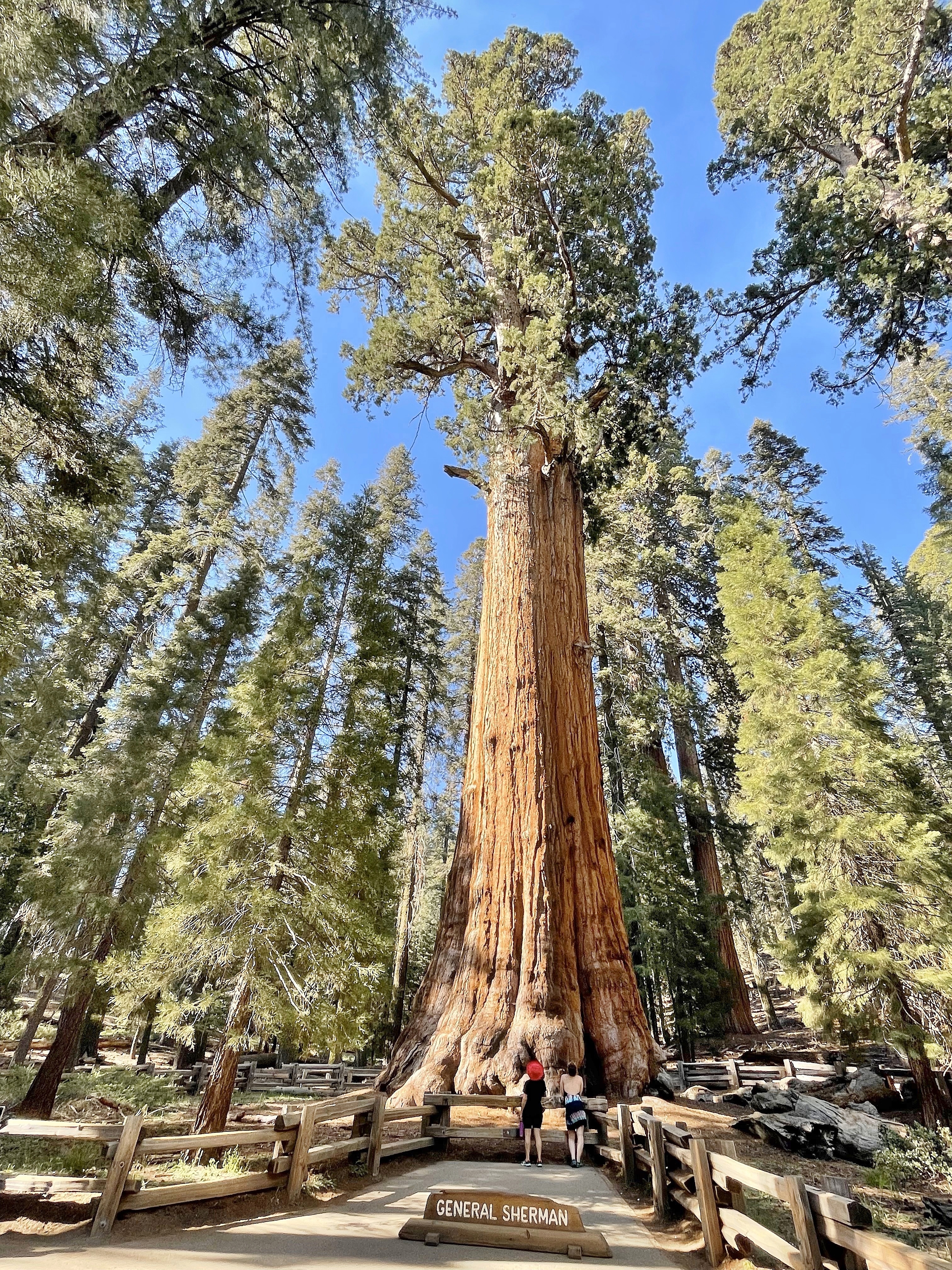
Sequoia National Park consistently receives high marks from visitors, often scoring an 8.5/10 on Vibepedia's Vibe Score for its awe-inspiring natural beauty and unique attractions. Visitors frequently praise the sheer scale of the giant sequoias, the dramatic mountain scenery, and the sense of tranquility. Common themes in reviews highlight the humbling experience of standing beside trees like the General Sherman Tree, the largest tree on Earth by volume. Some visitors note the challenging, winding roads and the potential for crowds during peak season as minor drawbacks. The park's accessibility for those with mobility issues can be limited in certain areas, though paved paths exist around major attractions. Overall, the park's Vibe Score is driven by its unparalleled natural wonders and the profound sense of peace it offers.
⚖️ Sequoia vs. Yosemite: A Tale of Two Parks
While both Sequoia and Yosemite National Parks are jewels of the Sierra Nevada, they offer distinct experiences. Yosemite is renowned for its dramatic granite cliffs, iconic waterfalls (like Yosemite Falls), and the vast Yosemite Valley, attracting a more diverse range of activities from rock climbing to photography. Sequoia, on the other hand, is defined by its ancient, colossal trees, offering a more grounded, awe-inspiring encounter with nature's oldest and largest living organisms. Yosemite's Vibe Score often leans higher due to its dramatic, postcard-perfect vistas, while Sequoia's score is driven by its unique, humbling scale. If you seek towering granite and cascading water, Yosemite is your destination. If you want to feel dwarfed by ancient, living giants, Sequoia awaits. Both parks are managed by the National Park Service and offer unparalleled natural beauty.
🚶♀️ Must-Do Activities & Trails: Experiencing the Majesty
The undisputed highlight is visiting the General Sherman Tree, the largest living tree on Earth by volume, located in the Giant Forest. Other must-see groves include the General Grant Grove, home to the General Grant Tree, and the Congress Trail, a paved loop that winds through a magnificent collection of sequoias. For a panoramic view, hike to Moro Rock, a granite dome offering breathtaking vistas of the Great Western Divide. The Crystal Cave, a marble cave with stunning formations, is another popular attraction, though tours are seasonal and require advance booking. For a more challenging hike, consider the Tokopah Falls Trail, which leads to a beautiful waterfall. The park offers a range of trails from easy, paved walks to strenuous backcountry adventures, catering to all fitness levels. Exploring these natural wonders provides an unforgettable experience of the park's diverse landscapes.
🏕️ Camping & Lodging: Sleeping Among the Sequoias
Camping within Sequoia National Park offers a unique opportunity to sleep amidst the giants. Lodgepole Campground and Dorst Creek Campground are popular choices, offering amenities like flush toilets and potable water. Reservations are essential, especially during the summer months, and can be made through Recreation.gov. For a more rustic experience, backcountry camping is permitted with a wilderness permit. Lodging options within the park are limited, with the Wuksachi Lodge being the primary hotel, offering comfortable accommodations with stunning mountain views. Nearby towns like Three Rivers also provide a range of hotels, motels, and vacation rentals. Booking lodging well in advance is crucial, as accommodations fill up quickly, particularly for visits during peak season. Consider the Wuksachi Lodge for a comfortable stay within the park's boundaries.
🗺️ Planning Your Trip: Resources and Next Steps
To begin planning your adventure to Sequoia National Park, start by visiting the official National Park Service website for Sequoia and Kings Canyon. This is your primary resource for up-to-date information on road conditions, trail status, camping reservations, and ranger programs. Consider purchasing a National Parks Pass if you plan to visit multiple parks within the year. For lodging and campground reservations, Recreation.gov is the booking platform. If you're interested in guided tours or specific activities, look for information on the NPS website or contact park concessioners. Familiarize yourself with the park map and identify the key areas you wish to explore, such as the Giant Forest and Moro Rock. A well-planned trip ensures you can fully immerse yourself in the park's unparalleled natural splendor.
Key Facts
- Year
- 1890
- Origin
- United States
- Category
- National Parks & Protected Areas
- Type
- National Park
Frequently Asked Questions
What is the best time of year to visit Sequoia National Park?
The best time to visit Sequoia National Park is generally from late spring (May) through early fall (October). During these months, most roads are open, and the weather is typically pleasant for hiking and exploring. Summer (June-August) offers the most accessible conditions but also the largest crowds. Spring brings wildflowers, while fall offers beautiful colors and fewer visitors. Winter can bring significant snow, closing many roads and limiting access to certain areas.
How much does it cost to enter Sequoia National Park?
A single vehicle pass for Sequoia National Park costs $35 and is valid for seven consecutive days. This pass also grants access to Kings Canyon National Park, as they are managed jointly. For frequent visitors, an annual America the Beautiful Pass ($80) provides access to all national parks and federal recreation lands for a year. Senior, military, and disability passes are also available at reduced rates or for free.
What are the must-see attractions in Sequoia National Park?
The absolute must-see is the General Sherman Tree, the world's largest tree by volume. Other key attractions include the Giant Forest Museum, Moro Rock for panoramic views, the Congress Trail for a scenic walk among giants, and the General Grant Grove. Crystal Cave is a popular seasonal attraction, and the drive along the Generals Highway offers stunning mountain scenery.
Are there bears in Sequoia National Park?
Yes, black bears are native to Sequoia National Park. While generally not aggressive, they are wild animals and can be attracted to food. Visitors are required to store food properly in bear-proof containers or lockers, especially when camping. Never feed bears or leave food unattended. Maintaining a safe distance and respecting their space is crucial for both your safety and the bears' well-being.
Can I drive through Sequoia National Park to Kings Canyon National Park?
Yes, you can drive between Sequoia and Kings Canyon National Parks via the Generals Highway. However, this road is narrow, winding, and has steep grades, with restrictions for larger vehicles (RVs and trailers over 22 feet are prohibited on certain sections). Road conditions can vary, especially during winter months when snow may cause closures. Always check the National Park Service website for current road status before your trip.
Is Sequoia National Park suitable for families with young children?
Sequoia National Park is very family-friendly, with many accessible trails and educational programs. The paved paths in the Giant Forest, such as the Congress Trail, are easy for strollers and young children. The sheer size of the trees is captivating for kids. However, parents should always supervise children closely, especially near roads and steep drop-offs, and be mindful of the park's elevation and potential for changing weather conditions.