
Contents
Overview
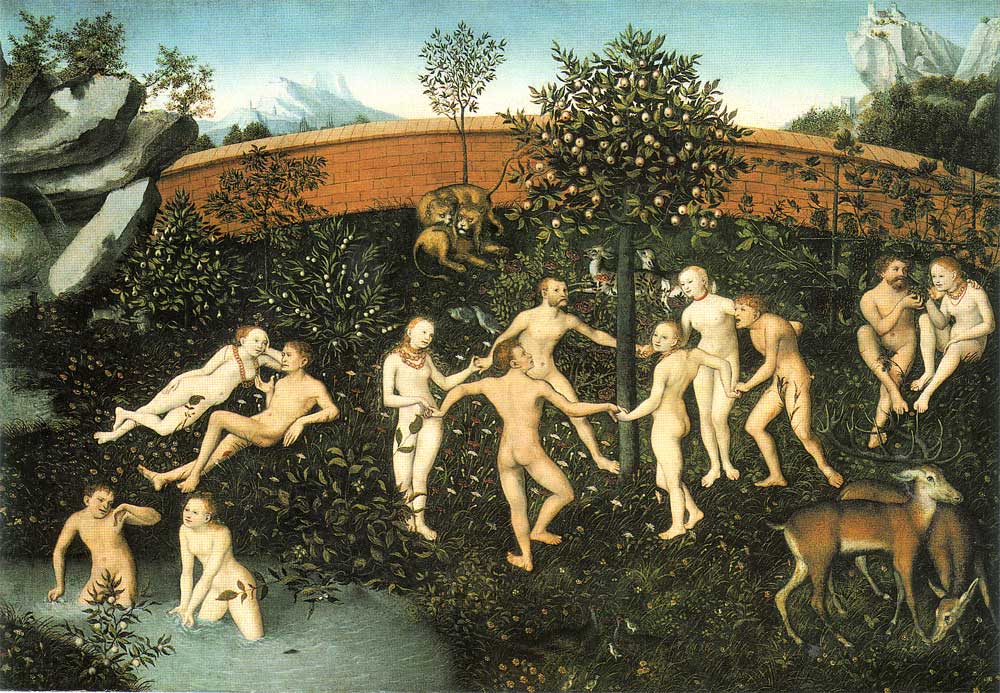
The Silver Age represents a distinct period in classical mythology, chronicling humanity's descent from an idyllic, god-like existence to a more troubled and less virtuous state. Primarily detailed by the ancient Greek poet Hesiod in his Works and Days and later by the Roman poet Ovid in his Metamorphoses, this age follows the Golden Age, a time of perpetual spring and effortless abundance. In the Silver Age, humanity still enjoyed a relatively long life and a degree of innocence, but the seasons became distinct, labor became necessary, and the gods began to withdraw their direct presence. This era serves as a crucial transitional phase, illustrating the gradual erosion of divine favor and the introduction of hardship and moral compromise into the human condition, setting the stage for subsequent, more degenerate ages.
🎵 Origins & History
The concept of successive ages of humanity, marked by a decline in virtue and well-being, finds its most influential ancient articulation in the works of Hesiod and Ovid. Hesiod, writing in the 8th century BCE, described five ages: Gold, Silver, Bronze, Heroic, and Iron. His Silver Age was characterized by a longer lifespan than the Iron Age but significantly shorter and more difficult than the Golden Age. Ovid, in his 1st century BCE epic Metamorphoses, presented a similar four-age model (Gold, Silver, Bronze, Iron), aligning closely with Hesiod's but with subtle differences in emphasis and duration. These narratives emerged from a broader Indo-European tradition of cyclical time and a nostalgic view of a lost, perfect past, often reflecting the societal anxieties and moral concerns of their respective eras.
⚙️ The Mythic Framework
The Silver Age functions as a pivotal, yet still relatively benevolent, stage in the mythological progression of human history. It is the epoch that immediately follows the paradisiacal Golden Age, where humans lived without toil, sorrow, or the fear of death. In the Silver Age, the gods established distinct seasons, requiring humans to work for their sustenance and endure the rigors of winter. While life was still considerably easier than in the subsequent Bronze and Iron Ages, this period marked the introduction of aging and the necessity of care for one's parents. It represents a step away from divine perfection towards a more mortal and challenging existence, a transition where innocence began to wane and the seeds of future conflict were sown.
📊 Key Characteristics
Key characteristics of the Silver Age include a lifespan of approximately one hundred years, during which individuals remained childlike for decades before reaching maturity. This period saw the establishment of distinct seasons, necessitating agricultural labor and shelter against the elements, a stark contrast to the eternal spring of the Golden Age. While humans still enjoyed a degree of peace and were protected by Zeus, they were also compelled to perform rituals and sacrifices to the gods, indicating a growing distance from the divine. This age also witnessed the first instances of human hubris and the beginnings of social stratification, though overt conflict and widespread wickedness had not yet taken hold, distinguishing it from the more brutal ages that followed.
👥 Key Figures & Texts
The primary literary sources for the Silver Age are Hesiod's epic poem Works and Days (circa 750-650 BCE) and Ovid's monumental Metamorphoses (circa 8 CE). Hesiod explicitly details the Silver Age as the second of his five ages, describing its inhabitants as "under their mothers' sway for a hundred years." Ovid, while also placing it second, focuses on the introduction of seasons and the necessity of labor. Other ancient Greek and Roman writers, such as Plato in his Republic, also alluded to similar concepts of declining human ages, though Hesiod and Ovid remain the most authoritative voices on the specific characteristics of the Silver Age within the classical canon.
🌍 Cultural Resonance
The myth of the Silver Age has resonated through Western culture for millennia, serving as a potent metaphor for societal decline and the loss of innocence. Its influence can be seen in art, literature, and philosophy, where the idea of a lost golden past and a subsequent, less perfect era has been a recurring theme. From Renaissance interpretations of classical myths to modern dystopian narratives, the concept of successive ages, each marked by a departure from an earlier ideal, continues to inform our understanding of history and human nature. The metallic progression—gold, silver, bronze, iron—provides a tangible, easily understood framework for this narrative of decay.
⚡ Modern Interpretations
In contemporary discourse, the 'Silver Age' is less frequently invoked as a literal mythological period and more often as a symbolic reference to a time of relative stability and moderate progress that existed before a more recent period of perceived chaos or regression. For instance, some commentators might refer to a 'silver age' of a particular industry or cultural movement, denoting a period of established success and widespread appeal that predates current challenges or fragmentation. This usage often carries a nostalgic undertone, lamenting the loss of that earlier, more harmonious phase, echoing the original myth's sentiment of a receding golden era.
🤔 Debates & Variations
While Hesiod and Ovid provide the foundational accounts, debates exist regarding the precise characteristics and duration of the Silver Age. Some scholars question whether Ovid's version is a direct adaptation or an independent interpretation of a shared tradition. The specific virtues and vices attributed to Silver Age humans can vary subtly between interpretations, particularly concerning the degree of their impiety or their capacity for violence. Furthermore, the placement of the Heroic Age between the Bronze and Iron Ages in Hesiod's schema, absent in Ovid's, highlights different approaches to categorizing humanity's mythic past and its descent.
🔮 Legacy & Influence
The legacy of the Silver Age is deeply embedded in the Western consciousness as a foundational myth of human history. It established a powerful narrative archetype: the fall from grace, the gradual erosion of virtue, and the cyclical nature of time. This archetype has influenced countless subsequent myths, literary works, and philosophical inquiries into the nature of progress and decline. The metallic metaphor itself—gold, silver, bronze, iron—became a shorthand for stages of development and decay, a conceptual tool that has proven remarkably enduring and adaptable across different cultural contexts.
💡 Symbolic Meaning
Symbolically, the Silver Age represents a crucial intermediary stage between divine perfection and human imperfection. Silver, a precious metal but less valuable and lustrous than gold, mirrors this transitional status. It signifies a time when humanity retained some of the blessings of the Golden Age, such as longevity and relative peace, but also began to experience the consequences of mortality, seasonal change, and the need for labor. It is an age of burgeoning complexity and nascent moral ambiguity, a necessary precursor to the more warlike and corrupt ages that would follow, illustrating the gradual distancing of humanity from its divine origins.
Key Facts
- Year
- c. 8th century BCE - 1st century BCE
- Origin
- Ancient Greece
- Category
- mythology
- Type
- concept
Frequently Asked Questions
What is the Silver Age in mythology?
The Silver Age is a mythological epoch described in classical antiquity, primarily by Hesiod and Ovid, that follows the Golden Age. It represents a period where humanity's existence began to decline from an idyllic, god-like state. While still relatively benevolent compared to later ages, it marked the introduction of seasons, the necessity of labor, and the onset of aging, signifying a step away from divine perfection and towards a more mortal and challenging existence.
How does the Silver Age differ from the Golden Age?
The Golden Age, as depicted in myths, was a time of perpetual spring, effortless abundance, and direct communion with the gods, where humans lived in perpetual bliss without toil or sorrow. The Silver Age, by contrast, saw the establishment of distinct seasons, requiring humans to work for their food and shelter. Life spans were shorter, and while still long by later standards, the innocence of the Golden Age was replaced by the awareness of aging and the need to care for one's parents. It represents a significant departure from divine ease towards human hardship.
What are the main characteristics of the Silver Age?
Key characteristics of the Silver Age include a lifespan of around 100 years, with individuals remaining childlike for decades before reaching maturity. The gods established distinct seasons, necessitating agricultural labor and the construction of homes. Humans were required to perform sacrifices to the gods, indicating a growing distance from the divine. While not yet an age of widespread conflict or wickedness, it saw the beginnings of human hubris and the introduction of hardship, setting the stage for the more brutal Bronze and Iron Ages.
Who wrote about the Silver Age?
The most influential ancient accounts of the Silver Age come from two prominent classical poets. Hesiod, an 8th-century BCE Greek poet, described it in his epic poem Works and Days as the second of five ages. Later, the 1st-century BCE Roman poet Ovid included his version of the Silver Age in his epic Metamorphoses, adapting and popularizing the concept for a Roman audience. These texts remain the primary sources for understanding this mythological period.
What does the metal 'silver' symbolize in this context?
The use of metals to denote the ages—gold, silver, bronze, iron—serves as a powerful symbolic progression of decline. Gold, being the most precious and lustrous, represents the perfection of the Golden Age. Silver, while still valuable and beautiful, is less so than gold and can tarnish, symbolizing a lesser state of purity and virtue. It signifies a time that retains some of the former glory but is demonstrably inferior, marking a transition from divine ease to human struggle and the beginnings of moral compromise.
Is the Silver Age still relevant today?
The concept of the Silver Age remains relevant as a potent metaphor for societal decline and the loss of an idealized past. While not literally believed, it informs narratives about progress and regression, nostalgia for simpler times, and the perceived erosion of virtue or stability. In contemporary usage, 'silver age' can refer to a period of established success or widespread appeal in various fields (like technology or culture) that predates current challenges, echoing the myth's sentiment of a receding golden era and a subsequent, less perfect phase.
What age comes after the Silver Age?
According to both Hesiod and Ovid, the age that follows the Silver Age is the Bronze Age. This era is characterized by a further decline in human virtue and the introduction of warfare. Humans in the Bronze Age were described as warlike, prone to violence, and armed with bronze weapons, leading to conflict and destruction. It represents a significant step down from the relative peace and innocence of the Silver Age, moving closer to the corruption and hardship of the final Iron Age.