
Contents
Overview
Social Distortion's story begins in Fullerton, California, in 1978, a crucible of burgeoning punk energy. Emerging from the same Orange County scene that spawned Agent Orange and The Adolescents, the band, initially a quartet, quickly established a reputation for their aggressive sound and rebellious spirit. However, the early 1980s brought significant turbulence. Frontman Mike Ness grappled with severe drug addiction, leading to extended periods of rehabilitation and temporary band hiatuses. This tumultuous period, documented in Ness's own accounts and the band's music, nearly derailed their trajectory. Yet, a pivotal reformation in the mid-1980s, marked by the release of their seminal album Mommy's Little Monster (1983), signaled a shift. The band began to incorporate influences from country music, blues, and early rock and roll, forging a unique sonic identity that would define their enduring appeal.
📊 Key Facts & Numbers
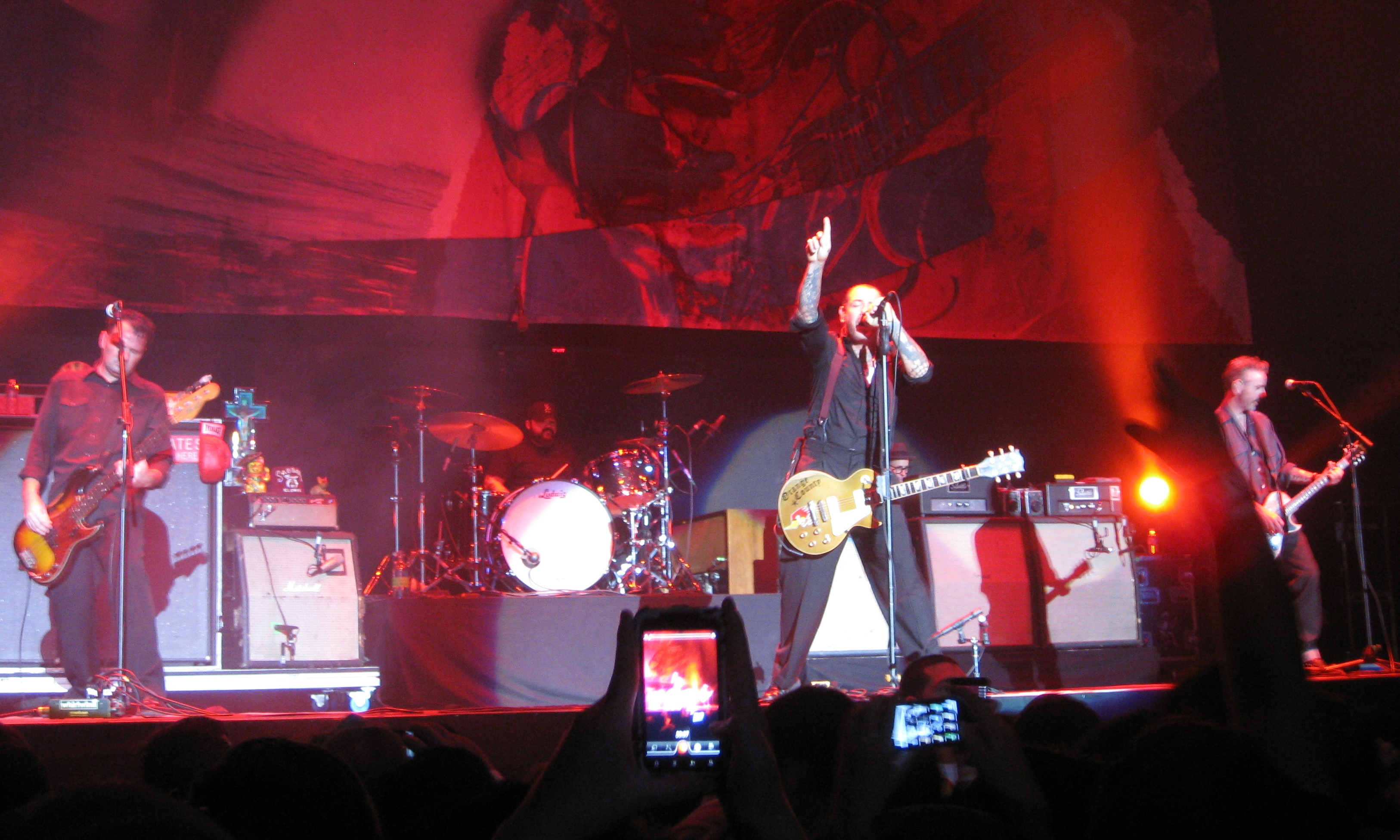
Social Distortion has maintained a remarkable level of cultural energy. Since their inception, they have released nine studio albums. Their live shows consistently draw crowds. The band's iconic logo, the 'Dancing Skeleton' or 'Johnny Two-Shoes,' has become a recognizable symbol, appearing on countless merchandise items and tattoos, demonstrating a deep level of fan engagement. The band's official website, socialdistortion.com, is a hub for information.
👥 Key People & Organizations
The undisputed gravitational center of Social Distortion is Mike Ness, the band's vocalist, guitarist, and primary songwriter. His personal struggles with addiction and legal issues, extensively documented, have become integral to the band's narrative and lyrical themes. Other pivotal figures include guitarist Jonny Wickersham, who joined in 2000 and has been a consistent creative force alongside Ness, and bassist Brent Harding, a member since 2005. Drummer David Hidalgo Jr. solidified the current lineup in 2010. Longtime guitarist Dennis Danell, who tragically passed away in 2000, was instrumental in shaping the band's sound during their most commercially successful period. The band's management, often handled by Ness himself or close associates, has maintained a tight grip on their artistic output and brand identity.
🌍 Cultural Impact & Influence
Social Distortion's influence extends far beyond the punk rock genre, permeating alternative rock, country-punk, and even mainstream rock. Their fusion of punk's raw energy with lyrical introspection and Americana aesthetics paved the way for countless bands seeking to inject more narrative and emotional depth into their music. Mike Ness's distinctive vocal style and lyrical themes of redemption and working-class struggles have been emulated by artists across various genres. The band's iconic imagery, particularly the 'Dancing Skeleton,' has become a cultural touchstone, appearing in tattoos, fashion, and art, signifying a deep connection with their fanbase. Their enduring appeal is a testament to their ability to articulate universal themes of hardship and perseverance, resonating with a diverse audience that spans generations and subcultures.
⚡ Current State & Latest Developments
As of 2024, Social Distortion continues to be an active touring and recording entity. The band recently released their first new music in over a decade with the single "The Winds of Time" in 2022, hinting at a potential new album. They embarked on a significant North American tour in late 2023, playing to sold-out crowds and reaffirming their live prowess. Mike Ness has also been vocal about his ongoing commitment to sobriety and his dedication to the band's legacy. While no official release date has been announced for a new full-length album, the consistent touring and recent single suggest continued creative output from the veteran rockers. The band's official website remains the primary hub for tour dates and merchandise.
🤔 Controversies & Debates
The most persistent controversy surrounding Social Distortion centers on Mike Ness's past struggles with drug addiction and legal entanglements. While Ness has openly discussed these issues and presented his journey as one of recovery and redemption, some critics and former associates have questioned the romanticization of this narrative within the band's lore. Another point of contention, though less frequent, involves the significant lineup changes over the band's history, with Ness remaining the sole original member. This has led to debates among fans about the 'true' essence of Social Distortion, though Ness's songwriting and vocal presence have largely anchored the band's identity. The band's consistent touring schedule, while appreciated by fans, also occasionally draws criticism for perceived repetition in setlists or a lack of new material.
🔮 Future Outlook & Predictions
The future for Social Distortion appears to be one of continued legacy building and, potentially, new creative output. With Mike Ness's sustained sobriety and the solidified lineup featuring Jonny Wickersham and Brent Harding, the band has a strong foundation for future endeavors. A new studio album, following the 2022 single "The Winds of Time," seems increasingly probable, though the exact timeline remains uncertain. Given their enduring popularity, major tours are likely to continue, solidifying their status as a legacy act within the rock scene. The band's influence on younger generations of musicians suggests their sound and lyrical themes will continue to inspire, ensuring their music remains relevant for years to come. The question remains whether they can recapture the raw urgency of their early work while maintaining their mature, country-infused sound.
💡 Practical Applications
Social Distortion's music and ethos find practical application in various spheres. Their songs, rich with themes of resilience, overcoming adversity, and social commentary, serve as anthems for individuals navigating personal struggles or societal challenges. Mike Ness's journey from addiction to sobriety is often cited as an inspirational narrative, providing hope and a model for recovery. The band's distinctive aesthetic, particularly the 'Dancing Skeleton' logo, has been adopted by fashion brands and tattoo artists, demonstrating its cultural penetration. Furthermore, their consistent touring and engagement with fans highlight effective strategies for maintaining relevance and building a loyal community around a musical act over several decades. Their music is frequently featured in films and television shows seeking to evoke a sense of gritty realism or rebellious spirit.
Key Facts
- Category
- culture
- Type
- topic