
Contents
Overview
Solar power, also known as solar electricity, is the conversion of energy from sunlight into electricity, either directly using photovoltaics (PV) or indirectly using concentrated solar power. This technology has been around since the 1950s, with scientists like Albert Einstein and companies like Bell Labs contributing to its development. Today, companies like Tesla, Google, and Apple are investing heavily in solar power, with Tesla's SolarCity division being a leading provider of solar panels. According to the International Energy Agency (IEA), solar power accounts for over 3% of global electricity generation, with countries like China, the United States, and Germany leading the way in adoption.
⚙️ How Solar Panels Work
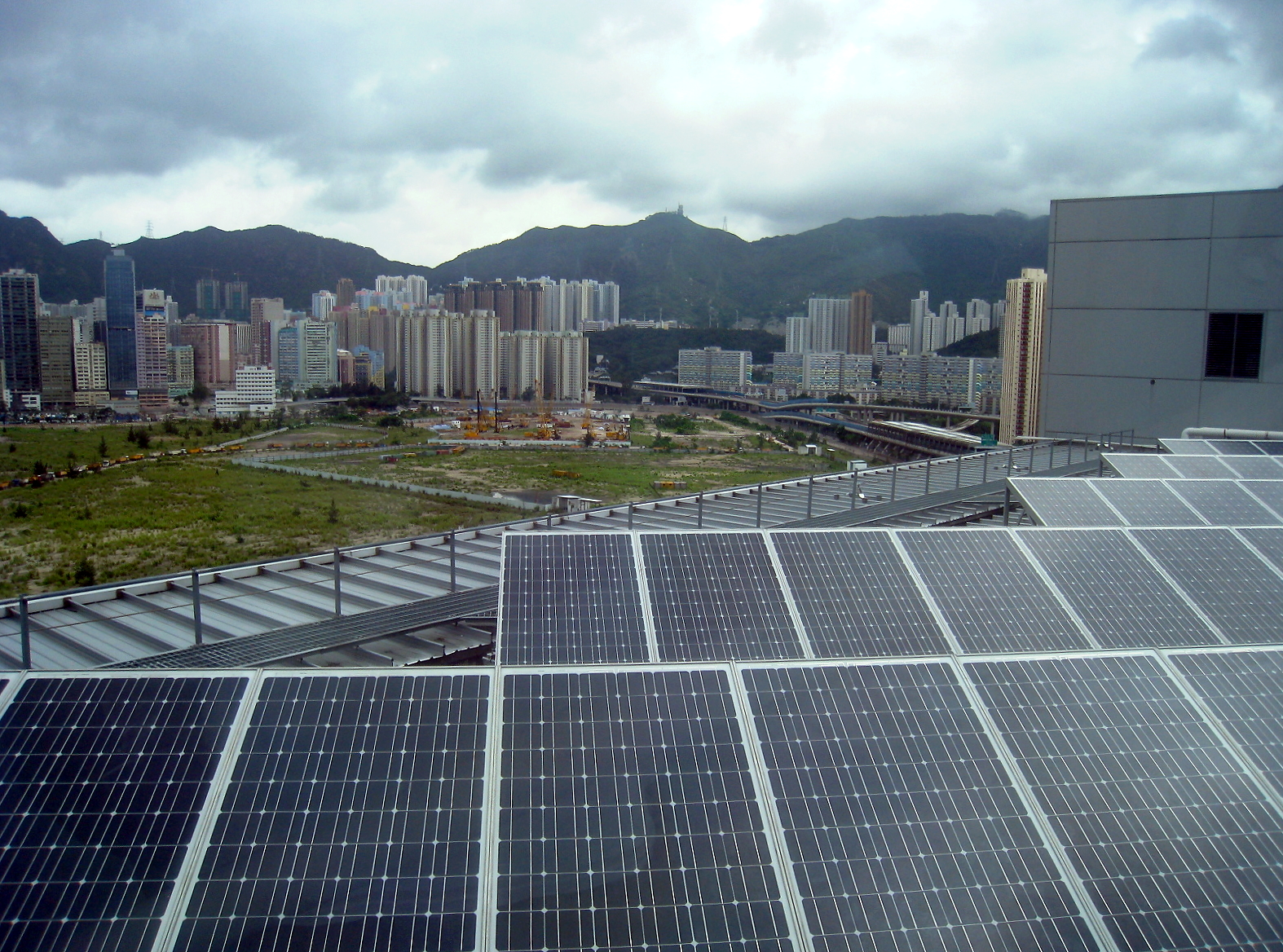
Photovoltaics (PV) were initially solely used as a source of electricity for small and medium-sized applications, from the calculator powered by a single solar cell to remote homes powered by an off-grid rooftop PV system. However, with the advancement of technology, PV systems have become more efficient and cost-effective, making them a viable option for large-scale power generation. Companies like SunPower and First Solar are leading the way in developing high-efficiency solar panels, with the former's X-Series panels boasting an efficiency of over 22%. Additionally, researchers at institutions like MIT and Stanford University are working on developing new materials and technologies to further improve the efficiency of solar panels.
🌍 Global Adoption and Impact
Concentrated solar power systems use lenses or mirrors and solar tracking systems to focus a large area of sunlight to a hot spot, often to drive a steam turbine. This technology has been used in large-scale power plants, such as the Ivanpah Solar Electric Generating System in California, which was developed by Google, BrightSource Energy, and NRG Energy. The plant uses over 170,000 mirrors to focus sunlight onto a tower, generating enough electricity to power over 140,000 homes. Similarly, the Noor-Ouarzazate solar power station in Morocco, developed by the Moroccan Agency for Solar Energy (MASEN), uses a combination of PV and concentrated solar power to generate electricity. According to the World Bank, the cost of concentrated solar power has fallen by over 70% in the last decade, making it a more viable option for large-scale power generation.
🔮 Future of Solar Energy
As the cost of solar panels continues to fall, grid-connected solar PV systems have become increasingly popular, with millions of rooftop installations and gigawatt-scale solar parks being developed around the world. Companies like Amazon and Microsoft are investing in solar power to reduce their carbon footprint, with Amazon's solar panels generating enough electricity to power over 50% of its data centers. Additionally, countries like India and Australia are promoting the adoption of solar power through policies like net metering and tax incentives. According to the National Renewable Energy Laboratory (NREL), the global solar market is expected to continue growing, with solar power accounting for over 20% of global electricity generation by 2030.
Key Facts
- Year
- 1950s
- Origin
- United States
- Category
- science
- Type
- technology
Frequently Asked Questions
What is solar power?
Solar power is the conversion of energy from sunlight into electricity, either directly using photovoltaics or indirectly using concentrated solar power.
How does solar power work?
Solar power works by using photovoltaic cells to convert sunlight into electricity, or by using concentrated solar power systems to focus sunlight onto a heat exchanger to generate electricity.
What are the benefits of solar power?
The benefits of solar power include reduced greenhouse gas emissions, lower energy costs, and increased energy independence.
What are the challenges facing the solar power industry?
The challenges facing the solar power industry include high upfront costs, energy storage and grid integration issues, and policy and regulatory frameworks that can hinder adoption.
What is the future of solar power?
The future of solar power is expected to be bright, with the cost of solar panels continuing to fall and the technology becoming more efficient and widely adopted. According to the International Energy Agency (IEA), solar power could account for over 20% of global electricity generation by 2030.