
Contents
Overview
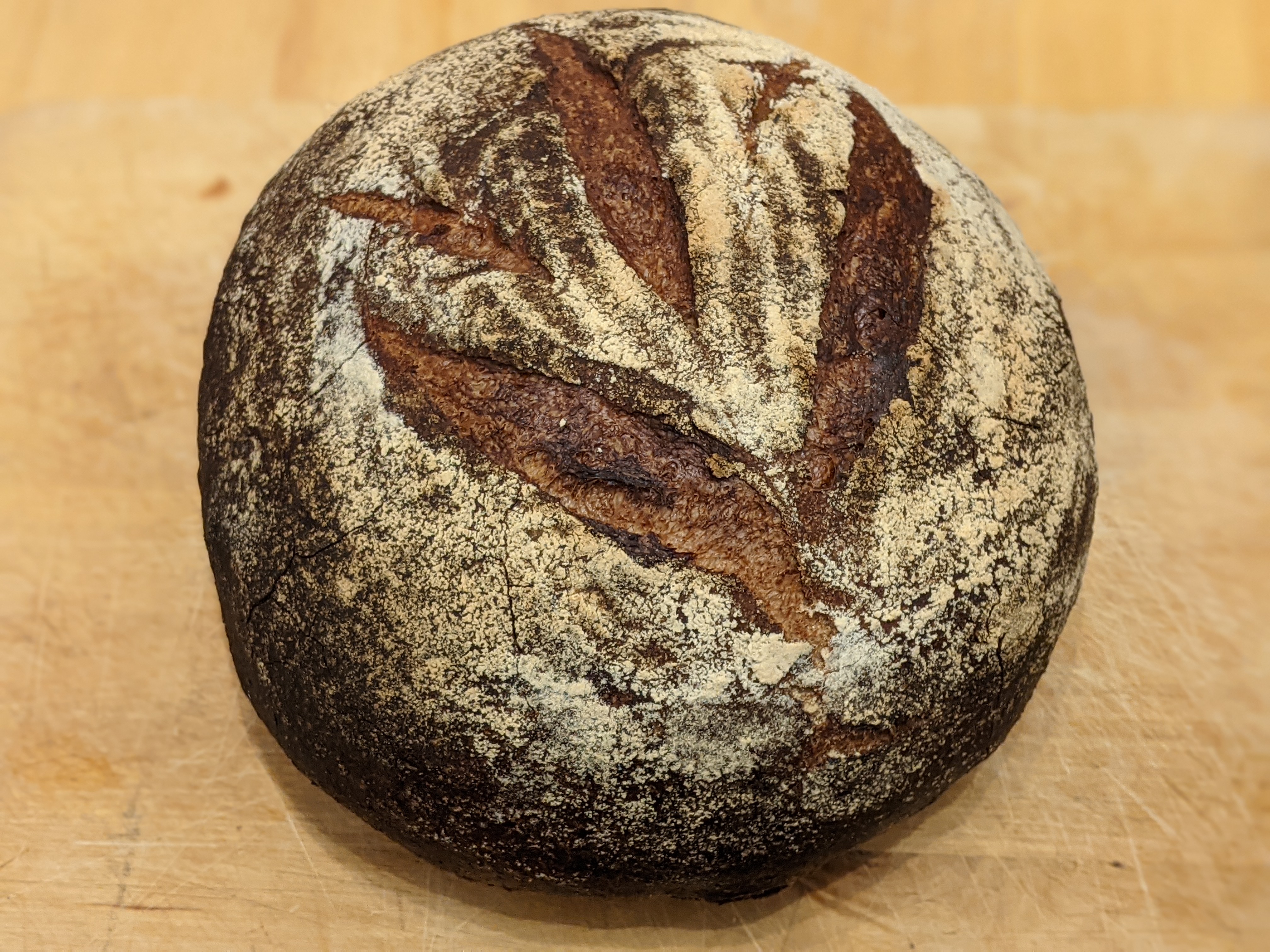
Sourdough tools encompass a range of specialized equipment designed to aid in the creation of naturally leavened bread. From the humble beginnings of a jar for a starter to the precision of a digital scale, these tools facilitate the complex fermentation process driven by wild yeast and bacteria. Key items include proofing baskets (bannetons) for shaping and oven spring, Dutch ovens for creating a steamy environment, and lame or razor blades for scoring the dough's surface. The resurgence of home baking, particularly during the COVID-19 pandemic and its subsequent 'pandemic baking' phenomenon, significantly boosted interest in these tools, transforming them from niche items to mainstream kitchen staples. Understanding and utilizing the right tools is crucial for achieving the characteristic tang, open crumb, and crisp crust of artisanal sourdough.
🎵 Origins & History
The history of sourdough tools is intrinsically linked to the history of bread-making itself, stretching back millennia. Proofing baskets, or bannetons, are believed to have originated in Europe, possibly with early bakers using woven reeds or straw to shape dough and impart a distinctive pattern. The digital age has further refined these tools, with the advent of precise digital scales and temperature probes, making the once-mysterious art of sourdough more accessible to home bakers.
⚙️ How It Works
Sourdough tools work in concert to manage the delicate process of wild yeast fermentation and baking. A starter jar, often a simple glass container, is crucial for cultivating and maintaining the symbiotic culture of yeast and bacteria. A digital scale is paramount for accurate hydration levels, as the ratio of flour to water dictates the starter's activity and the dough's final texture. Proofing baskets, typically made of rattan or wicker, provide structural support to the dough during its final rise, allowing for a controlled fermentation and contributing to the bread's oven spring and distinctive ringed crust. A Dutch oven or similar lidded pot traps steam released from the dough, mimicking the humid environment of a professional baker's oven, which is essential for a thin, crisp crust and maximum rise before the crust sets. Finally, a lame or sharp razor blade is used to score the dough's surface, directing the expansion during baking and creating decorative patterns.
📊 Key Facts & Numbers
The global market for baking tools, including specialized sourdough equipment, has seen significant growth. The demand for bread-making kits, often including a starter, banneton, and lame, surged during the initial phase of the COVID-19 pandemic. Online sales of baking tools increased significantly between 2020 and 2023, indicating a sustained interest beyond the initial lockdown surge.
👥 Key People & Organizations
While no single individual 'invented' sourdough tools, several figures and organizations have been instrumental in popularizing them. Professional bakers and cookbook authors like Chad Robertson, founder of Tartine Bakery, have championed specific techniques and tool usage, influencing a generation of home bakers through books like 'Tartine Bread'. Companies such as King Arthur Baking Company have been pivotal in distributing high-quality baking tools and educational resources to a wide audience. The rise of online communities like Reddit's r/sourdough subreddit, with over 1.5 million members, has fostered a collaborative environment where bakers share tips, product recommendations, and troubleshooting advice, indirectly shaping the demand for and evolution of specific tools. Manufacturers like Lodge Cast Iron have also played a role by producing accessible and durable Dutch ovens that have become a go-to for home sourdough bakers.
🌍 Cultural Impact & Influence
Sourdough tools have transcended their utilitarian purpose to become symbols of a broader cultural shift towards artisanal food production and mindful consumption. The aesthetic appeal of a perfectly shaped loaf, often enhanced by the patterns from a banneton or the scoring from a lame, has fueled a visual culture on platforms like Instagram and Pinterest, where #sourdough garners billions of tags. These tools empower individuals to engage in a time-honored craft, fostering a sense of accomplishment and connection to food. The popularity of sourdough baking, amplified by the pandemic, has also spurred a demand for aesthetically pleasing and functional kitchenware, influencing the design of everything from starter jars to baking steels. This cultural resonance has elevated sourdough tools from mere implements to objects of desire for many home cooks.
⚡ Current State & Latest Developments
The current landscape of sourdough tools is marked by innovation and increasing specialization. While the core tools like bannetons and Dutch ovens remain essential, new products are emerging. These include specialized sourdough scoring tools with ergonomic designs, reusable silicone baking mats for easier cleanup, and advanced fermentation vessels with temperature control. The integration of technology is also growing, with smart ovens offering steam injection functions and digital thermometers providing real-time internal temperature readings. Furthermore, there's a growing emphasis on sustainable materials, with more bakers seeking tools made from recycled or eco-friendly sources. The market continues to be driven by both seasoned bakers seeking incremental improvements and newcomers inspired by the ongoing popularity of artisanal bread.
🤔 Controversies & Debates
The primary controversy surrounding sourdough tools often centers on necessity versus luxury. Critics argue that many specialized tools are not strictly required for successful sourdough baking, pointing to historical methods that relied on simpler implements. For instance, a simple bowl and a baking sheet can suffice for proofing and baking, albeit with less predictable results. The high cost of premium tools, particularly cast-iron Dutch ovens from brands like Le Creuset, is another point of contention, with some suggesting that these prices are inflated by branding rather than inherent functional superiority. Debates also arise regarding the 'best' type of banneton (rattan vs. linen-lined) or the most effective scoring tool, with personal preference and specific dough types often dictating outcomes, leading to passionate discussions within online baking communities.
🔮 Future Outlook & Predictions
The future of sourdough tools is likely to be shaped by continued technological integration and a focus on user experience. We can anticipate more 'smart' baking equipment that offers precise temperature and humidity control, potentially with app integration for remote monitoring and recipe guidance. Expect further refinement in materials science, leading to lighter, more durable, and more sustainable baking surfaces and vessels. The trend towards personalization will also likely extend to tools, with customizable scoring blades or unique banneton designs becoming more prevalent. As sourdough baking continues to evolve, so too will the tools that support it, aiming to make the process more accessible, consistent, and enjoyable for an ever-wider audience, potentially reaching a global adoption rate of 25% of households by 2030.
💡 Practical Applications
Sourdough tools have a wide array of practical applications, primarily centered around home baking but extending into professional settings. The most common application is the production of artisanal sourdough bread, enabling home bakers to achieve results previously only seen in bakeries. Beyond bread, these tools can be used for other naturally leavened baked goods like pizza dough, focaccia, and even some pastries. A Dutch oven, for example, is a versatile piece of cookware useful for stews, roasts, and soups, extending its utility beyond baking. Bannetons can also be used to shape other doughs, and a bench scraper is invaluable for general kitchen tasks like portioning dough or cleaning surfaces. The precision offered by digital scales is applicable to all forms of baking and cooking where accurate ingredient measurement is critical.
Key Facts
- Category
- aesthetics
- Type
- topic