
Contents
Overview
The Puebloan cultures, including the Hopi, Zuni, and Taos, developed sophisticated agricultural societies, building impressive cliff dwellings and multi-story adobe structures like those found at Mesa Verde and Chaco Canyon. Spanish explorers, led by figures like Francisco Vázquez de Coronado in the 1540s, arrived in the 16th century, establishing missions and introducing new technologies and livestock, fundamentally altering the region's trajectory. The area became part of New Spain and later Mexico, with Santa Fe established as a provincial capital in 1610. The United States' territorial ambitions culminated in the Mexican-American War (1846-1848), resulting in the cession of vast territories through the Treaty of Guadalupe Hidalgo and the subsequent Gadsden Purchase in 1854, solidifying the modern boundaries of the American Southwest.
⚙️ Defining the Southwest
Defining the Southwest is less an exact science and more a cultural consensus, a fluid boundary drawn by climate, geology, and history. While Arizona and New Mexico are universally considered core states, the inclusion of parts of California (especially the Mojave Desert region), Colorado (the Four Corners area), Nevada (southern Nevada), Oklahoma (panhandle), Texas (West Texas), and Utah (southern Utah) is common. This broad definition encompasses diverse ecosystems, from the scorching Mojave Desert and the stark beauty of the Sonoran Desert to the towering peaks of the Rocky Mountains in Colorado and the vast plains of West Texas. The region is characterized by its arid to semi-arid climate, with low precipitation and intense sunshine, influencing everything from its unique flora and fauna to its architectural styles and water management challenges. The cultural landscape is equally varied, a blend of ancient Native American traditions, centuries of Hispanic influence, and the more recent influx of Anglo settlers and diverse immigrant communities.
📊 Key Facts & Numbers
The Southwest is a land of superlatives and stark realities. It boasts the highest average elevation of any U.S. region, with over 50 peaks exceeding 14,000 feet. The region receives an average of 300 days of sunshine annually, contributing to its status as a major solar energy producer, with installations like the Ivanpah Solar Electric Generating System in California generating over 1,000 megawatts. Water is a critical resource, with the Colorado River basin supplying water to an estimated 40 million people across seven states and Mexico, though it currently operates at less than 40% of its historical flow. The population of the greater Southwest metropolitan areas exceeds 20 million, with Phoenix alone housing over 1.6 million residents within its city limits. Tourism is a massive economic driver, generating an estimated $70 billion annually across the region, drawing visitors to national parks like Grand Canyon and Zion.
👥 Key People & Organizations
The human history of the Southwest is a narrative of resilience and adaptation, shaped by individuals and groups who navigated its challenging environment and cultural crossroads. Key figures include Pueblo leaders who resisted Spanish colonization, such as Popé, who led the Pueblo Revolt of 1680 against Spanish rule. Spanish colonial figures like Juan de Oñate established early settlements and governance. Later, figures like Kit Carson and Billy the Kid became archetypes of the Wild West era. In the 20th century, artists like Georgia O'Keeffe found inspiration in the desert landscapes, while scientists like J. Robert Oppenheimer led groundbreaking work at Los Alamos National Laboratory. Organizations such as the National Park Service work to preserve its natural and historical treasures, while tribal governments like the Navajo Nation continue to be vital political and cultural entities, managing vast territories and resources.
🌍 Cultural Impact & Influence
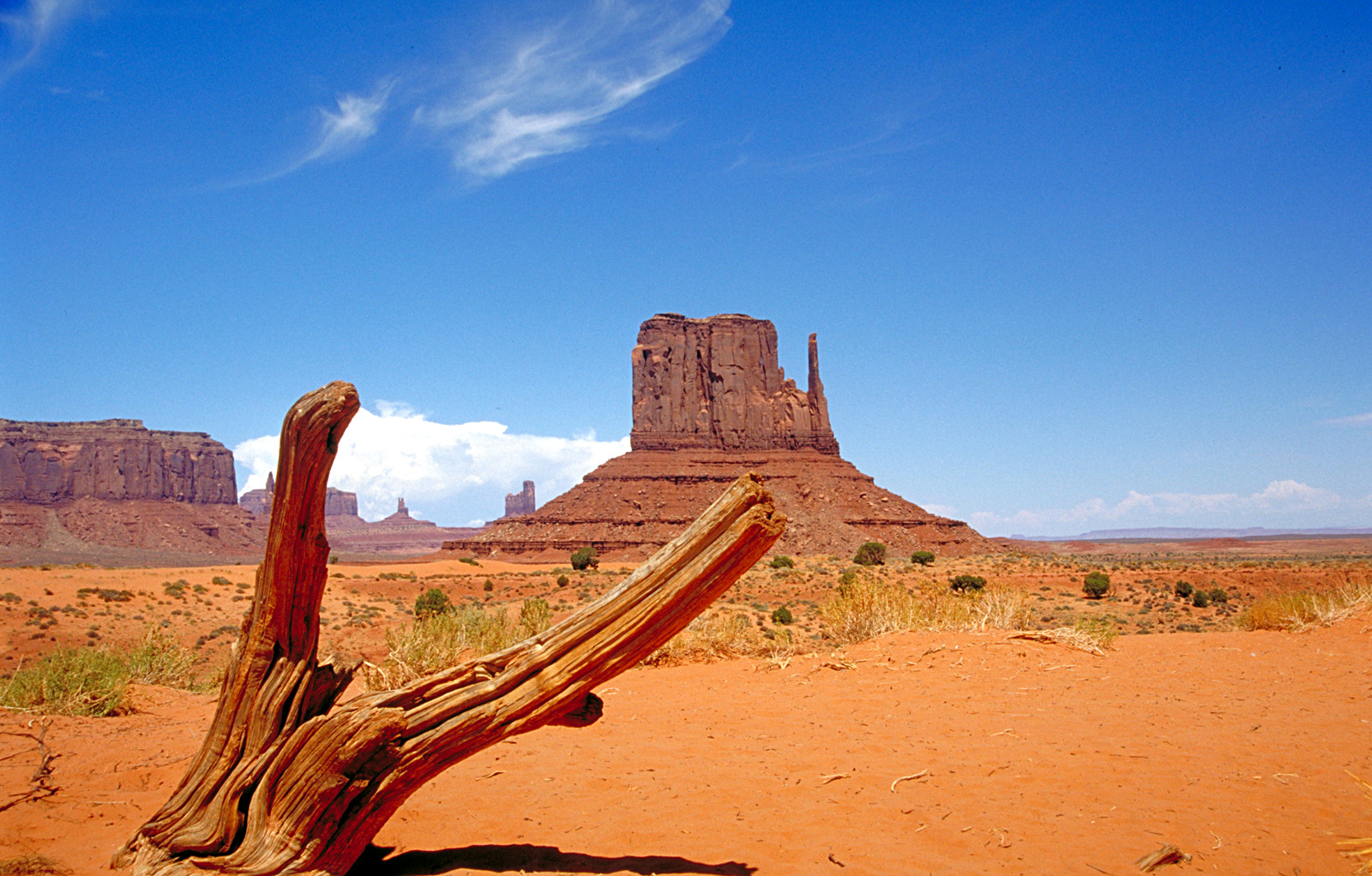
The Southwest has profoundly shaped American culture, particularly through its iconic imagery and enduring narratives. Hollywood's cinematic portrayal of the region, from classic Westerns featuring rugged cowboys and vast, empty landscapes to modern films set in neon-lit Las Vegas or the stark beauty of Monument Valley, has cemented its place in the global imagination. The region's distinctive architecture, characterized by adobe structures and Spanish colonial influences, has inspired design trends far beyond its borders. The music scene, a fusion of Native American chants, Mexican folk traditions, country, and blues, has produced unique regional sounds. Furthermore, the Southwest's spiritual and philosophical resonance, particularly its connection to the natural world and Indigenous cosmology, has attracted spiritual seekers and influenced New Age movements. The distinct flavors of Southwestern cuisine, with its emphasis on chilies, corn, and beans, have become a beloved part of American culinary identity, popularized by chefs like Pati Jinich and restaurants across the country.
⚡ Current State & Latest Developments
The Southwest in 2024 is a region grappling with both opportunity and significant challenges. Rapid population growth, particularly in metropolitan areas like Phoenix and Las Vegas, is straining resources, especially water. The Colorado River Compact remains a critical point of negotiation as drought conditions persist, forcing states to confront unprecedented water restrictions. Simultaneously, the region is emerging as a hub for renewable energy, with substantial investments in solar and wind power projects aiming to meet growing energy demands sustainably. Tech industries are expanding, with cities like Phoenix and Austin (often considered on the eastern fringe of the Southwest) attracting significant investment in semiconductor manufacturing and software development. The ongoing impacts of climate change, including increased wildfire risk and extreme heat events, are also shaping policy and daily life, prompting innovative adaptation strategies from communities and governments alike.
🤔 Controversies & Debates
The definition of the Southwest itself is a perennial debate, with scholars and residents often disagreeing on precise boundaries and cultural inclusions. Water rights and allocation, particularly concerning the Colorado River and its tributaries, represent a deeply contentious issue, pitting agricultural, urban, and environmental interests against each other. The legacy of colonialism and its impact on Indigenous populations remains a sensitive and critical area of discussion, with ongoing efforts towards reconciliation and tribal sovereignty. Furthermore, the rapid development and population boom in many areas raise concerns about gentrification, displacement of long-term residents, and the preservation of the region's unique cultural heritage against the tide of homogenization. The economic disparities between booming urban centers and struggling rural communities also present a significant point of tension.
🔮 Future Outlook & Predictions
The future of the Southwest will undoubtedly be shaped by its response to climate change and resource management. Experts predict continued population growth, particularly in urban corridors, necessitating innovative urban planning and infrastructure development. The transition to renewable energy sources is expected to accelerate, potentially positioning the Southwest as a national leader in clean energy production, with significant economic implications. Water conservation technologies and strategies, including advanced desalination and water recycl
Key Facts
- Category
- place
- Type
- topic