
Contents
Overview
Storyboarding is the art and practice of pre-visualizing a narrative through a sequence of static images, akin to a comic strip. These panels, often accompanied by notes on action, dialogue, and camera movement, serve as a crucial roadmap for filmmakers, animators, and game developers, bridging the gap between script and screen. It's an indispensable tool for planning shots, pacing, and visual storytelling, allowing for revisions and problem-solving before costly production begins. Today, storyboarding spans film, television, advertising, video games, and even user interface design, with digital tools increasingly augmenting traditional hand-drawn methods.
🎵 Origins & History
While animation studios had long used sequential drawings to plan shots, Disney's artists formalized the process. They began sketching out entire sequences on large sheets of paper, laying them out on bulletin boards to visualize the flow of the narrative. This method allowed directors to see the film before it was animated, identify pacing issues, and refine character performances. Precursors can be found in theatrical production sketches and early comic strips, but Disney's systematic approach cemented storyboarding as a standard pre-production technique, significantly impacting the efficiency and artistic control of animated filmmaking.
⚙️ How It Works
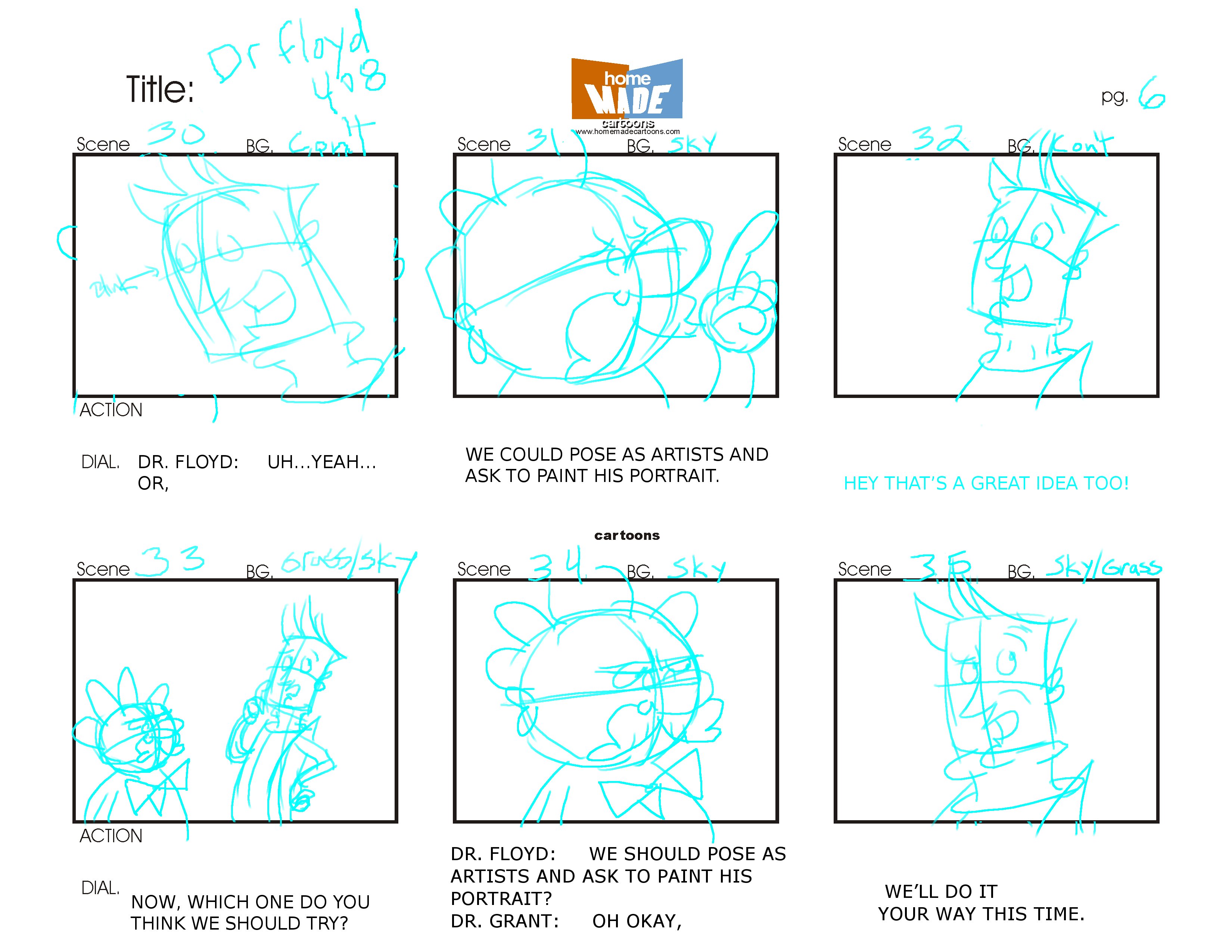
A storyboard is essentially a comic strip version of a film, animation, or game. Each panel represents a single shot or key moment, depicting the visual composition, character placement, and basic action. Crucially, storyboards are arranged chronologically, mirroring the intended sequence of the final product. Accompanying each panel are annotations detailing dialogue, sound effects, camera angles (e.g., wide shot, close-up), and camera movement (e.g., pan, zoom). This visual script allows directors, cinematographers, and animators to communicate a shared vision, ensuring everyone understands the intended look and feel of each scene before principal photography or animation begins.
📊 Key Facts & Numbers
The global market for pre-production services, including storyboarding, is estimated to be worth billions annually, though precise figures for storyboarding alone are difficult to isolate. The average time spent storyboarding a single feature film can range from 3 to 9 months, involving teams of 5 to 15 storyboard artists. Digital storyboarding software has seen adoption rates climb to over 80% in major studios, with many projects now relying on cloud-based collaboration platforms.
👥 Key People & Organizations
Key figures in the development and popularization of storyboarding include Web Smith, who is credited with formalizing the process at Walt Disney Productions. Harold Perrineau, an early Disney animator, also played a role in refining the technique. Directors like Alfred Hitchcock were early adopters in live-action filmmaking, famously storyboarding sequences for films such as The Man Who Knew Too Much (1956). Today, organizations like the Society of Illustrators and various animation guilds recognize the importance of storyboard artists. Prominent studios like Pixar Animation Studios and DreamWorks Animation continue to rely heavily on their storyboard departments.
🌍 Cultural Impact & Influence
Storyboarding has profoundly influenced visual storytelling across media. It democratized the pre-visualization process, moving it from a niche animation technique to a universal pre-production standard. Its influence is evident in the sequential art of comic books, the precise shot design in modern cinema, and the interactive flow of video games. The ability to meticulously plan shots has enabled directors to achieve greater visual coherence and narrative impact, shaping audience expectations for cinematic language. Furthermore, the rise of digital tools has made storyboarding more accessible, allowing independent creators and smaller studios to employ sophisticated pre-visualization techniques previously reserved for major productions, impacting the overall aesthetic of digital content.
⚡ Current State & Latest Developments
Storyboarding is increasingly integrated with virtual reality (VR) and augmented reality (AR) technologies. Artists can now create 3D storyboards, allowing directors to 'walk through' virtual sets and experience camera angles in a more immersive way. Software like Procreate and Adobe Photoshop remain popular for 2D work, while specialized platforms such as Toon Boom Storyboard Pro and Procreate Dreams offer advanced features for animation and motion graphics. The trend is towards more dynamic, interactive storyboards that can incorporate basic animation and real-time feedback loops, streamlining the collaboration between creative teams working remotely across different continents.
🤔 Controversies & Debates
A persistent debate revolves around the level of detail required in a storyboard. Some argue for highly polished, near-final art to convey precise intent, while others advocate for rougher, faster sketches that prioritize ideas over aesthetics, allowing for greater flexibility. Another point of contention is the role of the storyboard artist versus the director; in some productions, directors heavily dictate every panel, while in others, artists are given significant creative freedom to interpret the script visually. The increasing use of AI in generating visual concepts also raises questions about the future role and value of human storyboard artists, sparking discussions about automation versus human creativity in the pre-production pipeline.
🔮 Future Outlook & Predictions
The future of storyboarding points towards greater integration with real-time rendering engines used in game development and virtual production. Expect storyboards to become more interactive, potentially incorporating animated elements and basic physics simulations to better convey motion and timing. AI-powered concept generation tools, like those developed by Midjourney and Stability AI, may automate some of the initial ideation stages, freeing up human artists to focus on refining narrative flow and complex sequences. Furthermore, as VR and AR technologies mature, storyboarding within immersive environments will likely become a standard practice, offering unprecedented levels of spatial understanding and directorial control before any physical production begins.
💡 Practical Applications
Storyboarding is a cornerstone of pre-production in numerous creative industries. In film production, it guides cinematography and editing for narrative features and documentaries. For animation, it's essential for planning character movement and scene construction. In video game development, storyboards visualize gameplay sequences, cutscenes, and user interface flows. Advertisers use storyboards to plan commercials, ensuring visual impact and message clarity within tight time constraints. Even in UX design, storyboards map out user journeys and interactions with digital products, helping designers anticipate user needs and optimize the interface before coding begins.
Key Facts
- Category
- aesthetics
- Type
- concept